




































Why Regular Liver Checkups Matter: Benefits, Tests, and Early Detection
Discover why regular liver checkups matter, which liver tests may be recommended, who is at risk, and when to consult a liver specialist in Ranchi.
Introduction
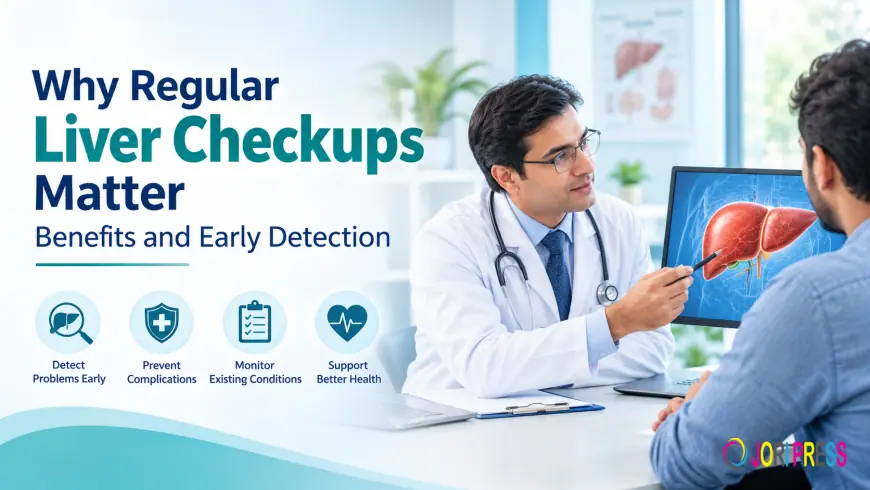
The liver is one of the most important organs in the human body. It helps digest fats, processes nutrients, stores energy, produces essential proteins, and removes harmful substances from the blood. Maintaining good liver health is important for overall well-being, yet liver problems can sometimes develop without noticeable symptoms.
Many people visit a doctor only after experiencing discomfort, fatigue, or other health concerns. However, some liver conditions, including fatty liver disease and chronic viral hepatitis, may remain unnoticed during their early stages. Regular liver checkups, when appropriate, can help identify potential problems and guide timely medical care.
Understanding the importance of liver health assessments can help people make informed decisions about preventive healthcare.
What Is a Liver Checkup?
A liver checkup is a medical assessment used to evaluate liver health and identify possible signs of liver disease. The type of assessment depends on a person's age, medical history, symptoms, and risk factors.
A doctor may review lifestyle habits, existing medical conditions, medications, and family history before recommending suitable investigations.
Common assessments may include liver blood tests, an abdominal ultrasound, and additional tests when clinically necessary. Not everyone requires every test, and a healthcare professional can determine which investigations are appropriate.
Why Are Regular Liver Checkups Important?
1. Early Detection of Liver Problems
One of the main benefits of appropriate liver checkups is the possibility of identifying abnormalities before significant symptoms develop.
Conditions such as fatty liver disease and chronic hepatitis may progress without obvious warning signs. Medical evaluation can help detect potential concerns and determine whether further testing or monitoring is needed.
Early detection does not guarantee that every liver condition can be prevented, but it can create opportunities for timely intervention.
2. Identifying Fatty Liver Disease
Fatty liver disease is associated with the accumulation of fat in liver cells. Metabolic risk factors, including obesity, type 2 diabetes, high cholesterol, and high blood pressure, can increase the likelihood of developing metabolic dysfunction-associated steatotic liver disease (MASLD).
Some people with fatty liver have no symptoms. Depending on their risk factors and clinical findings, a doctor may recommend blood tests, imaging, or other assessments.
Lifestyle changes and management of related health conditions can help reduce risks and improve liver health in many patients.
3. Monitoring Existing Liver Conditions
People who have already been diagnosed with liver disease may need regular follow-up appointments and investigations.
Monitoring can help doctors assess changes in liver function, review treatment response, identify complications, and adjust the care plan when necessary.
The frequency of follow-up depends on the type and severity of the condition. Patients should follow the schedule recommended by their treating healthcare professional.
4. Understanding the Effects of Lifestyle Habits
Diet, physical activity, alcohol consumption, medications, and certain supplements can influence liver health.
A liver health assessment gives patients an opportunity to discuss their habits with a healthcare professional. Based on individual findings, the doctor may recommend changes to diet, exercise, weight management, alcohol use, or medication practices.
Avoid using unverified liver detox products, as some supplements can cause liver injury.
5. Assessing Risk Factors for Liver Disease
Certain medical conditions and exposures can increase the risk of liver problems.
These include diabetes, obesity, high cholesterol, a history of hepatitis infection, certain inherited conditions, and harmful alcohol use.
People with these risk factors may benefit from discussing appropriate liver assessment with their doctor. Screening recommendations should be individualized rather than based on a fixed testing schedule for everyone.
Which Tests Are Used to Check Liver Health?
The tests recommended during a liver checkup depend on the patient's symptoms, medical history, and clinical examination.
Liver Function Blood Tests
Blood tests may measure enzymes such as ALT and AST, bilirubin, and other markers related to liver health. Additional measurements, such as albumin and clotting tests, may be used to assess particular aspects of liver function.
Abnormal results do not always indicate serious liver disease, and normal results do not rule out every liver condition. Results must be interpreted in the context of the patient's overall health.
Abdominal Ultrasound
An ultrasound uses sound waves to produce images of internal organs. It may help identify fat accumulation in the liver, structural changes, or certain abnormalities involving the liver and gallbladder.
Additional imaging may be recommended if the initial assessment indicates a need for further investigation.
Hepatitis Testing
Depending on medical history and risk factors, a doctor may recommend testing for hepatitis B or hepatitis C.
Identifying these infections can help patients access appropriate treatment, monitoring, and preventive care.
Additional Investigations
Some patients may need specialized blood tests, non-invasive assessments of liver stiffness, or other investigations. These are selected according to the suspected condition and initial findings.
Who Should Consider a Liver Health Assessment?
A person may benefit from discussing liver health evaluation with a doctor if they:
-
Have diabetes, obesity, or other metabolic risk factors.
-
Have previously been diagnosed with fatty liver or another liver condition.
-
Have a history of hepatitis infection or relevant exposure.
-
Consume alcohol at levels that may affect their health.
-
Have a family history of certain inherited liver conditions.
-
Experience persistent or unexplained symptoms that could be associated with liver disease.
Symptoms such as yellowing of the eyes or skin, persistent abdominal discomfort, unexplained itching, or unusual changes in urine or stool should not be ignored.
New jaundice requires prompt medical assessment. Severe abdominal pain, confusion, vomiting blood, or black stools require urgent medical attention.
How Can You Maintain Better Liver Health?
Regular medical care works best alongside healthy daily habits.
Eat a balanced diet: Include vegetables, fruits, whole grains, and suitable protein sources. Limit excessive intake of highly processed foods and sugary drinks.
Stay physically active: Regular exercise can support metabolic health and help manage risk factors associated with fatty liver.
Maintain a healthy weight: If you are overweight, gradual and sustainable weight management may help improve liver health.
Limit alcohol-related risks: Discuss alcohol consumption honestly with your doctor, especially if you have an existing liver condition.
Use medications responsibly: Follow medical instructions and consult a healthcare professional before starting supplements or herbal products.
Discuss hepatitis prevention: Ask whether hepatitis vaccination or testing is appropriate for your circumstances.
These habits support general health, but they do not replace medical evaluation when a liver condition is suspected.
Choosing the Best Liver Specialist in Ranchi
Choosing an appropriate healthcare professional is an important step when you need advice about liver health.
When looking for the best liver specialist in Ranchi, consider the doctor's relevant qualifications, experience with liver conditions, diagnostic approach, communication style, and access to suitable medical facilities.
A qualified specialist can review your symptoms and reports, explain possible causes, recommend appropriate investigations, and develop an individualized management plan.
Dr. Chandan Kumar Yadav is a gastroenterologist, hepatologist, and ERCP specialist in Ranchi. People concerned about liver health can consult a qualified medical professional to discuss their symptoms, risk factors, and need for further assessment.
Liver Consultation in Ranchi
People living in Ranchi and nearby areas can discuss their liver health concerns with Dr. Chandan Kumar Yadav.
Clinic details:
Doctor: Dr. Chandan Kumar Yadav
Address: Opposite to ITI bus stand, Hehal Delatoli, Pahartoli, Ranchi, Jharkhand 834001
Phone: 62031 32117
A consultation can help determine whether liver tests or additional investigations are appropriate for your individual circumstances.
Frequently Asked Questions
1. How often should I get my liver checked?
There is no single schedule that is appropriate for everyone. The frequency depends on personal risk factors, medical history, existing conditions, and previous test results. Ask your doctor whether regular monitoring is necessary.
2. Can liver disease develop without symptoms?
Yes. Some liver conditions can remain unnoticed for a long time. Appropriate medical assessment may be useful for people with relevant risk factors, even when they feel well.
3. Which blood test checks liver health?
Doctors may recommend tests measuring ALT, AST, bilirubin, albumin, and other markers, depending on the clinical situation. No single blood test can diagnose every liver condition.
4. Is an ultrasound enough to check the liver?
Not always. Ultrasound can identify certain structural changes and may detect fatty liver, but it cannot diagnose every liver condition or reliably determine every stage of liver damage. Further tests may be needed.
5. Who is at greater risk of fatty liver disease?
People with type 2 diabetes, obesity, high cholesterol, or other metabolic risk factors may have a higher risk. A doctor can help determine whether an assessment is appropriate.
6. Can lifestyle changes improve liver health?
Yes. Depending on the condition, healthy eating, physical activity, appropriate weight management, and avoiding harmful alcohol use may help improve liver health. Some conditions also require specific medical treatment.
7. When should I consult a liver specialist in Ranchi?
Consider a consultation if you have known liver abnormalities, relevant risk factors, persistent unexplained symptoms, or concerns about a previously diagnosed liver condition. Seek prompt assessment for new jaundice.
Conclusion
Regular liver checkups can play an important role in preventive healthcare when recommended according to individual needs. They may help identify liver abnormalities, monitor existing conditions, and guide decisions about further testing or treatment.
Because some liver diseases develop without noticeable symptoms, understanding personal risk factors and seeking appropriate medical advice are important steps toward better health.
People looking for a Best Liver specialist in Ranchi should choose a qualified professional who can provide an appropriate assessment and individualized care. Dr. Chandan Kumar Yadav offers gastroenterology and hepatology consultation services in Ranchi for people with liver and digestive health concerns.
What's Your Reaction?
 Like
0
 Dislike
0
 Love
0
 Funny
0
 Angry
0
 Sad
0
 Wow
0