







































Why Do Industrial Pipelines Fail Near Pumps? 7 Problems Flexible Connectors Can Prevent

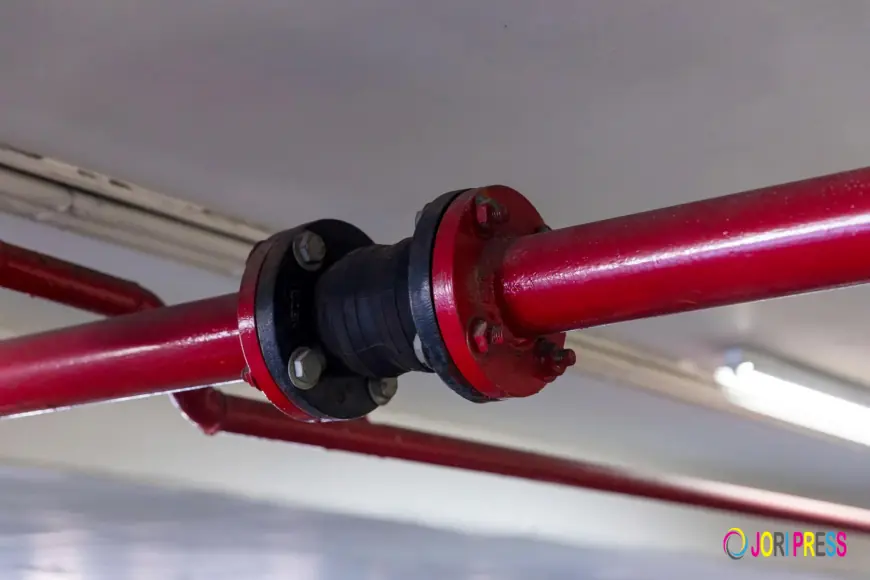
Industrial pumping systems are the backbone of many facilities, including oil and gas plants, manufacturing units, water treatment facilities, chemical processing plants, and utility infrastructure. While pumps are designed to move fluids efficiently, the piping connected to them often experiences significant mechanical stress. Surprisingly, many pipeline failures occur not in the main pipeline network but in the sections located closest to the pump.
These failures can lead to leaks, unplanned downtime, costly repairs, reduced equipment life, and operational inefficiencies. Understanding the root causes of these issues is essential for engineers and maintenance teams seeking to improve system reliability.
One of the most effective solutions for mitigating these risks is the use of flexible connectors. Installed between the pump and piping system, flexible connectors help absorb movement, reduce stress, and protect both equipment and infrastructure.
Why Are Pump-Connected Pipelines More Vulnerable?
Pumps create dynamic operating conditions. During operation, they generate vibration, pressure fluctuations, thermal movement, and mechanical forces that are transferred directly to the connected piping system. When rigid piping is used without adequate flexibility, these forces accumulate over time and contribute to premature failure.
Flexible connectors act as a buffer between the pump and the pipeline, reducing the transmission of damaging forces and improving overall system performance.
1. Excessive Vibration Damage
One of the most common causes of pipeline deterioration near pumps is continuous vibration. Mechanical vibrations generated during pump operation travel through rigid pipe systems and can gradually weaken joints, supports, and connected equipment.
Flexible connectors help absorb vibration before it spreads through the piping network. By isolating vibration at the source, they reduce wear and help maintain the integrity of the entire system.
2. Pipe Misalignment Stress
Even small installation misalignments can place significant stress on pump flanges and pipe connections. Over time, these stresses may contribute to leakage, gasket failures, and mechanical fatigue.
Flexible connectors are designed to accommodate minor misalignment and installation tolerances. This capability helps reduce unwanted loads on pumps and connected piping components.
3. Thermal Expansion and Contraction
Industrial systems often experience temperature variations that cause pipes to expand and contract. When piping lacks sufficient flexibility, thermal movement can create additional stress on equipment and support structures.
Flexible connectors help accommodate limited movement caused by thermal expansion and contraction, reducing strain and protecting critical connections.
4. Noise Transmission Through Piping Systems
Pump-induced vibration frequently results in noise traveling through the piping network. In large industrial facilities, this can contribute to elevated noise levels and create discomfort for personnel.
Flexible connectors help minimize the transmission of vibration-related noise. By interrupting the path through which vibration travels, they contribute to quieter and more efficient operations.
5. Premature Wear of Pump Components
When pipeline stress is transferred directly to the pump, critical components may experience increased mechanical loading. This can shorten equipment life and increase maintenance requirements.
By reducing stress at the connection point, flexible connectors help protect pumps from unnecessary mechanical strain and support long-term operational reliability.
6. Joint and Connection Failures
Pipeline joints and connection points are particularly vulnerable when subjected to continuous vibration and movement. Over time, excessive stress can compromise sealing performance and increase the likelihood of leaks.
Flexible connectors help reduce the forces acting on joints and connections, lowering the risk of premature failures and improving system dependability.
7. Increased Maintenance and Downtime
Every pipeline failure results in maintenance intervention, production interruptions, and additional operational costs. Frequent repairs can significantly impact overall plant productivity.
Flexible connectors contribute to a more stable piping system by reducing vibration, accommodating movement, and minimizing stress-related damage. As a result, facilities may experience fewer unexpected failures and lower maintenance demands.
Best Practices for Flexible Connector Installation
The effectiveness of flexible connectors depends on proper selection and installation. Engineers should evaluate operating conditions such as vibration levels, temperature variations, pressure requirements, and piping alignment when specifying connectors.
Proper support arrangements and correct placement are equally important to ensure the connector functions as intended and delivers long-term performance benefits.
Final Thoughts
Industrial pipelines located near pumps face constant mechanical challenges, including vibration, misalignment, thermal movement, noise transmission, and connection stress. If these issues are not addressed, they can lead to costly failures, operational disruptions, and reduced equipment life.
Flexible connectors provide a practical solution by absorbing vibration, accommodating movement, reducing stress, and protecting both pumps and pipelines. For organizations focused on reliability, efficiency, and long-term asset performance, flexible connectors play a vital role in modern piping system design.
For engineering expertise and advanced solutions related to piping systems, vibration analysis, and industrial infrastructure reliability, Conserve Solutions continues to support organizations with specialized engineering services and industry-focused technical capabilities.
What's Your Reaction?
 Like
0
Like
0
 Dislike
0
Dislike
0
 Love
0
Love
0
 Funny
0
Funny
0
 Angry
0
Angry
0
 Sad
0
Sad
0
 Wow
0
Wow
0