





































When Love Speaks Different Languages: Delulu Ka Solulu

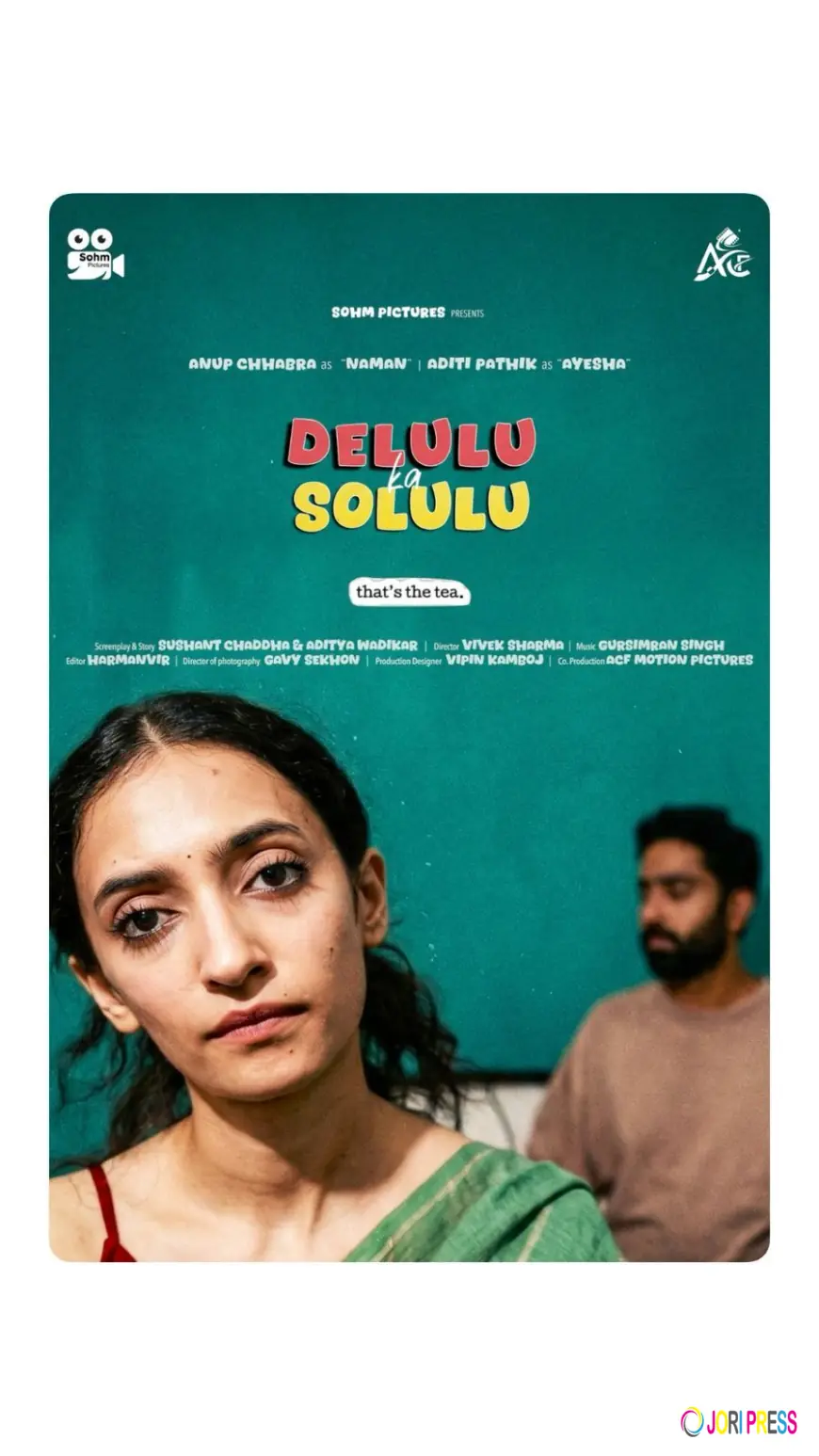
What happens when two people love each other deeply, but don’t speak the same emotional language? Let’s introduce with an interesting couple, Ayesha and Naman.
They’ve recently moved in together in Chandigarh, and as they begin their life, they’re discovering sides of each other they never noticed before.
Who are they?
They’re the lead characters of the web series “Delulu Ka Solulu.” The name sounds different, and so does the story!
Should we go over the story in more depth?
A Look at Their Story
The series follows a couple who have fallen in love, despite being completely different from each other. Ayesha is expressive and talkative. Naman, on the other hand, speaks only when necessary.
Their relationship isn’t built on dramatic fights or grand misunderstandings. Instead, it’s about the little everyday conflicts, shared mugs, misplaced chargers, forgotten anniversaries, and long silences that say more than words ever could.
A Relationship Tested by Closeness
Ayesha and Naman are already in love when the story begins.
They’re not fighting distance or long calls, or missed time.
They’re fighting something quieter: understanding.
Ayesha is expressive, communicative, and emotional. She believes love should be spoken, explained, and made visible. Naman, on the other hand, believes in presence, in showing up, in staying, in doing rather than saying. Where Ayesha talks in sentences, Naman responds in silence.
They are quite cute to see, as they do almost humorous disagreements over bedsides, Wi-Fi passwords, mugs, and routines. However, it slowly deepens into emotional fractures. Not because they don’t love each other, but because they’ve never learned to speak the same emotional language.
The Heart of the Story
Delulu Ka Solulu doesn’t rush its conflicts. Across eight intimate episodes, the show gently moves from observational comedy into emotional realism. The arguments grow quieter. The pauses grow heavier. And the things left unsaid begin to carry more weight than the things spoken aloud.
There are no dramatic acts of disloyalty here. No unexpected breakups.
Just the slow fading that happens when love is felt deeply, but expressed differently.
A temporary separation forces both Ayesha and Naman to look inward. Not to ask what went wrong, but to finally ask what was never named.
Shot in Vertical Format
Delulu Ka Solulu is shot entirely in vertical format, making it optimized for mobile viewing. This approach creates a more intimate and immersive experience, bringing viewers closer to the characters’ emotions and daily life. The vertical framing emphasizes gestures, expressions, and small details that might get lost in traditional landscape shots, giving the series a personal, almost social-media-like feel.
Cast & Performances
The series is led by Aditi Pathik and Anup Chhabra, who portray Ayesha and Naman. They show emotions mostly through expressions, pauses, and body language, rather than long dialogues, which fits the calm tone of the show.
The supporting cast includes Mesahill Sharma, Mandeep Kaur, Kavita Aggarwal, Sarthak Kapoor, Amanpreet, String, Neel, Khushdeep, and Anthe Pandit. Each character adds texture to the world of the story, making it feel lived-in and relatable.
Creative Team & Production
Meet the creative team and production crew who bring this story to life:
|
Role |
Who Handled |
|
Director & Producer |
Vivek Sharma |
|
Story & Screenplay |
Sushant Floyd Vanadoors, The Filmy Hippie |
|
Cinematography |
Gavy Sekhon |
|
Editing |
Harmanvir |
|
Music |
Bookieeboyz |
|
Production Design |
Vipin Kamboj |
|
Co-Producer |
ACF Motion Pictures |
|
Line Production |
Mohit Bhardwaj, Joshi Nangal |
|
On-Location Sound |
Uma Sounds |
Delulu Ka Solulu is directed by Vivek Sharma, who also serves as Producer and Executive Producer under the banner of Sohm Pictures.
The story and screenplay are written by Sushant Floyd Vanadoors and The Filmy Hippie, who give the series a natural and heartfelt feel.
The cinematography was done by Gavy Sekhon. He used the vertical format to focus closely on the characters and their expressions. The editing was handled by Harmanvir, who keeps a calm pace, which makes the quiet moments feel important.
The music was composed by Bookieeboyz, and it supports the emotions in the story without being too loud. The production design by Vipin Kamboj makes the homes and spaces feel real, showing everyday life naturally.
The project is co-produced by ACF Motion Pictures. Line production was managed by Mohit Bhardwaj and Joshi Nangal. On-location sound was handled by Uma Sounds, who worked to make the conversations sound real.
Another strength of the project lies in how all the technical aspects come together seamlessly to support the storytelling. The sound design, especially the on-location audio by Uma Sounds, blends smoothly with the visuals, making conversations feel intimate and true to life. Combined with the restrained background score and realistic settings, this attention to detail helps maintain an immersive atmosphere. The series never feels overproduced; instead, it stays rooted in authenticity, allowing viewers to feel like silent observers of real moments unfolding on screen.
Characters Who Feel Real
Ayesha is a Gen Z girl impressed by social media, who wants to live independently, and is full of contradictions.
She is emotionally deep, quick with words, and truly self-aware, yet cautious when it comes to vulnerability. She wants to be seen, but fears being questioned too closely. Communication, for her, is safety. Silence feels like rejection.
Naman lives on the other side of expression. He is a passionate photographer; he understands emotions visually rather than verbally. He feels deeply but struggles to translate those feelings into words. His love exists in routines, playlists, quiet gestures, and consistency, but that often isn’t enough for someone who needs reassurance spoken aloud.
Together, they represent a conflict many modern relationships face: “presence versus expression,” “comfort versus clarity.”
A Soft, Honest Take on Love
Delulu Ka Solulu is different in its calmness. It doesn’t try to offer perfect solutions or dramatic lessons. Instead, it remains with discomfort. It recognizes that relationships don’t tend to fall apart overnight; they stretch, soften, weaken, and sometimes, if both people are willing to learn, they hold.
So this is a story about learning to love someone not in the way you understand love, but in the way they need it.
If you are one of those who have felt unheard, misunderstood, or quietly hopeful inside a relationship, Delulu Ka Solulu may feel uncomfortably familiar and deeply true to you.
What's Your Reaction?
 Like
0
Like
0
 Dislike
0
Dislike
0
 Love
0
Love
0
 Funny
0
Funny
0
 Angry
0
Angry
0
 Sad
0
Sad
0
 Wow
0
Wow
0