




































What Attracts Termites to Your Property

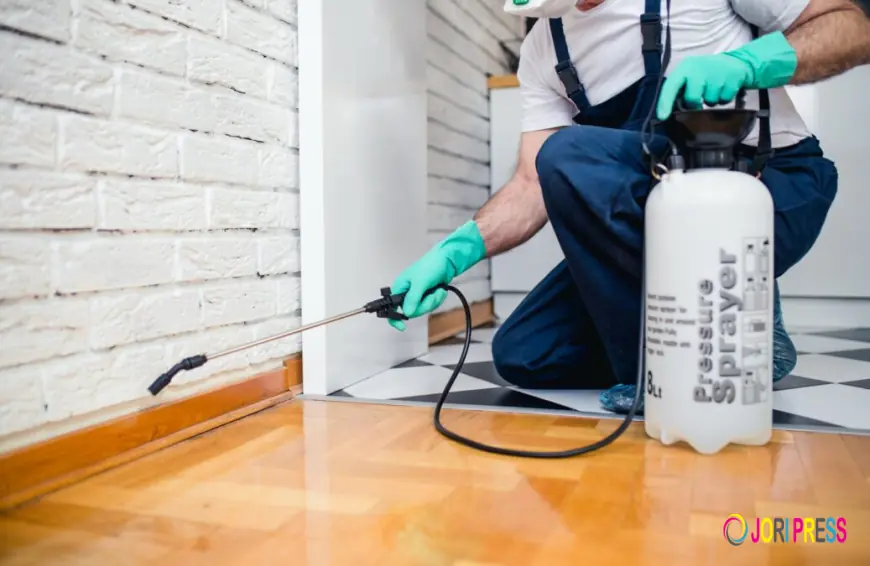
Termites are one of the most destructive pests in Australia, causing millions of dollars in damage to homes and buildings every year. Once they’ve established a colony, they can silently eat away at timber structures without any obvious signs—until the damage is done. Understanding what draws termites to your property is one of the best ways to prevent an infestation before it starts.
Here’s a breakdown of the key factors that make your home or business more appealing to termites, and how termite pest control can help manage those risks.
1. Moisture Around the Property
Termites, especially subterranean species, rely on moisture to survive. Damp conditions make it easier for them to build mud tunnels and maintain the humid environment they need.
Common sources of excess moisture include:
-
Leaky taps, gutters or downpipes
-
Poor drainage around the foundation
-
Water is pooling near the base of the home
-
Broken air conditioning overflow pipes
-
Untreated garden beds with heavy watering
Even small leaks or damp patches around your home can create ideal conditions for termites to thrive. Keeping the perimeter of your building dry is a critical first step in termite pest control.
2. Timber in Contact with Soil
One of the easiest ways termites access a structure is through timber-to-soil contact. If your home has timber posts, decks, fencing, or garden edging sitting directly on the ground, it provides an open invitation for termites to explore and potentially move indoors.
This risk is even higher if the timber is untreated or has begun to decay. Termites love soft, weathered wood—it’s easier to chew through and holds moisture well.
Proper termite pest control includes identifying and modifying these risk zones to reduce the chance of infestation.
3. Mulch and Garden Beds Close to the House
While mulch itself doesn’t necessarily “attract” termites, it does create the kind of damp, shaded environment they prefer. When garden beds or mulch are built up right against the house, it increases the risk of termites finding a way into the building.
Termites are highly efficient foragers. If they’re already active in nearby trees or the surrounding soil, garden beds can act as a stepping stone to your property.
A licensed termite pest control technician will often inspect these areas closely and provide guidance on landscaping changes that reduce termite access.
4. Untreated or Stored Timber
Stacks of firewood, old sleepers, or stored timber offcuts are common in many Australian backyards. But if they’re left sitting directly on the ground or stored near the home, they can become a feeding ground for termites.
Even if the wood isn’t part of the structure, termites can establish a colony within it and then spread toward your home. Always store timber off the ground and away from buildings. Regular inspections by a termite pest control expert can help detect early signs of activity in these areas.
5. Cracks in the Foundation or Walls
Termites only need a small gap to gain access to a building. Cracks in concrete slabs, gaps around pipes, or poorly sealed weep holes can allow subterranean termites to enter unnoticed. Once inside, they can remain hidden for years while causing serious structural damage.
Preventative termite pest control includes sealing these gaps and installing barriers where needed.
6. Lack of a Termite Management System
Many properties, especially older ones, may not have an active termite management system in place. These systems—such as chemical soil treatments or baiting stations—are designed to deter termites and provide early detection if they approach the building.
Without any protection in place, your home is far more vulnerable. A professional termite pest control provider can assess your property and recommend the most suitable protection strategy.
7. Nearby Trees, Stumps, or Bushland
Living close to nature has its perks, but it also means sharing the space with termites. Tree stumps, dead trees, and large timber structures in the garden are common nesting sites for subterranean termites.
If these are within foraging distance (often up to 100 metres) from your home, the chance of an infestation rises significantly.
Termite pest control professionals often inspect and treat these external areas to prevent termites from moving closer to your home.
8. Poor Ventilation Under the House
In homes with subfloor areas, poor ventilation can lead to high humidity and damp timber. This creates ideal conditions for termites, particularly in older homes or those built on sloping blocks where air flow is limited.
Installing proper subfloor ventilation or mechanical fans is often part of a long-term termite pest control plan, especially in tropical or coastal regions.
Final Thoughts
Termites are drawn to properties that offer food, moisture, and easy access—all of which are more common than you might think. While you can’t control everything around your home, there are many practical steps you can take to make it less attractive to termites.
Routine inspections and a proper termite pest control plan are your best defence. With early detection, expert guidance, and targeted treatments, you can protect your property before costly damage occurs.
If you’re unsure whether your home is at risk, now is the time to book an inspection with a qualified termite technician and stay one step ahead.
What's Your Reaction?
 Like
0
Like
0
 Dislike
0
Dislike
0
 Love
0
Love
0
 Funny
0
Funny
0
 Angry
0
Angry
0
 Sad
0
Sad
0
 Wow
0
Wow
0