






































What Are the Hidden Costs When Importing Japanese Used Cars to Pakistan? A Buyer’s Checklist
This guide breaks down the real, often-missed costs Pakistani buyers should account for before importing a used car from Japan and provides a practical checklist to help avoid budget overruns.

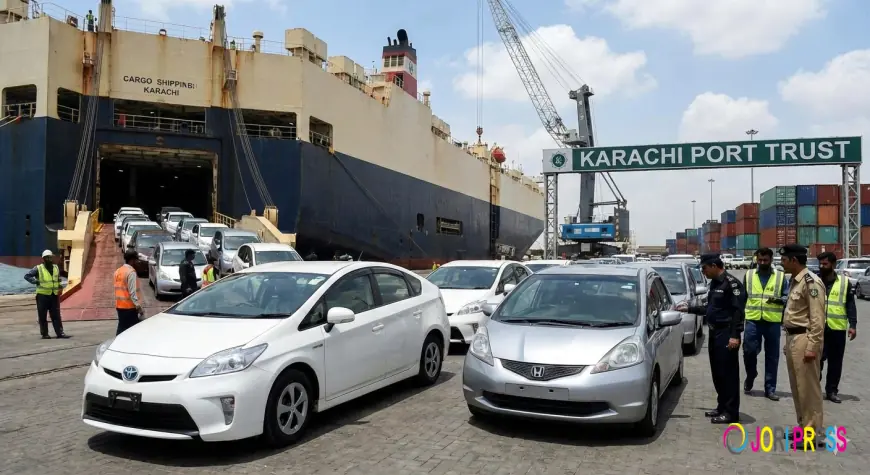
Importing a Japanese used car into Pakistan can offer better quality, lower mileage, and superior reliability compared to many locally available options. However, many buyers underestimate the hidden costs involved in the process. These overlooked expenses can significantly increase the final price, turning what looks like a great deal into an expensive surprise.
This guide breaks down the real, often-missed costs Pakistani buyers should account for before importing a used car from Japan and provides a practical checklist to help avoid budget overruns.
Why Hidden Costs Catch Importers Off Guard
Most buyers focus on the FOB (Free on Board) or CIF (Cost, Insurance, and Freight) price quoted by exporters. While this price is important, it represents only part of the total expense.
Hidden costs usually arise from:
-
Local regulations
-
Port handling processes
-
Currency fluctuations
-
Compliance and modification requirements
Understanding these costs upfront is essential for accurate budgeting.
Major Hidden Costs When Importing Japanese Used Cars to Pakistan
Import Duties and Taxes
Pakistan’s import structure includes multiple layers of taxation, which vary based on:
-
Engine capacity
-
Vehicle age
-
Fuel type (petrol, diesel, hybrid)
Beyond basic customs duty, buyers may also face:
-
Regulatory duty
-
Additional customs duty
-
Sales tax
-
Income tax (advance tax)
These combined charges can sometimes exceed expectations, especially for larger engines.
Vehicle Age Penalties
Pakistan enforces age limits under schemes such as:
-
Personal Baggage
-
Gift Scheme
-
Transfer of Residence
Exceeding allowed age thresholds can result in:
-
Higher duties
-
Additional penalties
-
In extreme cases, rejection at port
Many buyers overlook this risk when choosing vehicles based solely on price.
Port Handling and Demurrage Charges
Once the vehicle arrives at Karachi Port or Port Qasim, several port-related charges apply:
-
Terminal handling fees
-
Wharfage
-
Port storage charges
Delays in document clearance can lead to demurrage, which accrues daily and can become expensive very quickly.
Clearing Agent and Documentation Fees
Professional clearing agents are almost always required to navigate Pakistan’s customs process.
Typical costs include:
-
Clearing agent service fees
-
Documentation handling charges
-
Customs examination coordination
While these fees may seem minor individually, they add up quickly.
Currency Exchange Fluctuation
Most payments to Japanese exporters are made in foreign currency. Between:
-
Booking the car
-
Arrival at port
-
Final customs payment
exchange rates may shift. Even small fluctuations can noticeably affect total cost, especially on higher-value vehicles.
Compliance Modifications
Some imported vehicles require modifications before they can be legally registered, such as:
-
Speedometer conversion (km/h to local standard)
-
Headlight beam adjustments
-
Emission-related tuning in certain cases
These costs are often overlooked during the initial purchase phase.
Registration and Number Plate Costs
After customs clearance, additional expenses include:
-
Provincial registration fees
-
Token taxes
-
Number plate issuance
-
Smart card or registration book fees
These costs vary by province and engine size.
Insurance and Roadworthiness Expenses
Imported vehicles may require:
-
Mandatory insurance before registration
-
Roadworthiness checks or inspections
-
Minor repairs to meet safety standards
Skipping these steps can delay registration or reduce resale value later.
Common Overlooked Costs That Add Up
Some smaller but frequent expenses include:
-
Bank charges for international transfers
-
Courier costs for original documents
-
Temporary storage outside port
-
Inspection re-checks if issues are found
Individually small, collectively significant.
Buyer’s Hidden Cost Checklist (Before You Import)
Before committing to a Japanese used car, confirm:
-
Exact customs duty based on engine size and age
-
Port and demurrage policies at arrival port
-
Clearing agent fee estimate
-
Expected compliance modification costs
-
Registration and provincial taxes
-
Currency exchange buffer (5–10%)
-
Insurance and inspection costs
If any of these are unclear, delay the purchase until clarified.
How Hidden Costs Affect Resale Value
Excessive hidden costs reduce resale margins. Buyers who overspend on import fees often struggle to recover costs when selling later. Vehicles imported with minimal surprises typically:
-
Price more competitively
-
Sell faster
-
Attract serious buyers
Smart importers think beyond landing price and focus on total ownership cost.
How to Import a Car from Japan to Pakistan detailed Guide: satjapan.com/car-blog/import-japanese-cars-to-pakistan-guide
Final Thoughts
Importing Japanese used cars to Pakistan can still be a smart decision but only when buyers account for all hidden costs upfront. Taxes, port charges, compliance modifications, and administrative fees can dramatically change the final price.
The most successful importers are not those who find the cheapest car but those who calculate the true landed cost accurately before making a commitment.
What's Your Reaction?
 Like
0
Like
0
 Dislike
0
Dislike
0
 Love
0
Love
0
 Funny
0
Funny
0
 Angry
0
Angry
0
 Sad
0
Sad
0
 Wow
0
Wow
0