






































What Are the Best Settings to Adjust in a Forex Bot for Better Results?
Forex trading bots can deliver better results when you adjust key settings like risk management, lot size, stop loss, take profit, and indicators. Proper customization improves accuracy, safety, and long-term profitability.

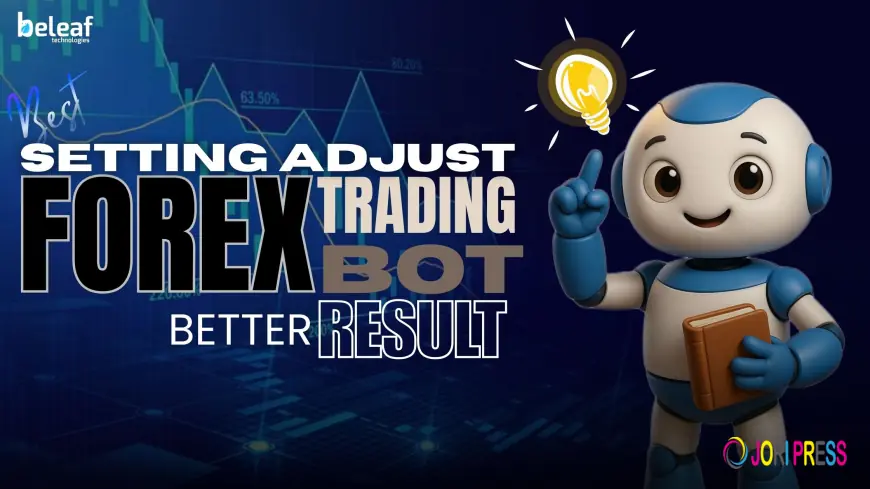
Forex trading bots are very helpful for traders who want to trade automatically without spending many hours watching the market. These bots, also known as Expert Advisors (EAs), can open and close trades based on fixed rules, indicators, and strategies. However, many people believe that installing a bot is enough to make profits, which is not true. The best results come from adjusting the bot’s settings properly. Since the Forex market changes every day, the default settings may not suit your trading goals. By changing the right parameters, you can improve accuracy, reduce losses, and get more stable performance over time.
Why Do Forex Bot Settings Matter?
Forex bots work using programmed instructions, so their success depends on the settings you choose. The market is always changing because of volatility, economic news, and liquidity changes. A bot that works well today may not perform the same tomorrow if it is not adjusted. That is why customization is important. By fine-tuning your bot, you can control its trading behavior, reduce risks, and match it to your trading style. The right settings help prevent overtrading, improve consistency, and make your automated trading system more reliable.
What Are the Best Settings to Adjust in a Forex Bot?
The most important bot settings include risk control, trade size, indicator rules, and strategy adjustments. These are the main factors that affect trading results. Below are the key settings traders should focus on to get better performance and long-term success.
Risk Management Settings: The Foundation of Safe Trading
The most important setting in any Forex bot is risk management, because no strategy can work without controlling losses. Risk management decides how much money you risk on each trade and how much loss your account can handle in a day or week. Most professional traders suggest risking only 1–2% per trade. Bots should also have daily loss limits and restrictions on the number of open trades. These controls protect your account during losing periods and stop one bad trade from causing major damage. A bot without risk limits may look profitable at first, but it becomes very risky in the long run.
Lot Size and Position Sizing Configuration
Lot size controls how big each trade will be. This setting directly affects both profits and losses. Some bots use a fixed lot size, while others adjust trade size based on account balance or risk percentage. Beginners should start with smaller lot sizes to reduce risk, while experienced traders may prefer dynamic sizing that grows slowly with the account. Proper position sizing helps keep trading steady and prevents large account fluctuations.
Stop Loss and Take Profit Settings
Stop loss and take profit rules are essential for managing trades. A stop loss limits how much you can lose, while taking profit locks in gains when the price reaches a target. If stop loss is too small, trades may close too early. If it is too large, losses may become harder to recover. Many bots also offer trailing stops, which protect profits while allowing trades to continue when the market moves in your favor. Finding the right balance between stop loss and take profit is important for stable automated trading.
Trading Time Filters and Session Settings
Forex markets do not behave the same way throughout the day. Bots often perform better during high-volume trading sessions like London or New York, when liquidity is strong and price movements are clearer. Adjusting session filters prevents the bot from trading during quiet hours when spreads increase and signals become less reliable. Choosing the best trading hours can improve trade quality and reduce unnecessary trades.
Choosing the Right Currency Pairs
Not all currency pairs behave the same way. Some are more volatile, while others move steadily.
Bots should be optimized for specific pairs like:
-
EUR/USD (stable and popular)
-
GBP/JPY (high volatility)
-
USD/JPY (moderate movement)
Always test your bot on the pairs it was designed for, rather than applying it to everything.
Adjusting Trade Frequency and Overtrading Limits
Overtrading is a common problem with Forex bots. When a bot trades too often, it increases exposure to spreads, commissions, and market noise. Setting limits on the number of trades per day, adding time gaps between trades, and using extra confirmation filters can improve results. A bot that trades less but focuses on stronger signals usually performs better than one that enters trades constantly.
Best Indicators for Forex Bots: Improving Signal Accuracy
Indicators are a major part of Forex bot decision-making. Using the best indicators for Forex bots helps improve trade signals. Popular indicators include Moving Averages, RSI, MACD, Bollinger Bands, and ATR. These tools help identify trends, momentum, reversals, and volatility. The goal is not to use too many indicators, but to choose the right combination that fits your strategy. Well-optimized indicator settings reduce false signals and improve accuracy.
Automated Forex Trading Strategy Settings for Better Optimization
Every Forex bot works based on strategy rules, so optimizing automated Forex trading strategy settings is very important. These settings include entry rules, exit rules, trend filters, breakout levels, and trade management logic. Some bots are designed for scalping with quick trades, while others focus on swing trading for longer-term positions. Traders should avoid overly aggressive strategies like martingale unless they fully understand the risks. A balanced strategy configuration leads to better long-term performance.
Backtesting and Optimization Settings
Backtesting helps you test your bot using past market data before trading with real money. This allows you to understand how the bot performs in different conditions. Backtesting should include realistic spreads, slippage, and enough historical data. Optimization should be done carefully, because too much adjustment for past performance may lead to poor results in live markets. A stable and realistic approach is better than trying to create perfect historical profits.
Slippage and Spread Control Settings
Trading costs like spreads and slippage can reduce profits, especially in automated trading. Bots should have maximum spread filters to avoid entering trades when costs are too high. Slippage limits also help prevent execution problems during fast market moves. These settings ensure trades remain efficient and help reduce losses caused by unfavorable trading conditions.
News Filter and Market Volatility Controls
Economic news events can cause sudden and unpredictable price movements. Bots that trade during major announcements such as interest rate decisions, inflation data, or Non-Farm Payrolls may face higher risk. Using a news filter allows the bot to pause trading during these periods. Volatility controls help protect traders from unexpected market spikes and make automated trading smoother.
Demo Testing Before Live Trading
Before using customized settings in a live account, demo testing is very important. A demo account allows you to test the bot without financial risk. Running the bot for a few weeks helps you identify weak points, improve settings, and build confidence. Trading live without testing is one of the biggest mistakes traders make.
Conclusion
Forex trading bots can be powerful tools, but success depends on proper customization. Adjusting key settings such as lot size, stop loss, take profit, trading sessions, and indicator rules can greatly improve results. By focusing on strong risk management, using the best indicators for Forex bots, and optimizing automated Forex trading strategy settings, traders can build a more stable and reliable automated system. With regular testing and correct configuration, you can achieve the best Forex bot settings for profitable trading over the long term.
What's Your Reaction?
 Like
0
Like
0
 Dislike
0
Dislike
0
 Love
0
Love
0
 Funny
0
Funny
0
 Angry
0
Angry
0
 Sad
0
Sad
0
 Wow
0
Wow
0