

































Transforming Logistics and Supply Chain with AI and Predictive Analytics
The logistics and supply chain industry faces constant pressure to improve efficiency, reduce costs, and meet growing customer expectations. Traditional methods often fall short in handling the complexity and scale of modern supply chains. Artificial intelligence (AI) and predictive analytics offer powerful tools to address these challenges by providing smarter decision-making and greater visibility. This post explores how AI and predictive analytics are reshaping logistics and supply chain management, with practical examples and insights on their impact.


The logistics and supply chain industry faces constant pressure to improve efficiency, reduce costs, and meet growing customer expectations. Traditional methods often fall short in handling the complexity and scale of modern supply chains. Artificial intelligence (AI) and predictive analytics offer powerful tools to address these challenges by providing smarter decision-making and greater visibility. This post explores how AI and predictive analytics are reshaping logistics and supply chain management, with practical examples and insights on their impact.
How AI Enhances Logistics Operations
AI uses algorithms and machine learning models to analyze vast amounts of data, identify patterns, and make predictions. In logistics, this capability translates into several key improvements:
- Route optimization: AI systems analyze traffic, weather, and delivery constraints to find the fastest and most cost-effective routes for trucks and delivery vehicles. This reduces fuel consumption and delivery times.
- Inventory management: AI predicts demand fluctuations and adjusts inventory levels accordingly, preventing stockouts and overstock situations.
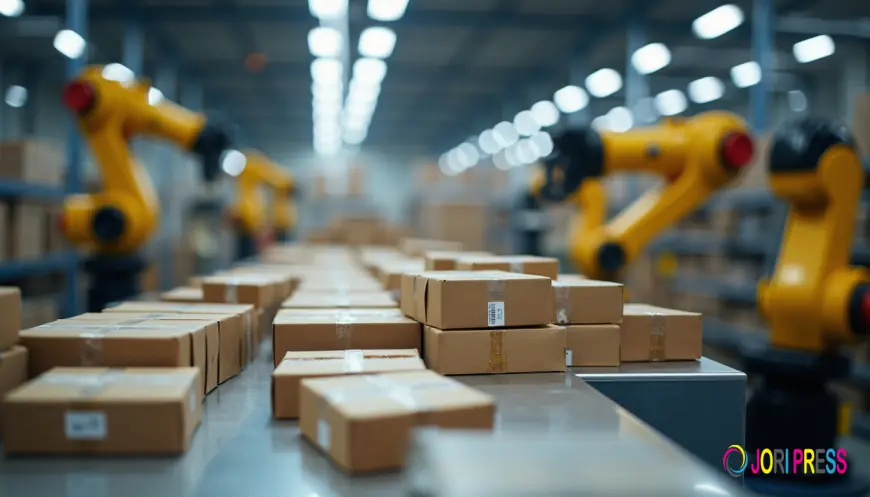
- Warehouse automation: Robots powered by AI handle sorting, packing, and moving goods, increasing speed and accuracy while reducing human error.
- Real-time tracking: AI integrates data from GPS, sensors, and IoT devices to provide up-to-the-minute visibility of shipments and assets.
For companies looking to implement AI in logistics, platforms like Minedx AI’s supply chain optimization solutions offer tailored tools that combine these capabilities into a unified system.
The Role of Predictive Analytics in Supply Chain Management
Predictive analytics uses historical data and statistical models to forecast future events. In supply chains, this means anticipating demand, risks, and disruptions before they occur. Some practical applications include:
- Demand forecasting: Predictive models analyze sales trends, seasonality, and external factors to estimate future product demand. This helps companies plan production and procurement more accurately.
- Risk management: Analytics identify potential supply chain disruptions such as supplier delays, geopolitical issues, or natural disasters, allowing proactive mitigation.
- Maintenance scheduling: Predictive analytics monitors equipment health and predicts failures, enabling timely maintenance that avoids costly downtime.
- Customer behavior insights: Understanding buying patterns helps tailor inventory and delivery strategies to customer preferences.
By integrating predictive analytics with AI, supply chains become more agile and responsive. Solutions like those from Minedx AI provide advanced predictive analytics tools that support these improvements.
Real-World Examples of AI and Predictive Analytics Impact
Several companies have successfully applied AI and predictive analytics to transform their logistics and supply chain operations:
- Amazon uses AI-driven robots in its fulfillment centers to speed up order processing and reduce errors. Its predictive analytics forecast demand spikes during holidays, enabling better inventory planning.
- DHL employs AI to optimize delivery routes and uses predictive models to anticipate shipment delays caused by weather or traffic, improving customer communication.
- Maersk, a global shipping company, applies AI to monitor vessel performance and predict maintenance needs, reducing downtime and operational costs.
These examples show how combining AI and predictive analytics leads to measurable benefits such as faster deliveries, lower costs, and improved customer satisfaction.
Steps to Implement AI and Predictive Analytics in Your Supply Chain
For businesses interested in adopting these technologies, consider the following approach:
- Assess current data and systems: Identify what data is available and how it is collected. Clean, accurate data is essential for effective AI and analytics.
- Define clear goals: Determine which areas of the supply chain need improvement, such as reducing delivery times or improving demand forecasts.
- Choose the right tools: Evaluate AI and predictive analytics platforms that fit your needs. Solutions like Minedx AI’s supply chain optimization offer customizable options.
- Start small and scale: Pilot projects in specific areas can demonstrate value and build confidence before wider rollout.
- Train staff and update processes: Ensure teams understand how to use new tools and adjust workflows to maximize benefits.
The Future of Logistics and Supply Chain with AI
As AI and predictive analytics continue to evolve, their role in logistics will expand. Emerging trends include:
- Increased automation with autonomous vehicles and drones for delivery.
- Greater use of real-time data from IoT devices to enhance visibility and responsiveness.
- Advanced machine learning models that improve accuracy and adapt to changing conditions.
- Sustainability focus, using AI to reduce waste and carbon footprint.
Businesses that embrace these technologies will gain a competitive edge by building supply chains that are faster, smarter, and more resilient.
What's Your Reaction?
 Like
0
Like
0
 Dislike
0
Dislike
0
 Love
0
Love
0
 Funny
0
Funny
0
 Angry
0
Angry
0
 Sad
0
Sad
0
 Wow
0
Wow
0