







































Top CNC Machine Tool Strategies for High-Volume Production
Learn top CNC tool strategies for high-volume production. Improve efficiency, reduce downtime, boost accuracy, and enhance machining with modern CNC tools and methods.
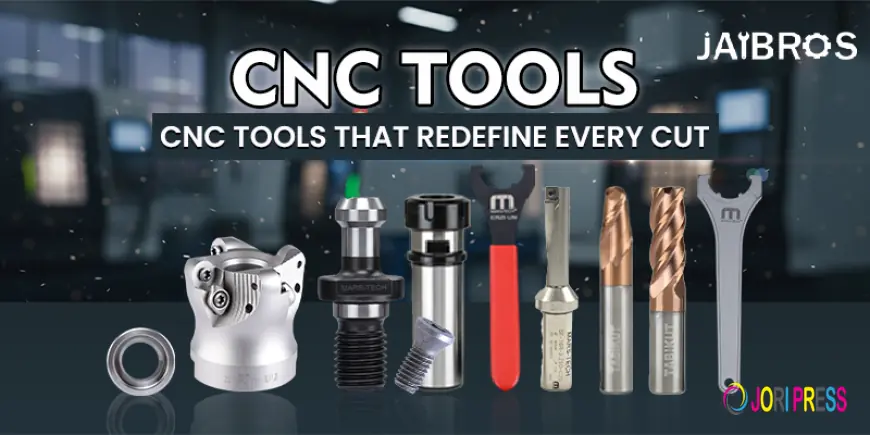
How to Optimize CNC Machine Tools for Faster High-Volume Output
When it comes to obtaining the most efficient way to manufacture products at high volumes, this can only happen when many different elements work in conjunction with one another: advanced manufacturing technology, enhanced tooling solutions and optimized manufacturing processes for assembly. Due to the competitive nature of the industry, manufacturers today compete with one another on the basis of how quickly they can deliver their products and the quality of the products they sell, while constantly being pressured by their customers to reduce their operating expenses. Therefore, this means that today's manufacturers need to invest in advanced manufacturing equipment and apply high-performance manufacturing methods, thus enabling the business to maximize its productivity.
One of the most significant advantages for maximizing productivity using CNC machine tools is the ability to effectively utilize the machine tools in your facility. The correct use of a tool path algorithm and the application of established cutting parameter settings will enable your facility to enhance cycle times, allow for the repeated usage of the same tool, create a consistent finish to the finished workpiece, and as a result, improve your facility's profitability.
1. Understand How Tooling Impacts Production Output
In high-volume manufacturing, even the smallest error can lead to production delays, scrapped parts, and increased expenses. This is why proper use of each CNC tool becomes critical.
Tool geometry, coating, and material all influence performance. Shops must evaluate whether their current tooling can support demanding production cycles. High-speed steel may suffice for light operations, but carbide tools generally offer superior performance for repetitive, long-duration machining.
Additionally, businesses should consider automation compatibility. As industries shift toward smart manufacturing, the demand for durable CNC machine tools capable of continuous, unattended operation increases.
2. Optimize Tool Paths for Minimum Cycle Time
Efficient toolpath programming can reduce machining time by 20–40%. Advanced CAM strategies such as trochoidal milling, adaptive clearing, and high-efficiency roughing allow shops to achieve faster material removal without compromising tool life.
When optimizing paths for each CNC tool, programmers must also consider machine limitations and spindle capabilities. A poorly designed toolpath can cause vibration, wear, and increased operational costs.
Leveraging CAM software’s simulation capabilities helps eliminate errors before the part reaches the actual machine.
3. Balance Cutting Parameters for Maximum Stability
High-volume machining requires consistent, reliable cutting performance. Engineers must set optimal parameters, including feed rate, spindle speed, axial depth, and radial engagement.
For example, when performing CNC milling, deeper cuts may increase removal rates but also push the tool to its limits. A well-balanced approach results in higher accuracy and improved part quality.
Cutting parameter optimization is also influenced by tool material. Carbide tools can withstand higher heat and speeds, while HSS tools may require more conservative settings. Understanding these differences ensures that every CNC tool runs at its ideal performance level.
4. Use Predictive Maintenance to Minimize Downtime
Downtime is the biggest enemy of high-volume production. Excessive wear on CNC tools, unexpected breakage, or spindle overloads can halt workflow and cause unplanned delays.
Implementing predictive maintenance allows manufacturers to monitor tool wear, vibration levels, temperature changes, and machine performance in real time. Sensors, data tracking systems, and AI-based monitoring software provide early warnings and reduce the risk of costly failures.
Many shops also track CNC machine price trends to understand how investment in modern machines with advanced monitoring features can save long-term operational costs.
5. Standardize Tooling Across Machines and Processes
One of the easiest ways to boost productivity is by standardizing cutting tools and tool holders throughout the shop. This reduces changeover times, simplifies programming, and minimizes inventory requirements.
By creating a standardized list for each CNC tool, machinists know exactly which tools are required for each job, how to set them up, and how long they are expected to last.
Shops that run multiple machines often benefit from using the same CNC machine tools across various operations. This consistency reduces training time, boosts accuracy, and decreases the likelihood of setup errors.
6. Invest in Modern Automation-Compatible Tooling
As automation grows in manufacturing, the demand for advanced CNC tools that can handle long production cycles is rising. Zero-point clamping systems, robotic tool changers, and sensor-equipped spindle monitoring have become essential in high-volume environments.
Today’s automated setups often include cobots, pallet changers, and automatic verification systems. These technologies, paired with durable carbide tooling, allow shops to run 24/7 manufacturing with minimal human intervention.
Modern tool designs enhance performance and reduce the chances of production stoppage.
7. Train Operators to Maximize Machine and Tool Performance
Even the best CNC tool cannot deliver optimal results without skilled operators. Training plays a major role in improving tool usage, minimizing errors, and ensuring consistent output.
Operators should understand:
-
How to adjust cutting parameters
-
How to identify tool wear
-
How to perform proper tool setup
-
How to inspect parts efficiently
-
How to interpret machine alarms
This knowledge boosts confidence and increases productivity across all operations.
Conclusion
Manufacturers can achieve high production efficiency by balancing advanced tooling, optimized processing, and training. A cutter path must be optimized, while predictive maintenance and tooling should be ready for automation. The success of machining is affected by the use of the CNC (computer numerical control) tooling. When all CNC tools are used to their fullest potential, manufacturers have increased productivity, less scrap waste, and increased profit.
For businesses looking to upgrade their tooling quality and performance, Jaibros provides reliable solutions, offering precision tools designed for long life, accuracy, and maximum efficiency in modern manufacturing environments.
FAQs
1. Why is tooling so important in high-volume CNC production?
Tooling directly influences machining accuracy, cycle time, and overall productivity. The right tools help reduce downtime and prevent wear-related failures.
2. How does CNC machine price affect production planning?
Higher-priced machines often come with advanced features, automation compatibility, and monitoring systems that improve long-term productivity and reduce operational costs.
3. What is the best strategy to improve CNC milling efficiency?
Optimizing toolpaths, using the right cutting parameters, and choosing high-performance carbide tools significantly improve milling efficiency.
4. How can predictive maintenance reduce downtime?
Predictive maintenance analyzes real-time machine data to detect issues early, allowing timely intervention before breakdowns occur.
5. Are modern CNC machine tools better for automation?
Yes, modern tools are designed for longer life, higher thermal stability, and compatibility with robotic loading systems, making them ideal for automated manufacturing.
What's Your Reaction?
 Like
0
Like
0
 Dislike
0
Dislike
0
 Love
0
Love
0
 Funny
0
Funny
0
 Angry
0
Angry
0
 Sad
0
Sad
0
 Wow
0
Wow
0