































Third-Party GMP Audits: Benefits & When to Use Them
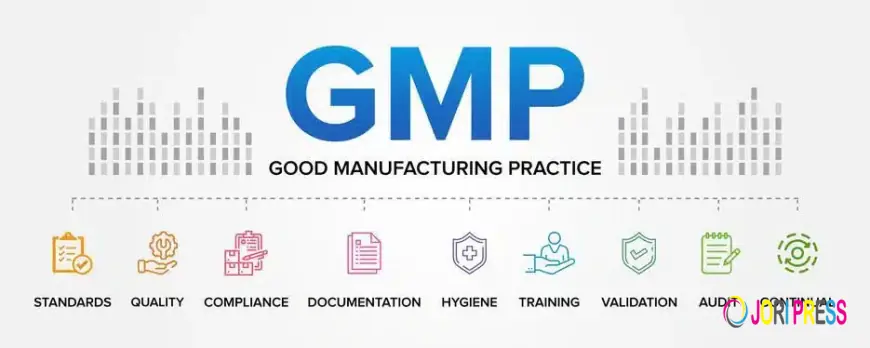
Ensuring compliance with Good Manufacturing Practice (GMP) is a critical responsibility for pharmaceutical, biotechnology, and medical device companies. Regulatory authorities expect organizations to maintain robust quality systems, transparent documentation, and continuous oversight across internal operations and external partners.
This is where third-party GMP audits play a strategic role.
Engaging an independent GMP audit service provider offers objectivity, regulatory confidence, and deep expertise—especially when internal resources are limited or when preparing for inspections. This blog explores what third-party GMP audits are, their key benefits, and when organizations should use them.
What Is a Third-Party GMP Audit?
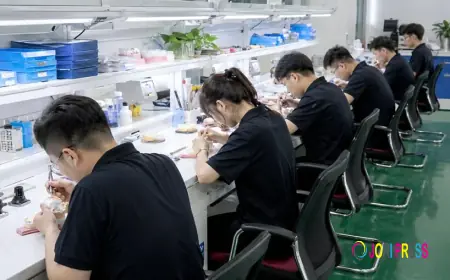
A third-party GMP audit is an independent assessment conducted by a Good Manufacturing Practice audit firm that is not directly involved in the audited organization’s operations. These audits evaluate compliance with applicable GMP regulations, including:
-
WHO GMP
-
US FDA 21 CFR Parts 210/211
-
EU GMP
-
ICH Q7, Q9, and Q10
Unlike an internal GMP audit company, third-party auditors bring an external, unbiased perspective and are often aligned with global regulatory expectations.
Key Benefits of Third-Party GMP Audits
1. Objective and Unbiased Evaluation
One of the primary advantages of working with a pharmaceutical GMP audit company is impartiality. External auditors identify gaps that internal teams may overlook due to familiarity or operational bias.
2. Regulatory-Ready Compliance
A professional GMP compliance audit company stays current with evolving regulatory requirements. Their audits help ensure your systems align with inspection expectations, reducing the risk of warning letters, Form 483s, or import alerts.
3. Specialized Expertise Across GMP Domains
Third-party providers deliver comprehensive GMP quality audit services, covering:
-
Manufacturing operations
-
Quality control laboratories
-
Validation systems
-
Data integrity
-
Change management and CAPA
Their cross-industry exposure strengthens audit depth and benchmarking.
4. Strengthened Supplier and Vendor Oversight
Supply chain compliance is a major regulatory focus. GMP supplier audit services and vendor GMP audit services help verify that raw material suppliers, CMOs, and service providers meet GMP standards and contractual obligations.
5. Efficient Resource Utilization
For companies with limited QA bandwidth, outsourcing audits avoids overburdening internal teams. This is especially valuable for startups, virtual pharma companies, and organizations operating across multiple sites.
6. Flexibility Through Remote Audits
With the rise of global operations, remote GMP audit services have become a practical alternative. They enable document reviews, interviews, and system assessments without travel—saving time and cost while maintaining compliance oversight.
When Should You Use Third-Party GMP Audits?
1. Pre-Regulatory Inspection Preparation
Before an FDA, EMA, or WHO inspection, engaging an independent GMP audit service provider helps identify gaps and implement corrective actions proactively.
2. Qualification of New Suppliers or CMOs
When onboarding new vendors, GMP inspection services ensure that suppliers meet regulatory and quality expectations before approval.
3. Expansion into New Markets
Entering regulated markets requires alignment with regional GMP requirements. A third-party audit helps validate readiness and supports regulatory submissions.
4. Post-Merger or Acquisition Assessments
During mergers or acquisitions, GMP audits assess compliance risks, quality culture, and system maturity across facilities.
5. Lack of Internal Audit Expertise
If in-house teams lack specialized GMP knowledge or independence, relying solely on an internal GMP audit company may not be sufficient. Third-party audits fill this gap effectively.
Third-Party vs Internal GMP Audits: A Strategic Balance
While internal audits are essential for continuous improvement, third-party audits provide:
-
External benchmarking
-
Regulatory credibility
-
Deeper risk identification
The most effective quality strategies use both internal and external GMP audits to create a robust, inspection-ready compliance framework.
Choosing the Right GMP Audit Partner
When selecting a Good Manufacturing Practice audit firm, consider:
-
Regulatory experience across FDA, EMA, WHO
-
Auditor qualifications and industry background
-
Scope of GMP inspection services offered
-
Capability to perform on-site and remote GMP audit services
-
Transparent reporting and CAPA support
A trusted pharmaceutical GMP audit company acts as a long-term compliance partner, not just an auditor.
Conclusion
Third-party GMP audits are no longer optional—they are a strategic necessity in today’s highly regulated pharmaceutical environment. From supplier qualification to inspection readiness, engaging a qualified GMP compliance audit company enhances quality systems, reduces regulatory risk, and strengthens organizational credibility.
By leveraging expert GMP quality audit services, organizations can confidently demonstrate compliance, safeguard patient safety, and support sustainable growth.
What's Your Reaction?
 Like
0
Like
0
 Dislike
0
Dislike
0
 Love
0
Love
0
 Funny
0
Funny
0
 Angry
0
Angry
0
 Sad
0
Sad
0
 Wow
0
Wow
0