


































The Role of Event Security Guards in Emergency Response
Event security guards play a vital role in emergency response by monitoring risks, managing crowds, coordinating with emergency services, providing first aid, and ensuring safe evacuations, helping maintain order, minimize panic, and protect attendees during critical situations.

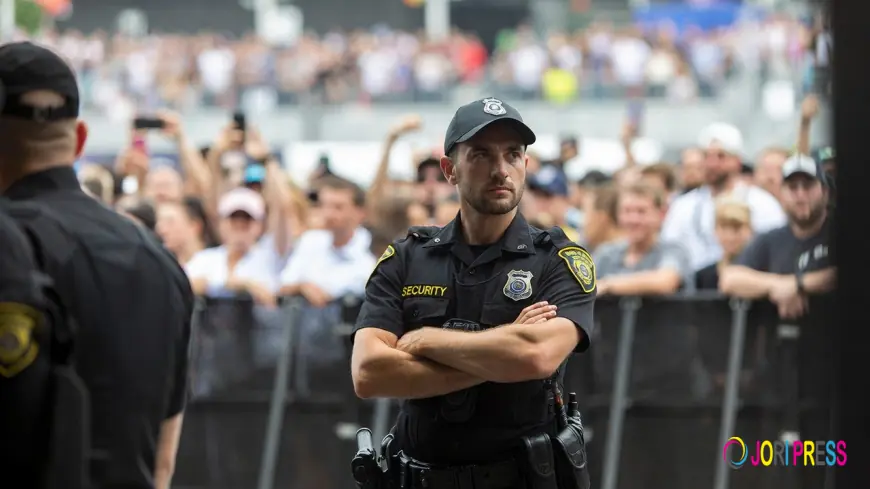
Events of all sizes—concerts, corporate gatherings, festivals, sporting matches, and community celebrations—bring people together for memorable experiences. However, large crowds and dynamic environments can also increase the risk of emergencies. From medical incidents and fire hazards to crowd surges and security threats, unexpected situations can arise at any time. This is where event security guards play a critical role in emergency response.
First Line of Defense
Event security guards are often the first line of defense when an emergency occurs. Positioned strategically across venues, they continuously monitor crowd behavior, entry and exit points, restricted areas, and potential hazards. Their proactive presence helps in identifying early warning signs such as aggressive behavior, overcrowding, or unattended items.
By recognizing risks before they escalate, security guards can prevent minor issues from turning into major incidents. Quick observation and immediate action are key components of effective emergency response.
Rapid Response and Crisis Management
In an emergency, time is critical. Trained event security guards are equipped to respond swiftly and efficiently. Whether it is guiding attendees to safe exits during a fire alarm, assisting individuals during a medical emergency, or isolating a potentially dangerous situation, their calm and structured approach helps minimize panic.
Security guards are trained in emergency protocols, including evacuation procedures, lockdown measures, and coordination with emergency services. Their ability to remain composed under pressure ensures that instructions are communicated clearly, reducing confusion among guests and staff.
Crowd Control and Evacuation Management
One of the most important responsibilities of event security guards during emergencies is managing crowds. Large gatherings can quickly become chaotic if people panic. Proper crowd control techniques help prevent stampedes, injuries, and bottlenecks at exits.
Security personnel direct attendees toward designated evacuation routes, ensure that pathways remain clear, and provide assistance to vulnerable individuals such as children, elderly guests, or people with disabilities. Their physical presence and authoritative guidance play a vital role in maintaining order during high-stress situations.
Coordination with Emergency Services
Effective emergency response requires collaboration. Event security guards act as a communication bridge between event organizers and external emergency responders such as police, fire services, and medical teams. They provide accurate information about the situation, location details, and the number of people involved.
Because security teams are familiar with the venue layout, they can guide emergency responders quickly to the affected area, saving valuable time. This coordination improves the overall efficiency of emergency operations and enhances public safety.
Medical Assistance and Basic First Aid
Many event security guards are trained in basic first aid and CPR. In situations such as dehydration, minor injuries, or sudden medical conditions, immediate assistance can make a significant difference before paramedics arrive. By providing initial care and stabilizing individuals, security personnel help reduce the severity of incidents.
Their quick response not only supports the affected individual but also reassures surrounding attendees that the situation is under control.
Risk Assessment and Preparedness
The role of event security guards begins long before the event starts. They participate in risk assessments, identify potential vulnerabilities, and help develop emergency action plans. This preparation ensures that clear procedures are in place for various scenarios, including weather disruptions, power failures, or security threats.
Well-prepared security teams conduct briefings with event staff to ensure everyone understands their responsibilities in case of an emergency. This proactive planning significantly improves response effectiveness.
Conclusion
Event security guards play a vital role in ensuring the safety and well-being of attendees during emergencies. Their vigilance, rapid response, crowd management skills, and coordination with emergency services form the backbone of effective crisis management. By combining preparation with professional training, event security teams help create safer environments where people can enjoy events with confidence and peace of mind.
What's Your Reaction?
 Like
0
Like
0
 Dislike
0
Dislike
0
 Love
0
Love
0
 Funny
0
Funny
0
 Angry
0
Angry
0
 Sad
0
Sad
0
 Wow
0
Wow
0