




































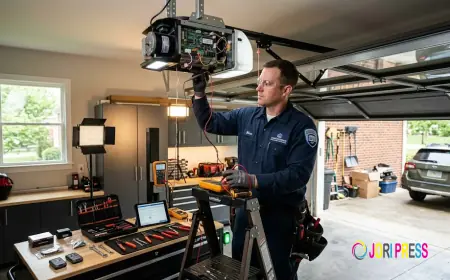




The Importance of Changing Your HVAC Air Filter Regularly
Regular HVAC air filter changes improve airflow, lower energy costs, protect equipment, and help maintain cleaner indoor air throughout the year.

An overlooked, dirt-clogged air filter is the hidden source behind a massive percentage of home heating and cooling system failures. When dust, pet hair, and airborne debris choke off the airflow inside your return ducts, the entire system must exert twice the effort to push conditioned air through your living spaces. This extreme physical strain frequently causes the blower motor to overheat or the cooling coils to freeze over completely during severe weather spikes. Instead of rushing to call an expensive emergency hvac company Denver families contact when their unit stops working, homeowners can resolve this problem ahead of time. Spending a few moments to swap out this basic component on a consistent schedule keeps your equipment running smoothly and prevents sudden breakdowns.
How a Simple Filter Protects Your Mechanical System
Many people believe that the primary job of a residential air filter is to clean the air inside the rooms for human health. While modern filters do help catch microscopic dust particles, their main engineering purpose is actually to shield the internal mechanical components of your furnace and air conditioner from getting coated in debris.
The Problem of Dust Accumulation
Your home HVAC setup relies on complex parts like metal fan blades, sensitive electrical sensors, and intricate heat exchangers to manage your indoor climate. If you operate your system without a clean filter screen, a thin layer of fine gray grime will slowly coat every single internal surface.
According to data tracked by the dynamic home energy division of the US Department of Energy, a mere fraction of an inch of dust buildup on an indoor blower motor or cooling coil can reduce overall operating efficiency by up to 10 percent because the metal cannot transfer heat properly.
Total System Suffocation
Think of your heating and cooling equipment like a pair of human lungs. It needs to breathe in a specific volume of air from the house, change its temperature, and then exhale that comfortable air back into your rooms.
When you leave a single filter inside the slot for an entire year, it acts like a thick plastic wall blocking the intake. The motor tries harder and harder to suck air through the blockage, which rapidly spikes the internal temperature of the equipment and causes the safety switches to trip.
The Financial Impact on Your Monthly Utility Bills
Leaving a dirty filter in place does more than just threaten the physical health of your machinery; it also has a direct, negative impact on your household bank account every single month.
Wasted Electricity and Gas Fuel
When your heating and cooling unit has to work harder due to a blocked airflow pathway, it has to run for significantly longer cycles to reach the temperature setting on your wall thermostat. A cycle that should normally take fifteen minutes might stretch out to forty-five minutes.
The indoor climate experts at the building science department of the Environmental Protection Agency have shown that consistently replacing a dirty, restrictive filter with a fresh one can drop your monthly cooling and heating electricity usage by anywhere from 5 to 15 percent.
Premature System Lifespan Shortening
An average residential HVAC system is built to last for roughly fifteen to twenty years if it receives proper care. However, when a system is forced to run extended cycles under constant high pressure for years at a time, its lifespan drops dramatically. The parts wear down long before their expiration date, forcing you to buy a whole new multi-thousand-dollar replacement system years earlier than expected.
Indoor Air Quality and Household Comfort Concerns
Beyond the mechanical and financial consequences, a neglected air filter will eventually turn your living areas into an uncomfortable environment.
The Cycle of Recirculating Grime
Once a filter becomes completely saturated with dust, pet dander, and pollen, it loses its ability to trap any new incoming particles. At that point, the high-pressure air blowing through the system begins to tear loose the accumulated dust from the filter backing. This grime shoots directly out of your supply vents, settling onto your furniture, carpets, floors, and countertops. If you notice that you have to dust your living room tables every single day, your filter is likely long past its prime.
Strange Odors and Constant Stuffiness
When the weather gets humid, the trapped dust inside a dirty filter absorbs moisture from the air. This damp environment creates a great breeding ground for musty odors, mold spores, and mildew. Every time the system clicks on, it will distribute a stale, dirty smell throughout the structure.
Clear Signs Your Filter Needs an Immediate Replacement
You do not have to wait for your system to start making strange noises or stop working to figure out if your filter is full. Your home will give you several subtle clues.
- Discolored vent registers: Look closely at the white metal slatted vents on your ceilings or walls. If you see dark gray rings of dust forming on the drywall around them, your filter is letting dirt pass through.
- The visual light inspection: Slide the filter out of its slot and hold it up directly against a bright shop light or a sunny window. If the fibers are so packed with gray matter that you cannot see any light shining through, throw it in the trash.
- Rising indoor dust levels: An unusual amount of floating particles visible in sunbeams indicates the filtration material is failing.
Choosing the Right Filter Material for Your Home
When you walk down the aisle of a local hardware store, you will see dozens of different filter options with varying price tags. Understanding what these numbers mean helps you make the right choice for your specific equipment.
Understanding MERV Ratings
Filters are rated using a system called the Minimum Efficiency Reporting Value, or MERV. This scale runs from 1 all the way up to 16 for standard residential properties.
-
MERV 1 to 4: These are cheap fiberglass filters that look like thin green or blue spiderwebs. They only catch large lint and hair, offering minimal protection.
-
MERV 5 to 8: These are pleated cotton or synthetic filters. They provide a great balance for most standard homes, trapping dust mites and pollen without restricting the airflow.
-
MERV 9 to 12: These thick premium filters catch tiny particles like pet dander and automobile emissions. They are ideal for people with severe allergies.
Avoid Over-Filtering Your System
It is easy to assume that buying the highest possible MERV rating is always the best move. However, thick medical-grade filters are very dense. If your older residential furnace blower motor is not powerful enough to push air through a dense MERV 13 screen, it will cause the exact same airflow restriction problems as a dirty filter. Check your system manual to see what rating your unit can safely handle.
My Personal Experience with Filter Neglect
Even people who study home maintenance can occasionally forget to check on their own utility spaces when life gets chaotic. I remember returning from an extended summer road trip across the country a couple of summers ago. The weather was intensely muggy, and when we walked into our house, the air felt thick and smelled strangely like an old basement. The air conditioning unit was humming loudly outside, but the air coming out of our bedroom vents felt weak and lukewarm.
I checked the indoor closet and discovered that the entire metal cooling coil box had turned into a solid block of white ice. I had completely forgotten to replace the filter before leaving for our trip, and two months of pet hair from our two dogs had sealed the screen shut.
I turned off the system to let the ice melt and called Mountain Breeze Heating to inspect the unit for permanent damage. The technician was incredibly thorough, checking the electrical draw and clearing out the drain lines. Thankfully, the compressor survived, but the technician reminded me that a simple five-dollar filter swap would have saved me from a stressful, sleepless night in a hot house. Since that visit, I have kept a strict reminder on my phone calendar.
Establishing a Consistent Replacement Schedule
How often you need to replace your filter depends entirely on your specific household situation and lifestyle choices.
The General Rules of Thumb
If you live alone in a home with no pets, a standard pleated filter can easily last for ninety days before it needs to be replaced. However, if you share your home with multiple cats or dogs, their shedding hair and dander will clog the material much quicker. Pet owners should check their filters every thirty days without fail.
Easy Habits to Remember
An easy trick to make sure you never forget this task is to write the exact date of installation directly on the cardboard edge of the new filter frame with a black marker before you slide it into place. That way, whenever you open the access door, you can instantly see exactly how many months the current unit has been in service.
Keep Your Air Clean and Your Machinery Safe
Taking care of your heating and cooling equipment does not require advanced mechanical knowledge or expensive professional tools. By making a simple commitment to inspect your air filters once a month and sliding in a fresh replacement whenever they look dirty, you can avoid 80 percent of common system failures. You will enjoy lower monthly energy costs, a cleaner indoor environment, and the total confidence that your home system will keep your family safe during the harshest seasons of the year.
What's Your Reaction?
 Like
0
Like
0
 Dislike
0
Dislike
0
 Love
0
Love
0
 Funny
0
Funny
0
 Angry
0
Angry
0
 Sad
0
Sad
0
 Wow
0
Wow
0