






































The Future of CPVC Solutions in Modern Construction

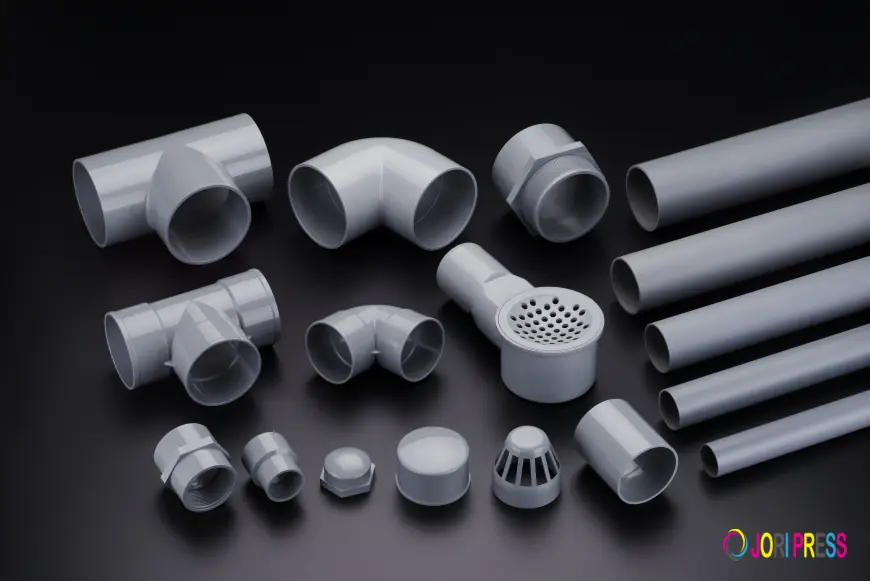
The construction industry has evolved rapidly over the past decade, and material innovation has played a big role in shaping this transformation. Among the many options available today, CPVC has emerged as one of the most reliable and efficient choices for plumbing and industrial applications. Its durability, temperature resistance, and ease of installation have made it a preferred material for professionals who want long-term performance and low-maintenance systems.
This blog explores the growing significance of CPVC, why it continues to dominate modern projects, and how it compares to other piping materials. You will also learn about its key advantages, applications, installation guidelines, and future relevance in sustainable construction. The goal is to offer an informative, professional, and readable guide that helps anyone understand the complete picture of CPVC in today’s built environment.
Understanding CPVC and Its Core Strengths
CPVC, or chlorinated polyvinyl chloride, is a thermoplastic piping material designed to handle both hot and cold water systems. It performs exceptionally well under high temperatures, making it suitable for residential, commercial, and industrial settings.
One of the biggest strengths of CPVC is its resistance to corrosion. Metal pipes may rust or react with water and chemicals over time, but CPVC remains stable and unaffected. This makes it ideal for long-term installations where reliability is a priority.
Additionally, CPVC does not scale or pit. Many materials suffer from gradual deposit buildup, which eventually affects water flow. With CPVC, the internal surface remains smooth, ensuring consistent performance for years.
Why CPVC Has Become a Preferred Material Today
The rise in the adoption of CPVC across different sectors is not a coincidence. Several industry-specific needs have highlighted its relevance.
Long-Term Performance
Professionals often prefer systems that require minimal maintenance. CPVC offers a long service life when installed correctly. This reduces long-term costs associated with repairs or replacements.
High Temperature Handling
Unlike materials that soften under heat or deform under pressure, CPVC is engineered to tolerate elevated temperatures. This quality is especially important in commercial kitchens, hotels, industrial plants, and multi-storey buildings.
Ease of Installation
Working with CPVC is simple and quick. It can be cut, joined, and assembled with minimal tools. The installation process reduces labor time and minimizes the chances of human error, as the system is designed for precision and reliability.
Safety and Water Quality
Another compelling factor is its ability to maintain water purity. CPVC does not react with disinfectants or additives commonly used in water treatment. As a result, it helps preserve the natural taste and quality of water.
Key Advantages of Using CPVC in Construction
Below are some of the most significant benefits that make CPVC a strong competitor in the market:
Corrosion-Free Performance
Metals can corrode, degrade, and contaminate water. CPVC remains chemically stable and ensures that water never gets exposed to rust or metallic particles.
Low Thermal Conductivity
Heat loss is minimal in CPVC systems. Since it does not conduct heat easily, it keeps hot water hotter for longer and reduces energy consumption.
Cost-Efficiency
Compared to many other materials, CPVC offers a much more cost-effective solution without compromising performance.
Noise Reduction
Water hammer and pipe vibration are common concerns in plumbing systems. CPVC naturally absorbs sound and reduces noise during high-pressure flow.
Compatibility
CPVC works well with a range of fittings, valves, and connectors, allowing easy integration into existing plumbing layouts.
Common Applications of CPVC in Modern Projects
The versatility of CPVC allows it to be used in a wide range of environments. Some of the most common applications include:
Residential Hot and Cold Water Systems
Homeowners and builders prefer CPVC for water networks because of its reliability and durability.
Commercial Buildings
Hotels, restaurants, office buildings, and retail spaces use CPVC for consistent performance and ease of maintenance.
Industrial Facilities
In industries that handle chemicals or high-temperature liquids, CPVC remains a stable and safe choice.
Fire Sprinkler Systems
Due to its heat resistance and structural strength, CPVC is widely used in fire protection systems.
CPVC vs Alternative Materials
When choosing piping materials, many compare CPVC to alternatives like copper, PPR, and PVC. Here’s how it stands out:
CPVC vs Copper
Copper pipes may look appealing, but they are expensive, prone to theft, and susceptible to corrosion. CPVC does not corrode, is more cost-effective, and offers easier installation.
CPVC vs PPR
PPR can handle high temperatures but requires equipment-based fittings. CPVC provides equal performance with simpler installation and stronger chemical resistance.
CPVC vs PVC
PVC is suitable for cold water, whereas CPVC is designed for both hot and cold water systems. This makes it more versatile and reliable.
Installation Guidelines for Long-Lasting CPVC Performance
To ensure the best results with CPVC, proper installation practices are essential.
Accurate Cutting
Pipes should be cut cleanly with no rough edges. Smooth edges ensure tight and secure joints.
Correct Solvent Application
The right solvent cement ensures leak-free joints. Even application is crucial for strong bonding.
Allowing Proper Cure Time
Before water flow begins, joints must be allowed to cure completely. This step ensures maximum strength.
Protection During Storage
Pipes should be kept away from excessive heat and direct sunlight before installation to maintain structural integrity.
How CPVC Supports Sustainable and Modern Construction
Sustainability is a big focus in today’s building environment. CPVC supports this goal by offering:
Energy Efficiency
Its low thermal conductivity reduces energy usage in hot water systems.
Longer Lifespan
The durability of CPVC means fewer replacements, resulting in less material waste.
Minimal Chemical Interaction
Because CPVC does not react with water, it reduces potential contamination and preserves quality.
The Future of CPVC in the Construction Industry
As the demand for long-lasting, reliable, and safe piping materials increases, the future of CPVC looks strong. Several trends indicate its continued rise:
-
Greater acceptance in large-scale commercial and industrial projects
-
Advancements in manufacturing technology
-
Increased awareness of its benefits among builders
-
Growing interest in sustainable construction materials
Its versatility ensures that it will remain relevant across multiple sectors.
Conclusion
CPVC has established itself as one of the most dependable and high-performing materials in modern construction. Its corrosion resistance, temperature tolerance, ease of installation, and long-term reliability make it ideal for residential, commercial, and industrial environments. As sustainability becomes a priority and builders continue to seek cost-effective yet durable solutions, the future of CPVC looks brighter than ever.
Choosing the right material can significantly impact the quality and lifespan of any project, and CPVC continues to prove why it remains a trusted choice across the industry.
What's Your Reaction?
 Like
0
Like
0
 Dislike
0
Dislike
0
 Love
0
Love
0
 Funny
0
Funny
0
 Angry
0
Angry
0
 Sad
0
Sad
0
 Wow
0
Wow
0