




































The Future of Colorado Roofing: Materials & Technologies to Watch in 2026

Colorado roofing is entering a new era in 2026—one shaped by harsher weather patterns, rising insurance scrutiny, and rapid innovation in materials and installation technology. What once worked reliably for decades is no longer enough in a state known for hailstorms, snow load, high winds, and intense UV exposure. As a result, homeowners and contractors alike are rethinking how roofs are built, evaluated, and maintained.
Looking ahead, several key materials and technologies are defining the future of roofing across Colorado.
Impact-Resistant Materials Are Becoming the Baseline
One of the most noticeable shifts in 2026 is that impact-resistant roofing is no longer viewed as an upgrade—it’s becoming the standard. With Colorado consistently ranking among the top states for hail-related insurance claims, homeowners are increasingly choosing Class 4-rated materials designed to absorb impact without cracking.
Modern impact-resistant asphalt shingles, composite roofing, and metal systems are engineered to handle repeated hail events while maintaining structural integrity. These materials reduce repair frequency, extend roof lifespan, and often qualify homeowners for insurance premium reductions, making them both a protective and financial decision.
Metal Roofing Continues to Gain Momentum
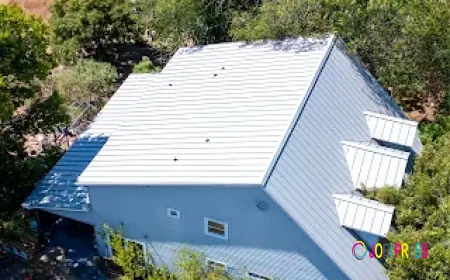
Metal roofing is no longer limited to rural or commercial properties. In 2026, it’s becoming a mainstream residential choice throughout Colorado due to its longevity and weather performance.
Metal roofs offer:
-
Exceptional resistance to hail and wind
-
Superior snow-shedding capabilities
-
Long lifespans often exceeding 50 years
-
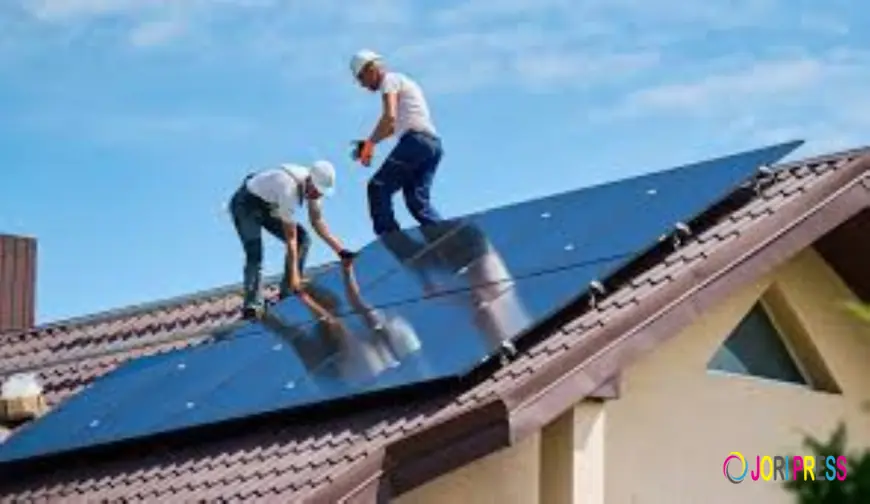
Compatibility with solar and energy-efficient systems
Standing seam and stone-coated metal profiles are especially popular, combining durability with modern curb appeal.
Composite Roofing Bridges Performance and Design
Composite and synthetic roofing materials are rapidly evolving. Made from advanced polymers and recycled components, these systems replicate the appearance of slate, tile, or wood shake while delivering enhanced durability.
In Colorado’s climate, composite roofing performs well because it:
-
Absorbs hail impact without cracking
-
Resists UV fading and brittleness
-
Handles freeze-thaw cycles effectively
-
Weighs less than natural stone or tile
For homeowners who want premium aesthetics without sacrificing resilience, composite roofing is becoming a top contender in 2026.
Technology Is Transforming Roof Inspections
Roofing technology has made significant strides, and 2026 is seeing widespread adoption of drone inspections, AI-assisted damage analysis, and digital reporting. These tools allow contractors to assess roof conditions more safely and accurately—especially after major storms.
Drone inspections provide detailed aerial imagery, while AI software helps identify damage patterns that may not be obvious during manual inspections. Digital reports give homeowners clear documentation for insurance purposes and long-term maintenance planning.
In storm-prone areas, including parts of the Colorado Springs roofing market, these technologies are becoming an expected part of the inspection process rather than a novelty.
Energy Efficiency and Sustainability Are Rising Priorities
While durability remains the top concern, energy efficiency is playing a larger role in roofing decisions. Homeowners are increasingly interested in:
-
Reflective roofing surfaces that reduce heat absorption
-
Improved attic ventilation systems
-
Roofing materials compatible with solar installations
-
Long-life materials that reduce landfill waste
These considerations not only support sustainability goals but also help manage heating and cooling costs in Colorado’s temperature-extreme environment.
Installation Quality Is Under Greater Scrutiny
As materials and technology improve, installation standards are being scrutinized more closely. In 2026, homeowners are asking detailed questions about wind ratings, underlayment systems, ventilation design, and workmanship warranties.
Contractors who combine high-performance materials with climate-aware installation practices are standing out, while shortcuts and low-bid approaches are increasingly viewed as long-term risks.
Final Thoughts
The future of Colorado roofing in 2026 is defined by smarter materials, advanced technology, and a shift toward long-term value over short-term savings. Impact-resistant systems, metal and composite roofing, tech-driven inspections, and energy-conscious designs are reshaping how roofs are built and evaluated statewide.
As Colorado’s weather challenges continue to intensify, homeowners who embrace these innovations are better positioned to protect their homes, control long-term costs, and stay ahead of whatever the next storm brings.
What's Your Reaction?
 Like
0
Like
0
 Dislike
0
Dislike
0
 Love
0
Love
0
 Funny
0
Funny
0
 Angry
0
Angry
0
 Sad
0
Sad
0
 Wow
0
Wow
0