




































Sea Freight Forwarding: What Really Happens When Your Cargo Crosses Oceans
Learn how sea freight forwarding works, what affects shipping timelines, and how Shikhar Logistics manages global cargo movement.

Sea freight forwarding sounds simple on paper.
Goods move from one port to another. Containers travel by ship. Delivery happens.
But if you’ve ever shipped cargo overseas, you know it’s never that clean.
Delays, paperwork, port congestion, customs questions. This is where sea freight forwarding stops being a service and starts being a skill.
At Shikhar Logistics, this reality is something we deal with daily. And honestly, most clients only see the surface.
Why Sea Freight Forwarding Still Matters So Much
Air freight gets attention because it’s fast.
Road freight feels familiar.
But sea freight is where global trade really lives.
Heavy cargo. Bulk shipments. Long distances. Controlled costs. If you move goods at scale, sea freight forwarding isn’t optional. It’s the backbone.
The thing is, speed isn’t the goal here. Predictability is.
What Sea Freight Forwarding Actually Covers
People often think forwarding means booking a vessel.
That’s only a small piece.
Sea freight forwarding handles planning, documentation, coordination, and problem-solving. Most of the work happens before a container even reaches the port.
And once it sails, the job isn’t over. Not even close.
The Hidden Complexity Behind Every Shipment
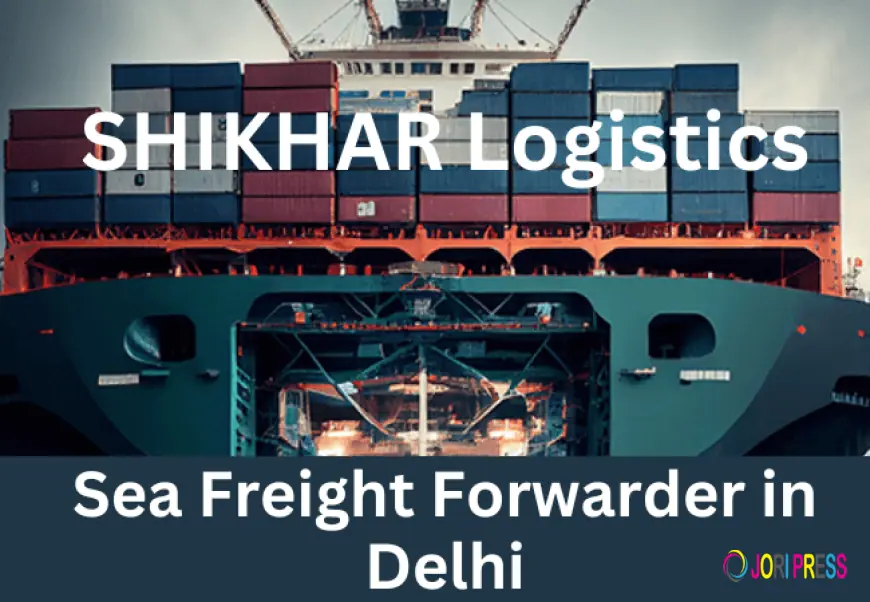
You’ve probably seen a container yard before.
Rows of boxes. Cranes moving nonstop.
Behind each container is a stack of decisions. Which route works best. Which carrier is reliable this season. Which port avoids delays right now.
This is where experience matters more than promises.
How Sea Freight Forwarding Protects Your Timeline
Shipping timelines rarely break because of weather alone.
They break due to poor planning.
Missed documentation. Incorrect container selection. Miscommunication between agents. These things cost days, sometimes weeks.
A strong sea freight forwarding process anticipates these risks early. It’s quiet work, but it saves clients real money.
Full Container Load or Less Than Container Load
This choice shapes everything.
FCL gives control and speed when volumes justify it.
LCL works for smaller shipments but needs careful coordination.
Here’s the funny thing. Many delays happen because LCL shipments aren’t planned well. Consolidation takes time. Deconsolidation takes even longer.
A good forwarder explains this upfront. No surprises later.
Documentation Is Where Most Problems Begin
This part isn’t glamorous.
But it’s critical.
Bills of lading. Packing lists. Commercial invoices. Certificates. One small mismatch can stop cargo cold.
At Shikhar Logistics, documentation isn’t rushed. It’s reviewed. Double-checked. Clarified early.
Because fixing paperwork after sailing is painful. Trust me, this happens a lot.
Customs Is Not a Side Step
Many businesses treat customs as an afterthought.
That’s risky.
Every country reads documents differently. Rules change. Interpretations shift.
Sea freight forwarding works best when customs planning starts before shipping. Not after arrival.
This saves demurrage. It saves stress. It saves relationships.
Why Sea Freight Forwarding Depends on Local Knowledge
Ports behave differently.
So do authorities.
Local insight matters more than systems. A delay in one port might clear quickly elsewhere.
This is why experienced partners matter. Sea freight forwarding isn’t just global. It’s deeply local.
Cost Control Isn’t About Choosing the Cheapest Rate
This surprises many shippers.
The lowest rate often leads to higher costs later. Storage fees. Missed delivery windows. Extra handling.
Real cost control comes from planning routes that work, not routes that look cheap.
This mindset is central to how Shikhar Logistics approaches sea freight forwarding.
Communication Is the Real Service
Ships move slowly.
Silence feels slower.
Clients don’t panic because of delays. They panic because of uncertainty.
Clear updates. Honest timelines. Early warnings. These build confidence even when things shift.
Forwarding isn’t just logistics. It’s reassurance.
Sea Freight Forwarding During Uncertain Times
Global shipping isn’t stable.
Congestion. Rate changes. Policy shifts.
The thing is, uncertainty isn’t new. It’s constant.
What changes is how prepared you are. Strong forwarding plans adapt. Weak ones react late.
That difference shows up fast.
Why Long-Term Shipping Partners Win
Switching forwarders every shipment feels flexible.
But it costs context.
Long-term partners understand your cargo, your seasons, your risks. They notice issues before you do.
Sea freight forwarding improves when relationships deepen. Systems help, but trust helps more.
Real Shipping Isn’t Perfect
Containers get rolled.
Ports get crowded.
The goal isn’t perfection. It’s recovery speed.
A capable forwarder solves problems quietly and quickly. No drama. No blame games.
That’s what clients remember.
How Shikhar Logistics Approaches Sea Freight Forwarding
We don’t overpromise.
We explain trade-offs.
If a route saves money but adds risk, we say it. If a timeline is tight, we flag it early.
Sea freight forwarding works best when expectations are honest from the start.
The Value of Planning Before Booking
Most issues can be avoided before booking.
Cargo readiness. Packaging. Weight accuracy. Transit windows.
Five minutes of planning saves five days of correction later.
This is the mindset behind every shipment we handle.
Why Experience Still Beats Automation
Tools help.
But they don’t replace judgment.
Shipping decisions often rely on patterns, not rules. Experience fills gaps that systems can’t see.
That’s why sea freight forwarding remains human work at its core.
Final Thoughts
Sea freight forwarding isn’t just about moving cargo.
It’s about reducing uncertainty.
When done right, shipments feel predictable even in unstable conditions. That’s the real value.
If you’re planning international shipments, ask better questions. Choose partners who explain, not just quote.
That difference shows up long after the ship sails.
What's Your Reaction?
 Like
0
Like
0
 Dislike
0
Dislike
0
 Love
0
Love
0
 Funny
0
Funny
0
 Angry
0
Angry
0
 Sad
0
Sad
0
 Wow
0
Wow
0