


































Panchakarma: Ancient Healing for Modern Wellness
Discover Panchakarma, Ayurveda's powerful five-step detoxification therapy that cleanses toxins, balances doshas, and rejuvenates body and mind.
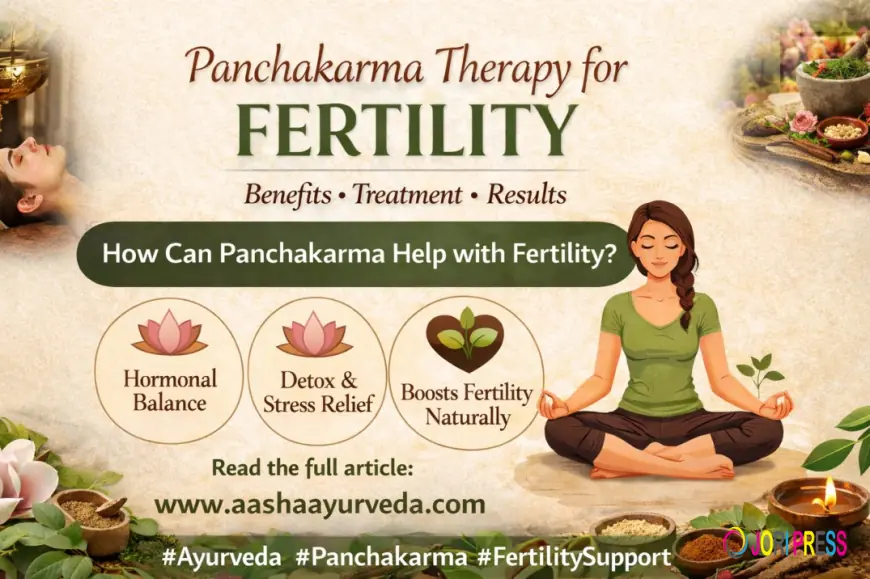
In our fast-paced modern world, the ancient wisdom of Ayurveda offers a profound path to healing and rejuvenation. At the heart of this 5,000-year-old system lies Panchakarma, a comprehensive detoxification and rejuvenation therapy that addresses the root causes of imbalance in body, mind, and spirit.
What is Panchakarma?
Panchakarma in ayurveda, derived from Sanskrit words "pancha" (five) and "karma" (actions), is a set of five therapeutic treatments designed to cleanse the body of accumulated toxins, known as "ama" in Ayurveda. These therapies work synergistically to restore balance to the three doshas (Vata, Pitta, and Kapha) and promote optimal health.
The Five Primary Therapies
Vamana (Therapeutic Emesis): A controlled process of induced vomiting to eliminate excess Kapha dosha and toxins from the upper respiratory and gastrointestinal tract. This therapy is particularly beneficial for conditions like asthma, chronic cough, and certain skin disorders.
Virechana (Purgation Therapy): Uses herbal laxatives to cleanse the small intestine, liver, and gallbladder, primarily addressing Pitta imbalances. It's effective for conditions such as skin diseases, digestive disorders, and inflammatory conditions.
Basti (Medicated Enema): Considered the most powerful of all Panchakarma treatments, Basti involves administering herbal decoctions or oils through the colon. It's especially effective for Vata-related disorders, including joint pain, constipation, and neurological conditions.
Nasya (Nasal Administration): Involves administering herbal oils or powders through the nasal passages to cleanse the head and neck region. This therapy addresses sinus congestion, headaches, and mental clarity issues.
Raktamokshana (Bloodletting): A specialized therapy that removes impure blood to treat conditions related to blood toxicity, such as certain skin diseases and inflammatory conditions. This therapy is used less commonly and only when specifically indicated.
The Three Phases of Panchakarma
Panchakarma is not just about the five main procedures. It's a carefully orchestrated process divided into three essential phases:
Purvakarma (Preparatory Phase)
Before the main Panchakarma therapies begin, the body must be prepared through Snehana (oleation) and Swedana (sudation). Snehana involves internal and external application of medicated oils or ghee to loosen toxins from deep tissues. Swedana uses steam therapy to open channels and facilitate toxin movement toward elimination pathways.
Pradhankarma (Main Treatment Phase)
This is when the five primary therapies are administered based on individual constitution, health condition, and imbalance type. A qualified Ayurvedic practitioner determines which therapies are appropriate and in what sequence.
Paschatkarma (Post-Treatment Phase)
Following the cleansing procedures, this phase focuses on rebuilding strength and restoring digestive fire. It includes dietary guidelines, herbal supplements, and lifestyle recommendations to maintain the benefits achieved during treatment.
Benefits of Panchakarma
The benefits of Panchakarma extend far beyond simple detoxification. Regular practitioners report improved digestion, enhanced immunity, mental clarity, better sleep quality, glowing skin, increased energy levels, stress reduction, and balanced emotions. Many chronic conditions that don't respond well to conventional treatments show remarkable improvement with Panchakarma.
Who Should Consider Panchakarma?
Panchakarma is beneficial for almost everyone, whether you're dealing with specific health issues or simply seeking preventive care and rejuvenation. It's particularly recommended for those experiencing chronic digestive issues, autoimmune conditions, stress-related disorders, skin problems, joint pain, hormonal imbalances, or those seeking to enhance overall vitality and longevity.
Important Considerations
Panchakarma should always be performed under the guidance of a qualified Ayurvedic practitioner who can assess your constitution and health status. The treatment typically requires a commitment of one to three weeks, though modified versions can be adapted to modern schedules. Certain conditions, such as pregnancy, acute infections, and severe debility, may contraindicate some procedures.
Integration with Modern Life
While traditional Panchakarma requires extended time at specialized centers, modified home-based protocols and weekend intensives have made this ancient therapy more accessible. The key is finding a balance between traditional authenticity and practical implementation in contemporary life.
Conclusion
Panchakarma represents more than a detox program—it's a profound reset for your entire being. In an era of processed foods, environmental toxins, and chronic stress, this ancient practice offers a scientifically grounded approach to deep healing and rejuvenation. By addressing the root causes of imbalance rather than merely suppressing symptoms, Panchakarma treatment empowers you to take charge of your health and experience the vitality that is your birthright.
Whether you're dealing with specific health challenges or simply seeking to optimize your wellness, Panchakarma provides a time-tested pathway to transformation. Consider consulting with a qualified Ayurvedic practitioner to discover how this ancient wisdom can support your modern wellness journey.
What's Your Reaction?
 Like
0
Like
0
 Dislike
0
Dislike
0
 Love
0
Love
0
 Funny
0
Funny
0
 Angry
0
Angry
0
 Sad
0
Sad
0
 Wow
0
Wow
0