










































Natural Rubber vs Synthetic Rubber Sheets: Key Differences
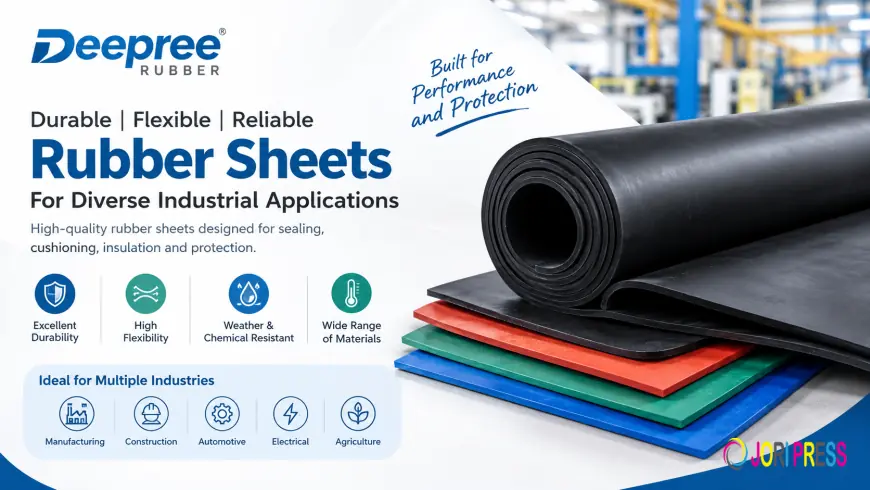
A rubber sheet is a flat layer of natural or synthetic rubber manufactured in different thicknesses, hardness levels and sizes.

Introduction
Rubber sheets are widely used across industries because of their flexibility, durability and ability to protect equipment from wear. From manufacturing plants to construction sites, these materials support several applications, including sealing, insulation, cushioning and surface protection. Choosing the right rubber sheet can help businesses improve equipment performance and reduce maintenance requirements.
Different industrial environments require different rubber sheet materials. Understanding their properties and applications helps buyers select suitable products for their specific needs.
What Are Rubber Sheets?
A rubber sheet is a flat layer of natural or synthetic rubber manufactured in different thicknesses, hardness levels and sizes. These sheets can be cut into specific shapes to create gaskets, protective linings, mats and sealing components.
Depending on the material used, industrial rubber sheets can offer resistance to abrasion, moisture, oils, weather conditions and varying temperatures. Selecting the appropriate grade is important because no single rubber material is suitable for every application.
Common Types of Rubber Sheets
Several types of rubber sheets are available for industrial and commercial use.
Natural rubber sheets: Known for their elasticity and abrasion resistance, natural rubber sheets are suitable for applications involving cushioning, general-purpose lining and vibration control.
Nitrile rubber sheets: These sheets are commonly used in environments where resistance to oils, greases and certain fuels is important. They are frequently considered for industrial gaskets and sealing applications.
Neoprene rubber sheets: Neoprene provides a useful combination of weather resistance and resistance to moderate oil exposure, making it suitable for various general-purpose industrial applications.
EPDM rubber sheets: EPDM is known for its resistance to weathering, ozone and water. It is commonly selected for outdoor sealing and related applications.
Silicone rubber sheets: Silicone rubber offers flexibility across a wide temperature range, depending on the grade. It is used in applications requiring heat resistance and specialised sealing properties.
Each material has distinct advantages, so operating conditions should guide the selection process.
Applications of Industrial Rubber Sheets
Industrial rubber sheets serve several purposes across different sectors. In manufacturing facilities, they can be used to produce gaskets that help prevent leakage between connected surfaces. They are also used as protective linings for equipment exposed to abrasion and impact.
In construction, rubber sheet materials can support flooring, cushioning and sealing requirements. Electrical applications may require specially designed insulating rubber sheets, while machinery installations can use suitable rubber materials to help reduce vibration and protect supporting surfaces.
Rubber sheets are also useful in maintenance operations because they can be cut to the required dimensions. This flexibility makes them practical for replacement components, custom gaskets and equipment protection.
How to Choose the Right Rubber Sheet
Before purchasing a rubber sheet, consider the environment in which it will operate. Exposure to oil, chemicals, sunlight, moisture and high temperatures can influence material performance.
Thickness and hardness are also important. A thinner rubber sheet may suit certain gasket applications, while thicker material may be preferable for cushioning or protective lining. Buyers should also confirm dimensions, required mechanical properties and compatibility with the substances the sheet will contact.
For specialised applications, reviewing technical specifications and consulting a supplier can help prevent premature wear or sealing failure.
Finding Suitable Rubber Sheet Solutions
Choosing a reliable supplier makes it easier to identify the right material for industrial requirements. Dee Pee Rubber offers a range of rubber sheet products for different applications, including natural rubber, nitrile, neoprene, EPDM and silicone options.
Businesses looking for industrial rubber sheets can explore the rubber sheet product range from Dee Pee Rubber to review available options. Comparing product specifications with operating conditions helps buyers make informed purchasing decisions.
Conclusion
Rubber sheets are valuable materials for sealing, cushioning, insulation and equipment protection. Their performance depends on selecting the correct material, thickness and hardness for the intended application.
By understanding the differences between rubber sheet types and evaluating operating conditions carefully, businesses can choose suitable products for their industrial needs. Working with an experienced supplier can further support appropriate material selection and reliable equipment performance.
What's Your Reaction?
 Like
0
 Dislike
0
 Love
0
 Funny
0
 Angry
0
 Sad
0
 Wow
0