







































Improving System Reliability with GE Relay Output Assemblies
Improve turbine system reliability with GE relay output assemblies designed for safe, accurate, and efficient control operations

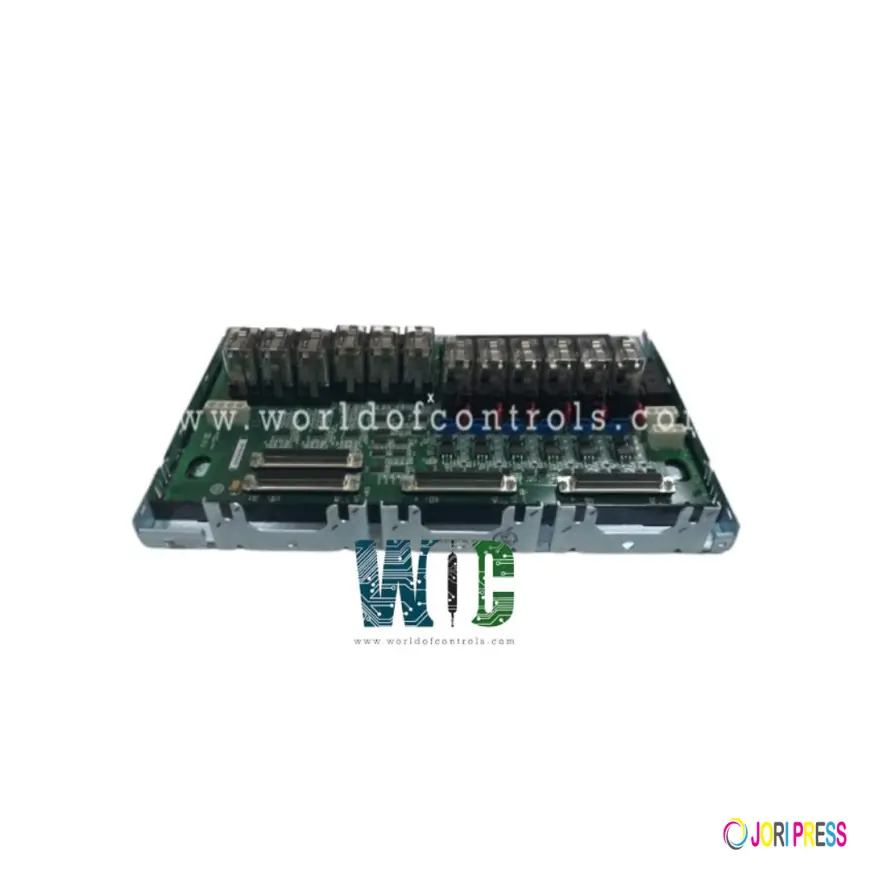
Introduction
Reliability is a cornerstone of turbine operations in power generation, oil and gas, and other heavy industrial sectors. Even minor control system failures can lead to unplanned outages, safety risks, and significant financial losses. Within GE turbine control systems, relay output assemblies play a crucial role in maintaining stable and dependable operations. Though often overlooked, these modules form a vital link between digital control logic and physical field devices.
This article explores how GE relay output assemblies enhance system reliability and why they are essential components in modern turbine control architectures.
Understanding Relay Output Assemblies in Turbine Systems
What Is a Relay Output Assembly?
A relay output assembly is a hardware module designed to convert low-level control signals from a turbine controller into high-power switching actions. In practical terms, it enables the control system to operate field devices such as:
-
Fuel or steam valves
-
Solenoids
-
Circuit breakers
-
Contactors
-
Alarm systems
These assemblies ensure that commands generated by the turbine control processor are accurately executed in the field, maintaining smooth and coordinated operation.
Role in GE Control Platforms
In GE turbine control platforms, relay output assemblies are typically installed within I/O racks and connected to terminal boards. They receive digital commands from the controller and activate relays that switch external circuits. This configuration provides electrical isolation, protects sensitive electronics, and supports safe operation in high-voltage industrial environments.
Integration Within Turbine Control Architecture
Communication with the Main Controller
Relay output assemblies function as part of a broader distributed control system. They interface directly with the main turbine controller, translating logical instructions into physical actions. Whether initiating startup sequences or executing emergency shutdown procedures, these modules ensure that commands are transmitted reliably and without delay.
Connection to Field Devices
Through structured wiring and terminal boards, relay output assemblies connect to field instrumentation and actuators. Their design supports organized cable management and secure connections, reducing the likelihood of loose wiring or signal interference—both common causes of system faults.
Key Ways Relay Output Assemblies Improve Reliability
1. Electrical Isolation and Equipment Protection
One of the most important functions of relay output assemblies is providing electrical isolation between control electronics and high-power field circuits. This isolation protects the control processor from voltage spikes, short circuits, and electrical noise generated by external devices. By preventing fault propagation, the system maintains operational integrity even under abnormal conditions.
2. Robust Industrial Construction
Turbine environments are demanding. Equipment must withstand vibration, heat, humidity, and electromagnetic interference. GE relay output assemblies are engineered for durability, using industrial-grade components and secure mounting designs. This robust construction reduces component failure rates and extends operational lifespan.
3. Support for Redundant System Designs
Modern turbine control systems often employ redundant architectures to ensure continuous operation. Relay output assemblies can be configured within these redundant systems, allowing backup pathways to take control if a primary channel fails. This capability significantly enhances availability in critical applications such as power plants and offshore facilities.
4. Diagnostic and Monitoring Capabilities
Many relay output assemblies incorporate status indicators and diagnostic feedback mechanisms. These features allow operators to quickly identify malfunctioning relays or communication issues. Faster detection leads to quicker corrective action, minimizing downtime and improving overall system reliability.
5. Simplified Maintenance and Replacement
Modular design is another reliability advantage. Relay output assemblies can be replaced individually without disturbing the entire control system. This reduces maintenance time and limits operational disruption. Standardized modules also simplify spare parts management and lifecycle planning.
Impact on Turbine Operations
Reliable relay output performance directly affects key turbine functions, including:
-
Controlled startup and shutdown sequences
-
Activation of protective interlocks
-
Emergency trip commands
-
Auxiliary system management
When these actions are executed precisely and consistently, turbines operate more safely and efficiently. Conversely, unreliable switching can result in misoperations, equipment damage, or forced outages.
By ensuring accurate command execution, relay output assemblies contribute to:
-
Reduced unplanned downtime
-
Enhanced personnel and equipment safety
-
Lower maintenance costs
-
Improved regulatory compliance
-
Greater operational confidence
Conclusion
In turbine control systems, reliability depends on seamless coordination between digital control logic and physical equipment. GE relay output assemblies serve as the critical interface that makes this coordination possible. Through electrical isolation, rugged design, diagnostic support, and compatibility with redundant architectures, these modules significantly enhance overall system stability.
Although they represent only one part of a complex turbine control platform, their impact is substantial. For turbine operators seeking improved uptime, safety, and performance, investing in high-quality relay output assemblies is a fundamental step toward achieving long-term reliability.
What's Your Reaction?
 Like
0
Like
0
 Dislike
0
Dislike
0
 Love
0
Love
0
 Funny
0
Funny
0
 Angry
0
Angry
0
 Sad
0
Sad
0
 Wow
0
Wow
0