




































How to Transform Your Metal Barn into a Multi-Purpose Workspace
Learn how to transform your metal barn into a multi-purpose workspace with smart planning, layout zoning, insulation, utilities, and future-ready upgrades.

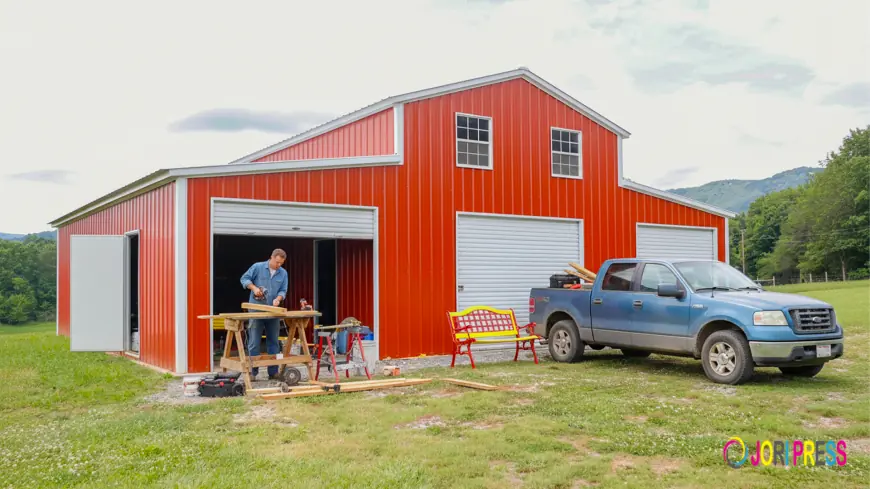
Many people initially install steel barns for ranching and hay storage, but later, when they choose another profession, the barn seems useless. Likewise, some have to install a new building for more space while having a prefab installed on their property. There is a better solution: "Transformation." Yes, by doing so, you can use the space for various purposes.
For example, you want a workshop and a creative studio; both can work under one roof.
But do not rush the process. Plan everything and move ahead step by step without any rush. We are going to walk you through the complete journey of turning a metal barn into a multi-purpose workspace, one clear stage at a time.
Stage 1: Evaluate Your Existing Metal Barn Structure
Before making any changes, it's important to understand what you are starting with. Every metal barn is different in terms of size, height, layout, and structural strength. Skipping this step can lead to design mistakes, safety issues, or unnecessary expenses later. A proper evaluation helps you plan realistically and avoid surprises. This stage sets the foundation for everything that follows.
Understanding Your Barn's Size, Height, and Layout
Start by measuring the total usable floor space inside the barn. Pay attention to ceiling height, wall spacing, and door placement. These elements determine what kind of activities the space can support. A tall structure, such as a vertical steel barn, offers more flexibility for storage, equipment, or overhead installations. So, understanding the physical limits of your barn helps you visualize what's possible and what's not.
Identifying Structural Strength and Load Capacity
Next, assess how much weight the structure can safely support. This is especially important if you plan to install heavy machinery, storage racks, or suspended lighting. Check the condition of the walls, roof, and support beams. If the barn was originally built for light use, reinforcements may be required before conversion. Structural safety should always come before aesthetics.
Stage 2: Define Your Multi-Purpose Workspace Goals
Once you understand the structure, the next step is defining how you actually want to use the space. A multi-purpose workspace only works when it's planned with intention. Without clear goals, the barn can quickly become cluttered and inefficient. This stage is about aligning the space with your daily needs and long-term plans.
Choosing Primary and Secondary Uses
Decide what the main purpose of the barn will be. This could be a workshop, an office, a studio, or a storage area. Then identify secondary uses that can share the space without interference. For example, a steel hobby barn often combines creative work, tool storage, and small office tasks. Prioritizing functions helps prevent conflicts between activities.
Planning Zones Instead of One Open Area
Rather than keeping everything in one open space, divide the barn into zones. Each zone should serve a specific function, such as work, storage, or movement. Zoning improves organization and productivity while making the space feel more structured. Even simple visual boundaries can make a big difference.
Stage 3: Design the Interior Layout for Functionality
With clear goals in place, it's time to design how the space will actually function day-to-day. A good layout reduces wasted movement, improves efficiency, and keeps activities from overlapping. This stage focuses on smart placement rather than permanent construction. Flexibility should always be a priority.
Creating Dedicated Work Zones
Use partitions, shelves, or movable dividers to separate different areas. Avoid building permanent walls unless absolutely necessary. This allows you to reconfigure the layout as your needs change. Dedicated zones help maintain focus and reduce noise or clutter spreading across the space.
Ensuring Smooth Workflow and Accessibility
Think about how you will move through the barn while working. Tools, desks, and equipment should be placed logically so tasks flow naturally. Clear walkways improve safety and make the space more comfortable to use. Accessibility becomes even more important when multiple people use the workspace.
Stage 4: Upgrade Insulation and Climate Control
Comfort is essential for any workspace. Without proper insulation and temperature control, a steel structure can become unusable during extreme weather. This stage focuses on making the space livable year-round. A comfortable environment also improves productivity and protects equipment.
Selecting the Right Insulation for a Metal Barn
Insulation options include spray foam, fiberglass, and rigid boards. Each has its own benefits depending on the climate and budget. Insulation helps regulate temperature and reduces outside noise. It also prevents condensation, which can damage tools and materials over time.
Heating and Cooling Solutions for Year-Round Use
Once insulated, consider heating and cooling systems. Fans, heaters, and ventilation units can be added based on how the space will be used. Proper airflow is especially important in workspaces involving machinery or long working hours. Climate control turns a basic barn into a reliable workspace.
Stage 5: Install Electrical, Lighting, and Utility Systems
A multi-purpose workspace needs reliable power and lighting. Poor electrical planning can limit how the space is used and create safety risks. This stage ensures the barn supports both light and heavy activities efficiently. Proper utilities make the space truly functional.
Planning Electrical Outlets Based on Workspace Needs
Plan outlets based on where tools, desks, and equipment will be placed. Different zones may require different power loads. Always consider future expansion when installing wiring. It’s better to have extra capacity than to redo the system later.
Layered Lighting for Different Work Activities
Use a combination of general lighting and task lighting. Bright overhead lights work well for workshops, while softer lighting suits office or creative areas. Good lighting reduces eye strain and improves accuracy. Lighting design plays a bigger role than most people expect.
Stage 6: Choose Flooring That Supports Multiple Functions
Flooring affects comfort, safety, and noise levels. Many metal barns start with bare concrete, which is durable but not always comfortable. This stage focuses on upgrading the floor to support different activities without compromising strength. This is why the right flooring can transform how the space feels.
Evaluating Your Existing Concrete Floor
Inspect the condition of the concrete. Sealing or polishing it can improve durability and reduce dust. If the surface is uneven, you will need to level it. A solid base is essential before adding any flooring layers.
Adding Flooring Layers for Comfort and Durability
Rubber mats, epoxy coatings, or wooden platforms can be added depending on usage. These options reduce fatigue, noise, and vibration. Flooring choices should match the types of work being done in each zone.
Stage 7: Improve Ventilation, Safety, and Accessibility
Safety and air quality are often overlooked but are critical for long-term use. A poorly ventilated workspace can become unhealthy quickly. This stage ensures the barn meets practical safety needs and supports daily operations comfortably.
Ensuring Proper Airflow for a Healthy Workspace
Install vents, fans, or exhaust systems to keep air moving. Good ventilation is especially important if the barn previously served as a livestock metal barn, as lingering odors and moisture may still be present. Clean air improves comfort and focus.
Implementing Safety Measures
Add fire extinguishers, emergency exits, and clear signage. Make sure pathways are wide and unobstructed. Safety planning protects both people and property and should never be treated as optional.
Stage 8: Add Storage and Organizational Systems
Organization is what makes a multi-purpose workspace sustainable. Without proper storage, clutter builds up fast. This stage focuses on keeping tools, materials, and supplies easy to find and easy to store. Good organization saves time and reduces stress.
Vertical and Modular Storage Solutions
Use wall-mounted shelves, racks, and cabinets to free up floor space. Vertical storage is especially helpful in metal barns with high ceilings. Modular systems allow you to expand storage as needs grow.
Reducing Clutter in Shared Work Areas
Assign storage zones for specific activities. Label shelves and containers clearly. This makes it easier for everyone to maintain order and prevents tools from ending up in the wrong place.
Stage 9: Personalize the Workspace Without Compromising Function
A workspace should feel motivating, not cold or purely industrial. Personalization helps create a sense of ownership and comfort. However, it should never interfere with functionality. This stage is about balance.
Balancing Comfort and Productivity
Add seating, rugs, or décor where appropriate. Choose colors that keep the space bright and welcoming. Small personal touches can improve morale without creating distractions.
Creating a Motivating Work Environment
Artwork, signs, or branding elements can make the space feel inspiring. Keep décor minimal and meaningful. The goal is motivation, not visual clutter.
Stage 10: Plan for Future Growth and Maintenance
A well-designed workspace should evolve with your needs. This final stage focuses on longevity and adaptability. Planning ahead saves money and effort in the long run. Metal barns are ideal for this kind of flexibility.
Routine Maintenance for Long-Term Use
Schedule regular inspections for insulation, wiring, and structural components. Keep the space clean and organized. Maintenance ensures the workspace remains safe and functional for years.
Preparing for Expansion or New Uses
Design the layout to make it easy to add new equipment or activities. Modular systems and open zones make future changes simpler. A flexible workspace supports growth without major renovations.
A Transformation That Truly Works
Transforming a metal barn into a multi-purpose workspace is not about quick fixes. It’s about thoughtful planning, smart upgrades, and understanding how the space will be used over time. By following each stage carefully, you can create a workspace that is comfortable, efficient, and ready to grow with you.
With the right approach, a prefab barn becomes more than a structure; it becomes a space that works as hard as you do.
What's Your Reaction?
 Like
0
Like
0
 Dislike
0
Dislike
0
 Love
0
Love
0
 Funny
0
Funny
0
 Angry
0
Angry
0
 Sad
0
Sad
0
 Wow
0
Wow
0