


































How to Manage High Blood Pressure Effectively
Learn effective ways to manage high blood pressure naturally with expert tips on diet, exercise, and lifestyle for better heart health.

Introduction
High blood pressure—also known as hypertension—is one of the most common yet silent health challenges affecting millions worldwide. Often called the “silent killer,” it can go unnoticed for years while gradually damaging your heart, kidneys, and arteries. The good news is that with the right approach, hypertension can be managed and even prevented through simple lifestyle changes.
Whether you’re already diagnosed or want to take preventive steps, understanding how to manage high blood pressure effectively can make a world of difference in your long-term health.
Let’s explore practical, science-backed ways to control your blood pressure and keep your heart strong.
1. Understand What High Blood Pressure Means
Before learning how to manage it, it’s important to know what high blood pressure actually is.
Blood pressure is the force of your blood pushing against your artery walls. It’s measured in two numbers:
-
Systolic pressure (the top number) — pressure when your heart beats
-
Diastolic pressure (the bottom number) — pressure when your heart rests between beats
A normal reading is around 120/80 mmHg. Readings consistently above 130/80 mmHg indicate high blood pressure.
Hypertension is often caused by a mix of genetics, poor diet, stress, lack of exercise, and other health conditions. Knowing your numbers is the first step in controlling them.
2. Maintain a Heart-Healthy Diet
Diet plays a major role in blood pressure management. One of the most effective approaches is the DASH diet (Dietary Approaches to Stop Hypertension), which emphasizes nutrient-rich foods that support heart health.
Here’s what to focus on:
-
Eat more fruits and vegetables: These are rich in potassium, which helps balance sodium levels.
-
Choose whole grains: Brown rice, quinoa, oats, and whole-grain bread are great options.
-
Include lean proteins: Go for chicken, fish, beans, and lentils.
-
Reduce sodium intake: Limit processed foods, canned soups, and snacks high in salt.
-
Cut down on added sugar: Avoid sugary beverages and desserts.
A diet high in fiber and low in saturated fats can significantly lower your blood pressure while improving cholesterol levels.
3. Maintain a Healthy Weight
Carrying extra weight puts additional strain on your heart and arteries, increasing blood pressure. Even losing a small amount—just 5% to 10% of your body weight—can have a measurable impact.
Focus on sustainable lifestyle changes instead of crash diets. Eating balanced meals, staying active, and being consistent will gradually lead to healthy weight loss and better blood pressure control.
4. Stay Physically Active
Exercise strengthens your heart, allowing it to pump blood more efficiently with less effort. This reduces the pressure on your arteries.
Aim for at least 150 minutes of moderate exercise per week, such as:
-
Brisk walking
-
Cycling
-
Swimming
-
Dancing
-
Yoga or stretching
Consistency is key—find activities you enjoy so that exercise becomes a natural part of your routine. Even simple changes like taking the stairs or walking short distances instead of driving can make a difference.
5. Manage Stress Levels
Chronic stress can cause temporary spikes in blood pressure and may encourage unhealthy habits like overeating or smoking. Learning to manage stress effectively is crucial for long-term control.
Try these techniques:
-
Deep breathing exercises to calm your nervous system
-
Meditation and mindfulness to stay centered
-
Spending time outdoors to reset mentally
-
Journaling to express thoughts and emotions
-
Adequate sleep, as lack of rest can elevate stress hormones
Sometimes, underlying health concerns—like hormonal imbalances or fatigue—can also make stress management harder. If you notice symptoms affecting your mood or energy, consulting a gynecologist in Sharjah can help identify possible causes related to women’s health, such as thyroid issues or menopause.
6. Limit Alcohol and Quit Smoking
Alcohol and tobacco both have direct effects on blood pressure. Excessive alcohol intake raises blood pressure, while nicotine temporarily narrows blood vessels, making your heart work harder.
If you drink, limit it to one drink per day for women and two for men. Quitting smoking not only improves heart health but also enhances circulation and lung capacity. Over time, your body begins to repair itself, and your blood pressure gradually stabilizes.
7. Monitor Your Blood Pressure Regularly
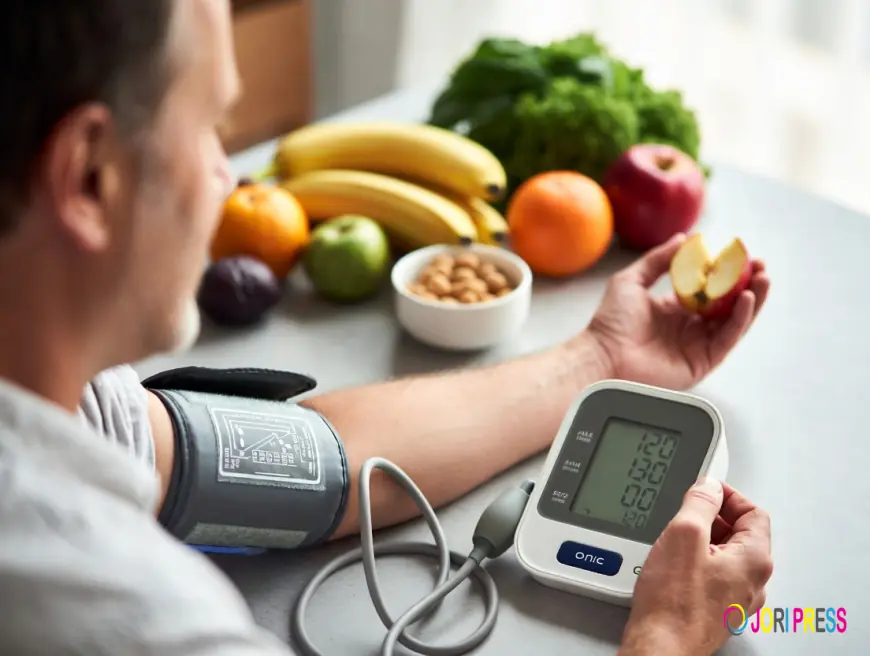
Keeping track of your blood pressure at home helps you stay proactive. Regular monitoring allows you to spot patterns and understand what lifestyle changes are making a difference.
You can use an automatic blood pressure monitor or have it checked during your routine healthcare visits. Maintaining a record helps your doctor adjust your treatment plan more accurately.
8. Take Medications as Prescribed
For some people, lifestyle changes alone may not be enough. In such cases, your doctor may prescribe medication to help manage blood pressure.
Common options include diuretics, ACE inhibitors, calcium channel blockers, or beta-blockers. It’s essential to follow your prescription closely and avoid skipping doses, even if you feel fine. Stopping medication abruptly can cause sudden spikes in blood pressure.
If you’re unsure about side effects or medication interactions, always discuss them with your healthcare provider. Open communication ensures safer and more effective management.
9. Get Enough Quality Sleep
Sleep is often overlooked but plays a vital role in regulating blood pressure. Poor sleep or conditions like sleep apnea can lead to hypertension.
To improve sleep quality:
-
Maintain a consistent bedtime routine.
-
Avoid screens at least an hour before bed.
-
Keep your room cool and dark.
-
Limit caffeine after midday.
Adults should aim for 7–9 hours of restful sleep each night. Good sleep helps regulate hormones and supports a healthy cardiovascular system.
10. Focus on Long-Term Wellness
Managing high blood pressure isn’t a one-time fix—it’s an ongoing commitment to healthier living. The goal is to build habits that sustain your well-being over time.
Some helpful long-term strategies include:
-
Scheduling regular checkups with your healthcare provider.
-
Staying hydrated and maintaining a balanced diet.
-
Being mindful of emotional health and avoiding burnout.
At a gynecology clinic in Sharjah, specialists often emphasize preventive care and holistic wellness, especially for women navigating hormonal changes that can influence blood pressure. Regular screenings and lifestyle guidance can make a big difference in maintaining stability and preventing complications.
11. When to Seek Medical Attention
If you experience symptoms such as severe headaches, chest pain, blurred vision, or dizziness, seek immediate medical care. These could be signs of dangerously high blood pressure (hypertensive crisis).
Regular follow-ups with your doctor are also essential if you have other health conditions like diabetes, kidney disease, or thyroid problems. Addressing these conditions early helps maintain healthy blood pressure levels.
Conclusion
Managing high blood pressure effectively is about balance—balancing your diet, stress, sleep, and daily habits to support your heart and body. The sooner you take action, the better your chances of preventing serious complications like heart disease or stroke.
Start small, be consistent, and celebrate your progress along the way. Remember, maintaining good health is a journey, not a race. Whether it’s through healthier eating, regular exercise, or mindfulness, each step brings you closer to a stronger, healthier version of yourself.
Your body gives you signals—listen to them, care for them, and stay committed to lifelong wellness with guidance from the best gynecologist in Sharjah or other trusted healthcare professionals in your area.
What's Your Reaction?
 Like
0
Like
0
 Dislike
0
Dislike
0
 Love
0
Love
0
 Funny
0
Funny
0
 Angry
0
Angry
0
 Sad
0
Sad
0
 Wow
0
Wow
0