










































How to Coordinate Bridal and Groom Preparation Schedules for a Multi-Day Indian Wedding in Bahrain?
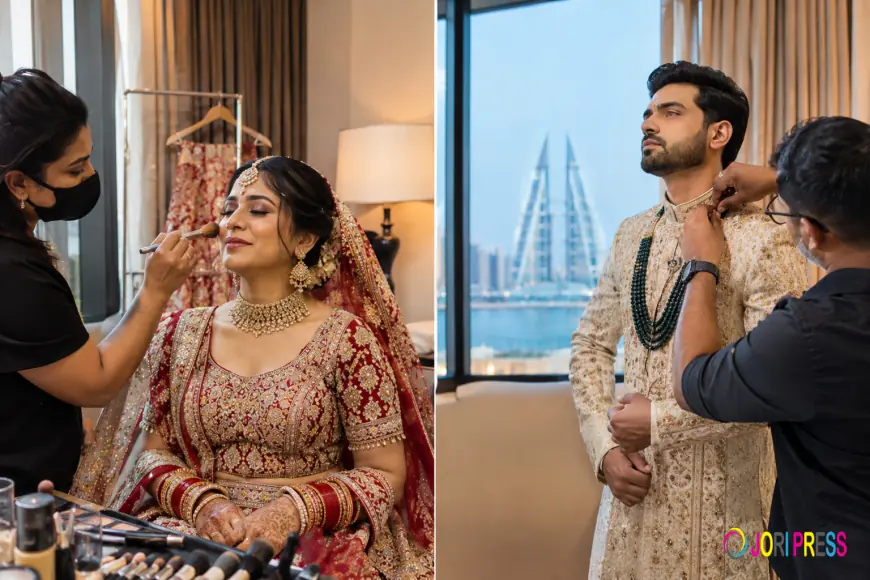
A Destination Wedding in Bahrain often includes several celebrations across multiple days, such as Haldi, Mehendi, Sangeet, the wedding ceremony and reception. While couples spend considerable time selecting outfits, venues and decorations, coordinating their preparation schedules is equally important.
The bride may need several hours for makeup, hairstyling, jewellery and outfit preparation, while the groom may have separate grooming, dressing and photography requirements. When both families are staying at different hotels or using multiple preparation rooms, even small timing differences can affect the wedding schedule.
Without proper coordination, the bride may arrive late for a ceremony, the groom may miss a scheduled photography session or vendors may have to wait for the couple to get ready.
The best approach is to create a shared preparation plan that gives both partners enough time to get ready, enjoy each function and attend important wedding moments without unnecessary pressure.
Here are practical ways to coordinate bridal and groom preparation schedules for a multi-day Indian wedding in Bahrain.
1. Create a Separate Preparation Schedule for Every Wedding Function
The first step is to prepare a day-by-day schedule for the bride and groom.
Different wedding functions require different outfits, styling arrangements and preparation times. A Haldi ceremony may involve lightweight clothing and minimal makeup, while the wedding ceremony may require elaborate jewellery, hairstyling and traditional attire.
Prepare separate schedules for:
Haldi Ceremony: Confirm outfits, light makeup, simple hairstyles and the time needed for family photographs.
Mehendi Ceremony: Allow enough time for the bride's henna application, outfit preparation and jewellery selection. Keep additional time available because detailed Mehendi designs can take several hours.
Sangeet Night: Include time for elaborate styling, outfit changes, dance rehearsals and couple photography.
Wedding Ceremony: Plan the longest preparation window for bridal makeup, hairstyling, jewellery, dressing and final photographs. Coordinate the groom's sherwani, turban and accessories separately.
Reception: Allow time for changing outfits, makeup touch-ups, hairstyling adjustments and evening photographs.
Share the final schedule with the wedding planner, makeup artists, stylists, photographers and relevant family members.
2. Start Bridal and Groom Preparations at Different Timings Where Necessary
The bride and groom do not always need to begin getting ready at the same time.
Their preparation requirements can be significantly different, especially on the main wedding day.
For example, the bride may require additional time for:
-
Professional makeup.
-
Hairstyling.
-
Jewellery placement.
-
Lehenga or saree dressing.
-
Dupatta and veil arrangements.
-
Final outfit adjustments.
-
Individual bridal portraits.
The groom may need time for:
-
Showering and grooming.
-
Hair styling.
-
Beard preparation.
-
Sherwani dressing.
-
Turban or safa styling.
-
Accessories and footwear.
-
Groom portraits.
Instead of assigning identical preparation periods, ask each stylist how much time is realistically required.
The wedding planner can then arrange the starting times so that both partners are ready for their scheduled photographs and ceremony entrances.
3. Book Convenient Preparation Rooms at the Bahrain Wedding Venue
Preparation rooms play an important role in a multi-day Indian wedding.
If the bride and groom are staying in different rooms or different hotels, travelling between locations can consume valuable preparation time.
Before confirming the hotel arrangements, ask whether the venue can provide:
A Dedicated Bridal Suite: A private space with sufficient room for makeup artists, hairstylists, family members and outfit preparation.
A Separate Groom Preparation Room: A comfortable room where the groom can get dressed and prepare without unnecessary interruptions.
Adequate Lighting: Suitable natural or artificial lighting for makeup, grooming and photography.
Wardrobe Space: Hanging arrangements for lehengas, sherwanis, suits and other wedding outfits.
Full-Length Mirrors: Useful for checking outfits, footwear and final styling.
Comfortable Seating: Important when several family members and stylists are assisting with preparations.
Convenient Venue Access: Preparation rooms should ideally be close to the function venue to reduce travel time.
Confirm whether the rooms will remain available throughout the required wedding functions.
4. Coordinate Makeup Artists and Hairstylists With the Wedding Schedule
Makeup and hairstyling appointments are among the most important parts of bridal preparation.
A delayed makeup session can affect the bride's outfit change, photography schedule and arrival at the ceremony.
Before the wedding, discuss the complete function schedule with the beauty team.
Confirm:
-
Makeup artist arrival time.
-
Bridal makeup duration.
-
Hairstyling requirements.
-
Hair accessories and extensions.
-
Makeup changes between functions.
-
Touch-up arrangements.
-
Groom grooming requirements.
-
Number of family members requiring professional styling.
For example, the bride may require a different hairstyle for Mehendi, Sangeet, wedding and reception.
Discuss whether the same beauty team will cover every function or whether additional professionals are needed during overlapping preparation periods.
Also keep essential makeup and hairstyling products organised in advance rather than relying on last-minute purchases.
5. Prepare a Separate Outfit and Accessory Kit for Every Function
Outfit preparation becomes complicated when several wedding events take place over consecutive days.
The bride and groom may have different clothing, footwear, accessories and jewellery for each function.
Prepare separate kits and label them clearly.
Bridal outfit kit:
-
Haldi outfit and accessories.
-
Mehendi outfit and jewellery.
-
Sangeet lehenga or gown.
-
Wedding lehenga or saree.
-
Reception outfit.
-
Matching footwear.
-
Dupatta pins and garment fasteners.
-
Jewellery and hair accessories.
-
Makeup touch-up essentials.
Groom outfit kit:
-
Haldi kurta.
-
Mehendi outfit.
-
Sangeet suit or Indo-western outfit.
-
Wedding sherwani.
-
Reception suit or traditional ensemble.
-
Turban or safa accessories.
-
Footwear.
-
Cufflinks and pocket square.
-
Grooming essentials.
Place each complete outfit together so that stylists do not need to search for accessories during preparation.
Assign a trusted person to check the kits before every function.
6. Coordinate Photography Sessions With Preparation Timings
Photography is another important factor when planning the bride's and groom's schedules.
The photographer may need separate sessions for bridal portraits, groom portraits, couple photographs and family pictures.
These sessions should be planned around the preparation schedule rather than added at the last moment.
Consider arranging:
Bridal Portraits: Schedule photographs after the bride's makeup, hairstyling and outfit are complete.
Groom Portraits: Reserve time for sherwani details, turban styling and individual groom photographs.
Couple Portraits: Arrange these after both partners are ready and before the main ceremony, where practical.
Family Photographs: Allocate time for parents, siblings and close relatives.
Function Photography: Allow the photographer to capture important details before guests arrive.
For a destination wedding in Bahrain, also consider travel time between hotel rooms, outdoor locations and event spaces.
Share the complete schedule with the photography team so that no important session is missed.
7. Plan Enough Time for Jewellery and Traditional Outfit Dressing
Traditional Indian wedding clothing often requires additional assistance.
A heavily embroidered bridal lehenga, elaborate jewellery and detailed dupatta arrangements can take considerable time to put together.
The groom may also require assistance with a sherwani, traditional footwear, turban and accessories.
To avoid delays, consider:
-
Completing outfit trials before travelling.
-
Checking all fasteners and hooks.
-
Organising jewellery in labelled boxes.
-
Keeping dupatta pins and safety pins available.
-
Appointing an experienced bridal dresser.
-
Arranging a groom's outfit assistant.
-
Checking footwear before each function.
Do not schedule photographs immediately after dressing without allowing time for final adjustments.
The bride and groom should have an opportunity to check their complete appearance before leaving the preparation room.
8. Assign Family Members to Help Manage Preparation Responsibilities
The bride and groom should not have to manage every preparation detail themselves.
Assigning responsibilities to trusted family members can make coordination easier.
For example:
Bride's Preparation Coordinator: Helps organise outfits, jewellery, makeup appointments and bridal accessories.
Groom's Preparation Coordinator: Checks clothing, footwear, grooming arrangements and turban accessories.
Family Contact Person: Communicates schedule changes to relatives and coordinates family photographs.
Wedding Planner: Manages the overall function timings and coordinates with vendors.
Vendor Coordinator: Confirms when makeup artists, stylists, photographers and other professionals have arrived.
Give each person a clear responsibility instead of allowing several relatives to make separate last-minute changes.
This reduces confusion and gives the couple more time to enjoy the celebrations.
9. Allow Extra Time for Multiple Outfit Changes
Back-to-back wedding functions can create pressure when outfit changes are not planned properly.
For example, a bride may need to change from a Sangeet outfit into a reception ensemble, while the groom may need to replace his Indo-western outfit with a formal suit.
Consider the following steps:
-
Confirm whether the next outfit is ready in the changing room.
-
Arrange accessories before the current function ends.
-
Coordinate makeup and hairstyle adjustments.
-
Keep a private changing space available.
-
Assign someone to handle the previous outfit.
-
Allow time for footwear and jewellery changes.
For the main wedding day, avoid scheduling two elaborate outfit changes too close together.
If functions are scheduled back-to-back, discuss the preparation requirements with the stylist before finalising their timings.
10. Consider Travel Time Between Different Wedding Locations
Some destination weddings use different venues for Haldi, Mehendi, Sangeet and the main wedding ceremony.
When the couple needs to travel between locations, preparation schedules should include realistic journey times.
Consider:
Hotel to Wedding Venue: Allow time for the couple, family and vendors to reach the event location.
Outdoor Locations: Consider the time needed for walking, parking and final preparation.
Separate Family Hotels: Coordinate transportation if the bride and groom are staying at different properties.
Photography Locations: Include additional travel time when couple portraits are planned outside the main venue.
Traffic Conditions: Check the proposed journey and allow a suitable buffer.
Avoid scheduling the bride's preparation so tightly that she has to travel immediately after completing her makeup and outfit.
A practical schedule should include travel, arrival and final touch-up time.
11. Prepare a Daily Breakfast and Refreshment Plan
Long preparation sessions can leave the bride, groom and family members without enough time to eat.
This is particularly important during multi-day Indian weddings, when early preparations may begin several hours before the ceremony.
Plan suitable food and refreshments for both preparation rooms.
Consider:
-
Light breakfast.
-
Fresh fruits.
-
Sandwiches.
-
Nuts and suitable snacks.
-
Drinking water.
-
Tea and coffee.
-
Fresh juices.
-
Special dietary options.
Choose foods that are convenient to eat without creating unnecessary outfit or makeup problems.
Also make sure elderly family members and stylists have access to refreshments during extended preparation periods.
12. Create a Shared Wedding Preparation Timeline
Once the individual schedules are ready, combine them into a single document.
This allows the wedding planner and vendors to understand how the bride's and groom's preparations fit into the overall wedding programme.
Include:
-
Function name and date.
-
Bride's preparation starting time.
-
Groom's preparation starting time.
-
Makeup and hairstyling appointments.
-
Outfit and accessory requirements.
-
Preparation room locations.
-
Photography timings.
-
Travel time.
-
Ceremony entrance time.
-
Assigned family coordinators.
Share the final schedule with everyone involved.
Avoid relying on multiple versions of the schedule. Keep one approved version and communicate any updates to all affected vendors.
13. Prepare a Backup Plan for Last-Minute Delays
Even with careful planning, unexpected issues can affect preparation timings.
For example, a makeup artist may arrive late, a garment may need last-minute alterations or the couple may require additional preparation time.
Prepare alternatives in advance.
Consider:
Backup Makeup Support: Confirm whether another professional can assist if the scheduled artist is unavailable.
Emergency Alteration Kit: Keep safety pins, matching thread, spare hooks and suitable garment tape available.
Backup Accessories: Prepare alternative footwear or essential accessories.
Flexible Photography Schedule: Identify photographs that can be moved if preparation takes longer than expected.
Additional Time Buffer: Avoid scheduling every preparation activity without gaps.
Communication Contact: Assign one person to communicate delays to the wedding planner and relevant vendors.
A backup plan helps prevent one delay from affecting every function.
Multi-Day Indian Wedding Preparation Checklist for Bahrain
Before the wedding celebrations begin, confirm the following:
-
Separate preparation schedules prepared for the bride and groom.
-
Daily function timings finalised.
-
Bridal suite and groom preparation room confirmed.
-
Makeup artists and hairstylists booked.
-
Groom grooming arrangements organised.
-
Separate outfit kits prepared for every function.
-
Jewellery and accessories checked.
-
Photography sessions scheduled.
-
Outfit assistants assigned.
-
Family preparation coordinators appointed.
-
Travel time between locations considered.
-
Food and refreshments arranged.
-
Outfit changes and touch-ups scheduled.
-
Backup arrangements prepared.
-
Final timeline shared with all vendors.
Frequently Asked Questions
1. How should couples coordinate bridal and groom preparation schedules for a multi-day Indian wedding?
Prepare separate daily schedules for both partners, confirm makeup and grooming requirements, organise outfits and accessories, and coordinate photography and ceremony timings through one wedding planner.
2. How early should bridal preparation begin on the wedding day?
The starting time depends on the bridal outfit, makeup complexity, hairstyling, jewellery and scheduled photography. Ask the makeup artist and stylist to recommend a realistic preparation duration and include additional time for final adjustments.
3. Should the bride and groom have separate preparation rooms?
Separate rooms can provide privacy and allow both partners' stylists to work comfortably. Ideally, the rooms should be conveniently located near the wedding venue.
4. Who should manage the bride's and groom's preparation schedules?
The wedding planner should coordinate the overall schedule, while dedicated family members or outfit assistants can manage individual preparation requirements.
5. How can couples manage outfit changes during multiple wedding functions?
Prepare separate outfit kits, organise accessories in advance, reserve suitable changing rooms and schedule enough time for dressing, makeup and hairstyling adjustments.
6. How can couples avoid photography delays during preparation?
Share the preparation schedule with the photographer, allocate separate portrait sessions and avoid scheduling important photographs immediately after the estimated dressing time.
7. What should couples arrange for makeup artists and hairstylists during a destination wedding in Bahrain?
Confirm their arrival timings, number of required professionals, service locations, equipment needs, function-wise styling requirements and any venue access arrangements.
8. How can couples manage last-minute preparation delays?
Keep a time buffer, prepare an emergency alteration kit, appoint a communication coordinator and maintain a flexible photography schedule.
Final Thoughts
Coordinating bridal and groom preparation schedules is an important part of managing a smooth multi-day Indian wedding. From makeup and hairstyling to outfit changes, photography and family responsibilities, every preparation activity should fit into the wider wedding programme.
With thoughtful preparation and clear coordination, the bride and groom can enjoy every celebration without unnecessary rushing, missed photographs or last-minute outfit stress.
What's Your Reaction?
 Like
0
 Dislike
0
 Love
0
 Funny
0
 Angry
0
 Sad
0
 Wow
0