




































How to Choose a Virtual IBAN Provider for Your Business
Learn how to choose a virtual IBAN provider for your business by comparing master account ownership, fund safeguarding, regulatory status, payment rails and fees.
Why the Master Account Matters More Than the Number
A virtual IBAN looks identical to a standard one but is linked to a master account with its own IBAN. The European Banking Authority (EBA) reported in 2024 that senders cannot tell the two apart and that the EU has no settled definition of the term. Who owns the master account, where it is held and which country code the identifier carries therefore shape your protections and how banks treat each payment.
Country codes deserve attention. Some businesses choose a French or German identifier so payers do not refuse a foreign IBAN. The ISO standard describes the code as that of the country where the institution servicing the account resides, and EU authorities have interpreted mismatches differently. Your provider should be able to explain its approach.
If you hold the master account yourself, assigning a virtual IBAN account to each customer is mostly a reconciliation tool. If a payments firm issues the identifier to you, the EBA warned that end users who are not master account holders may lose safeguards PSD2 gives account holders. It further noted that payee-name verification checks can apply unevenly where the payee does not hold the master account. The EBA also found non-EU firms offering worldwide customers identifiers issued by an EU partner, so the legal relationship should be clear. The EU’s proposed Payment Services Regulation would recognise these identifiers with safeguards, but its final text is not yet in force, so verify current rules.
Five Questions to Ask Before You Choose
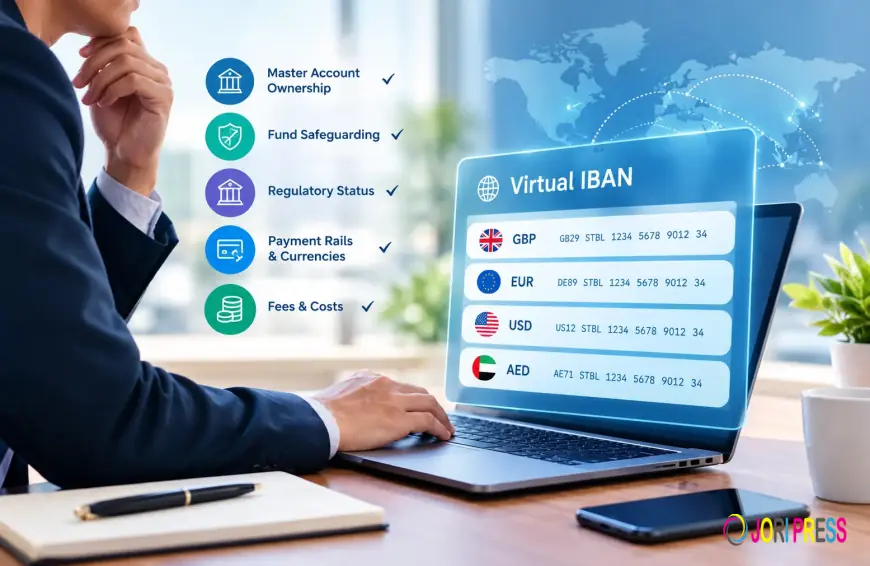
Test every offer of virtual IBAN for businesses against these questions:
-
Who holds the master account, and are you its holder or an end user of someone else’s?
-
Which country code does each identifier carry, and does it match where the master account sits?
-
Where are client funds safeguarded, and which regulator supervises the provider?
-
How is each incoming payment matched to a customer, and can that data reach your accounting system by API or export?
-
Which currencies and local rails, such as SEPA or Faster Payments, are covered, and what do conversions cost?
Ask for the answers in writing and compare them with the provider’s licence or registration. If a provider cannot say plainly who holds the master account, treat that as the answer.
About StableOne
StableOne issues named virtual IBANs in USD, EUR, GBP and AED, with client master accounts for safeguarded funds and named accounts that attribute payments to each customer. It is registered with FINTRAC as a money services business and as a payment service provider under Canada’s Retail Payment Activities Act. Institutional onboarding typically takes 5 to 10 business days, depending on regulatory profile. Confirm coverage and eligibility for your countries and use case before applying.
What's Your Reaction?
 Like
0
Like
0
 Dislike
0
Dislike
0
 Love
0
Love
0
 Funny
0
Funny
0
 Angry
0
Angry
0
 Sad
0
Sad
0
 Wow
0
Wow
0