




































How Rice Bran Oil for Cooking Compares to Other Cold Pressed Oils for Heart Health
Discover how rice bran oil for cooking compares to other oils for heart health. Learn about its benefits, cooking uses, and why it’s the healthiest choice in 2026.

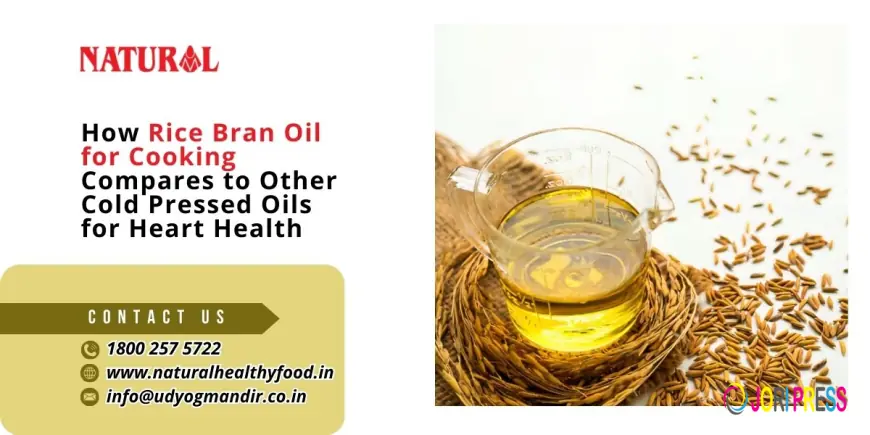
In recent years, the spotlight has shifted towards healthy cooking oils as more people are becoming aware of the connection between diet and heart health. When choosing the right cooking oil, it’s important to consider both the nutritional content and the type of fat it contains. Among the various healthy oils available, rice bran oil has emerged as a top contender. But how does rice bran oil for cooking compare to other cold pressed oils in terms of heart health? In this blog, we’ll explore the heart-healthy benefits of rice bran oil and compare it to other popular oils such as olive oil, sunflower oil, and coconut oil.
What is Rice Bran Oil?
Rice bran oil is extracted from the outer layer of rice grains, known as the bran. It is a light, neutral-tasting oil that is used widely in cooking, especially in Asian cuisine. There are two main types of rice bran oil: natural rice bran oil, which is extracted using a cold-press method, and refined rice bran oil, which goes through additional processing to remove impurities and increase its shelf life.
Natural rice bran oil is particularly rich in monounsaturated and polyunsaturated fats, which are considered heart-healthy fats. These healthy fats help reduce cholesterol levels, lower the risk of heart disease, and improve overall cardiovascular health. Additionally, rice bran oil is rich in antioxidants like oryzanol, which help protect the heart and reduce inflammation.
Rice Bran Oil and Heart Health
Rice bran oil is often touted as one of the healthiest oils for heart health due to its unique composition. The oil is made up of about 47% monounsaturated fats (MUFA), 33% polyunsaturated fats (PUFA), and 20% saturated fats. This balance of fats makes rice bran oil an excellent choice for those looking to improve their heart health.
-
Monounsaturated fats: These healthy fats are known to help lower bad cholesterol (LDL) and increase good cholesterol (HDL), improving overall cholesterol balance. Olive oil, another heart-healthy oil, is also high in monounsaturated fats.
-
Polyunsaturated fats: These fats, particularly omega-3 and omega-6 fatty acids, play a crucial role in reducing inflammation, lowering triglycerides, and improving heart health. Rice bran oil contains a higher amount of polyunsaturated fats than olive oil, making it an excellent choice for those looking to enhance their heart health.
-
Antioxidants: Rice bran oil contains oryzanol, a powerful antioxidant that helps prevent the oxidation of cholesterol, which can lead to the development of heart disease. Oryzanol also helps reduce bad cholesterol levels and inflammation in the arteries, promoting better blood circulation.
Additionally, rice bran oil has a high smoke point (around 450°F or 232°C), making it suitable for high-heat cooking methods such as frying and sautéing. This makes it a versatile option for everyday cooking, without compromising its health benefits.
Comparing Rice Bran Oil to Other Cold Pressed Oils
Rice Bran Oil vs. Olive Oil
Olive oil is often considered the gold standard for heart-healthy cooking oils, particularly extra virgin olive oil, which is packed with monounsaturated fats, antioxidants, and polyphenols. Studies have consistently shown that olive oil can help lower the risk of heart disease by improving cholesterol levels and reducing inflammation.
When compared to rice bran oil, olive oil has a higher proportion of monounsaturated fats and polyphenols, which are excellent for heart health. However, rice bran oil offers a more balanced mix of healthy fats and higher levels of oryzanol, which may make it a better choice for some individuals looking to lower cholesterol levels and reduce oxidative stress.
One significant difference between rice bran oil and olive oil is the flavor. Olive oil has a stronger, more robust taste, while rice bran oil has a neutral flavor, making it more versatile for various dishes, especially when you don't want the oil’s flavor to overpower the dish.
Rice Bran Oil vs. Sunflower Oil
Sunflower oil is another popular cooking oil that is often praised for its high levels of polyunsaturated fats, particularly omega-6 fatty acids. While polyunsaturated fats are essential for heart health, it is important to maintain a balanced intake of omega-6 and omega-3 fatty acids. Excessive omega-6 consumption, especially when not balanced with omega-3s, can contribute to inflammation in the body, potentially increasing the risk of heart disease.
Rice bran oil, in contrast, provides a better balance of omega-6 and omega-3 fatty acids, making it a healthier choice for those focused on heart health. While both oils are rich in polyunsaturated fats, rice bran oil’s unique antioxidant content (oryzanol) gives it an edge over sunflower oil in terms of cardiovascular benefits.
Rice Bran Oil vs. Coconut Oil
Coconut oil has gained significant popularity in recent years, especially due to its high content of medium-chain triglycerides (MCTs), which are rapidly metabolized by the body and used as energy. However, coconut oil is also high in saturated fats, which can raise bad cholesterol levels (LDL) and potentially increase the risk of heart disease when consumed in excess.
Rice bran oil, on the other hand, has a lower saturated fat content and is richer in heart-healthy monounsaturated and polyunsaturated fats. While coconut oil may have its place in certain recipes for its unique flavor and MCTs, rice bran oil is a better overall choice for heart health, as it supports better cholesterol balance and offers additional antioxidant protection.
The Best Rice Bran Oil for Cooking
When purchasing rice bran oil for cooking, it’s important to choose the best product available. Look for natural rice bran oil or virgin pressed coconut oil, which are cold-pressed and retain the highest levels of nutrients. If you prefer a more refined option, refined rice bran oil is also available, though it may have a slightly lower nutrient profile compared to unrefined varieties.
When buying rice bran oil, always check the label for quality assurance and ensure that it comes from a reputable brand. Udyog Mandir - Naturals Healthy Food offers the best rice bran oil for cooking, providing a healthy and affordable option that is perfect for heart-healthy cooking.
Conclusion
Rice bran oil is a top choice for those looking to improve their heart health, offering a well-balanced mix of healthy fats, antioxidants, and anti-inflammatory properties. Compared to other cold pressed oils like olive oil, sunflower oil, and coconut oil, rice bran oil stands out for its unique nutrient profile and heart-healthy benefits. Whether you're frying, sautéing, or using it in your favorite recipes, rice bran oil is a versatile, nutritious option that can help support your overall well-being.
At Udyog Mandir - Naturals Healthy Food, we offer natural rice bran oil that is perfect for your cooking needs. Our oil is cold-pressed to ensure maximum retention of nutrients, providing you with the healthiest option for your kitchen. Contact us today to buy rice bran oil for cooking and enjoy the heart-healthy benefits in every dish.
What's Your Reaction?
 Like
0
Like
0
 Dislike
0
Dislike
0
 Love
0
Love
0
 Funny
0
Funny
0
 Angry
0
Angry
0
 Sad
0
Sad
0
 Wow
0
Wow
0