



































The History of Leather Jackets in British Motorcycle Culture
Explore the fascinating history of leather jackets in British motorcycle culture, from practical post-war riding gear to iconic symbols of rebellion and style. Discover craftsmanship, music influences, and why leather jackets remain essential for bikers today.
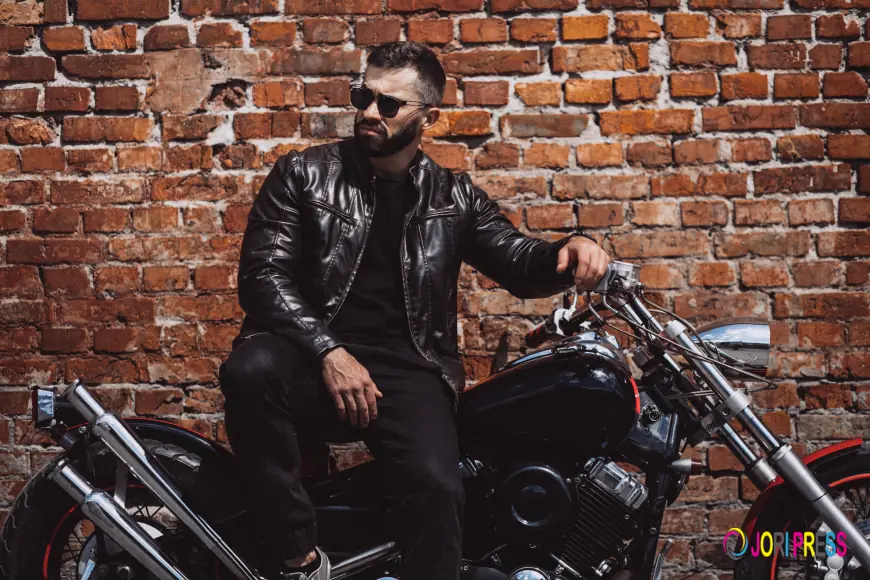
Leather outerwear has deep practical roots in British history, long before it became a symbol of rebellion or style. In the early 20th century, leather garments were valued for their toughness, insulation, and resistance to harsh weather. British roads were rough, motorcycles were basic, and riders needed clothing that could withstand wind, rain, and flying debris. This necessity-driven demand laid the foundation for leather’s enduring role in motorcycle culture.
At the same time, leather designs such as the leather gilet and heavy coats emerged as functional layering pieces, offering warmth without restricting movement. These early garments influenced how riders dressed, prioritising protection and durability over fashion, a mindset that would shape biker identity for decades.
Military and Aviation Influence on Leather Riding Gear
British military and aviation history played a crucial role in the evolution of leather jackets. During World War I and World War II, pilots relied on leather flight jackets for insulation at high altitudes. These garments featured thick hides, reinforced seams, and practical closures, features that naturally translated into motorcycle wear after the wars.
Returning servicemen often adopted similar styles for riding, blending military practicality with civilian freedom. Leather gilet–style layering also allowed riders to adapt to Britain’s unpredictable climate, reinforcing leather’s reputation as the ultimate protective material for the road.
The Post-War Boom and the Rise of British Motorcycling
After World War II, Britain experienced a surge in motorcycle ownership. Affordable bikes became accessible to working-class youth, and motorcycles symbolised independence in a recovering economy. Leather jackets emerged as the ideal riding companion, durable, long-lasting, and cheaper over time than replacing damaged fabric clothing.
Motorcycling quickly became more than transport; it was a lifestyle. Leather jackets represented freedom, self-reliance, and resistance to rigid social norms. Early British motorcycle clubs adopted leather as their unofficial uniform, creating a shared visual identity rooted in toughness and brotherhood.
Mods vs Rockers and the Birth of Biker Identity
The 1960s cemented leather jackets as a cultural symbol through the infamous Mods vs Rockers clashes. While Mods favoured sharp suits and scooters, Rockers embraced motorcycles, rock music, and black leather jackets. This contrast turned leather into a visual marker of rebellion and defiance.
Rockers customised their jackets with studs, patches, zips, and club insignia. Each modification told a personal story, where they rode, who they rode with, and what they stood for. Leather was no longer just protective gear; it became a statement of belonging and attitude.
Leather Jackets as a Cultural Statement
British media played a powerful role in shaping public perception. Newspapers and films often portrayed leather-clad bikers as dangerous outsiders, reinforcing their intimidating image. However, this only strengthened leather’s appeal among youth seeking identity and independence.
As a result, leather jackets shifted from purely functional riding gear to powerful identity markers. They represented confidence, nonconformity, and raw individuality. Society was both fascinated and unsettled by what leather symbolised, freedom that could not be controlled.
Craftsmanship and British Leather Jacket Design
As demand grew, UK-based leather manufacturers began refining jacket construction. British craftsmanship focused on hand-cut hides, heavy-duty zips, reinforced stitching, and tailored fits designed for riding posture. Each jacket was built to endure years of use, weather, and road wear.
Over time, silhouettes evolved, shorter café racer styles, belted designs, and minimalist cuts, but durability remained central. A well-worn leather jacket became a badge of honour, proving miles ridden and experiences earned rather than bought.
Safety Meets Style in Modern Motorcycle Jackets
Modern motorcycle jackets have evolved to meet advanced safety standards without abandoning classic aesthetics. Reinforced seams, impact-resistant armour, and CE-rated protection are now integrated seamlessly into traditional leather designs.
Despite the rise of synthetic alternatives, leather continues to outperform in abrasion resistance and longevity. Riders value the balance between heritage styling and modern protection, choosing jackets that respect tradition while ensuring safety on today’s roads.
Influence of British Music and Pop Culture
British music scenes, from rock and punk to metal, played a major role in expanding leather jackets beyond biker circles. Musicians adopted leather as a symbol of rebellion and authenticity, reinforcing its cultural power.
This crossover brought leather into mainstream fashion, where pieces like the Mens leather Gilet began appearing as lifestyle garments inspired by biker heritage. Music, fashion, and motorcycle culture merged, amplifying leather’s influence across generations.
From Underground Culture to High Street Fashion
As fashion brands adopted biker-inspired designs, leather jackets became widely available on the high street. While this increased popularity, it also diluted cultural meaning. Many mass-produced jackets lacked the craftsmanship, protection, and authenticity valued by true riders.
Experienced bikers can distinguish genuine heritage leather from trend-driven replicas. For them, real leather is defined by function, construction, and the stories it carries, not seasonal fashion cycles.
The Leather Jacket in Contemporary UK Biker Culture
Today, leather jackets remain a staple in British motorcycle culture. The revival of café racer and vintage styles reflects a renewed respect for classic design and craftsmanship. Customisation continues through patches, pins, and natural wear, turning each jacket into a personal archive.
Unlike fast fashion, a leather jacket grows better with age. It adapts to the rider, softens with use, and becomes a lifelong companion rather than a passing trend.
The Enduring Legacy of Leather Jackets in Britain
In modern UK motorcycle culture, leather jackets represent respect for tradition, individuality, and resilience. They honour the past while evolving with new technology and styles. From wartime utility to cultural icon, leather has never lost its identity.
As motorcycles continue to inspire freedom and self-expression, leather jackets remain at the heart of that journey, proving that true heritage does not fade, it rides on.
More Information Visit: realleathergarments.co.uk
What's Your Reaction?
 Like
0
Like
0
 Dislike
0
Dislike
0
 Love
0
Love
0
 Funny
0
Funny
0
 Angry
0
Angry
0
 Sad
0
Sad
0
 Wow
0
Wow
0