






































The Hidden Patterns Behind Low Energy and Burnout
The hidden patterns behind low energy and burnout are explained. Learn how modern habits quietly drain energy and how to restore balance naturally.
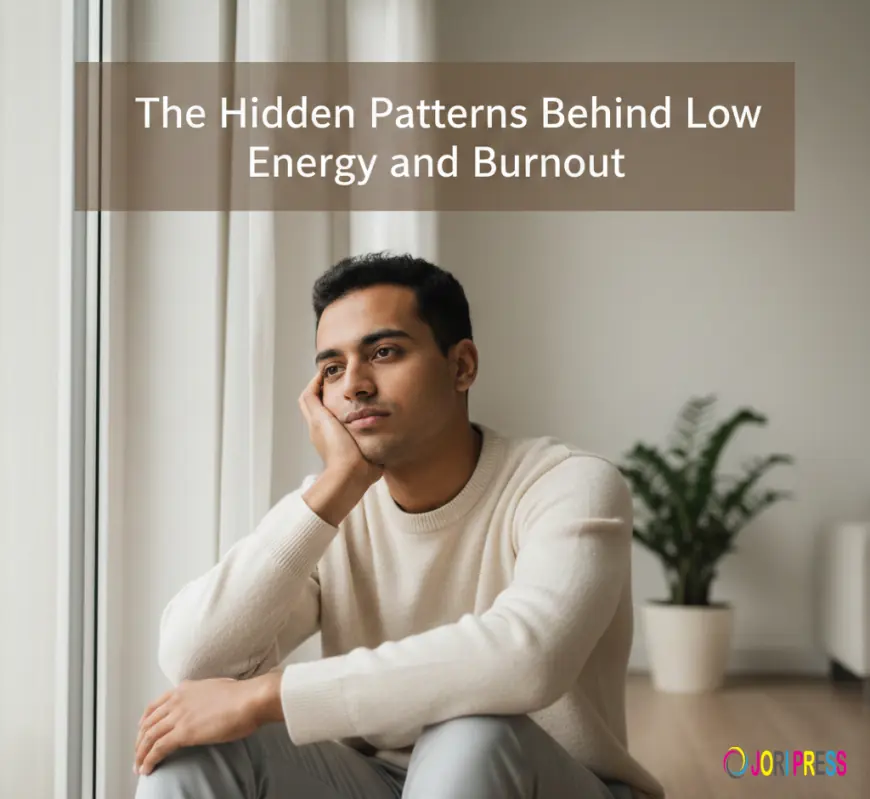
Low energy and burnout have become defining experiences of modern life. Many people feel drained even after a full night’s sleep, struggle to stay focused during the day, and rely on caffeine just to get through routine tasks. What makes this exhaustion confusing is that it often appears without a clear cause. Life may seem manageable on the surface, yet energy remains consistently low.
The truth is that burnout and chronic low energy rarely stem from a single habit. Instead, they develop through hidden patterns—small, repeated behaviors and pressures that slowly wear down the body and mind over time.
The Normalization of Exhaustion
One of the most overlooked contributors to burnout is how normalized exhaustion has become. Feeling tired is often treated as a badge of productivity or a natural part of adulthood. Long work hours, constant availability, and packed schedules are praised, while rest is postponed or minimized.
When fatigue becomes “normal,” early warning signs are easy to ignore. Reduced motivation, slower thinking, irritability, and poor recovery are often dismissed as temporary issues. Over time, this mindset allows burnout to develop quietly, without triggering obvious alarm bells.
Mental Load and Constant Stimulation
Modern life demands constant mental engagement. Emails, messages, notifications, and digital content create a steady stream of information that rarely stops. Even during moments of rest, the mind often remains active—scrolling, planning, or worrying.
This constant stimulation keeps the nervous system in a low-level state of alert. While it may not feel stressful in the traditional sense, it steadily drains mental energy. The brain has fewer opportunities to reset, leading to cognitive fatigue, poor concentration, and emotional exhaustion.
Burnout isn’t always about working too hard; it’s often about never fully disengaging.
Sleep That Doesn’t Restore
Sleep is essential for energy, but not all sleep is equally restorative. Irregular schedules, late-night screen exposure, and overstimulation before bed can interfere with deep sleep cycles. Even if total sleep time seems adequate, poor quality sleep prevents the body from fully recovering.
Over time, this creates a sleep debt that compounds daily fatigue. Hormonal balance, mood regulation, and mental clarity all suffer, reinforcing the cycle of low energy. Many people attempt to fix this with caffeine or sugar, which offers short-term relief but worsens long-term exhaustion.
Subtle Nutritional Gaps
Energy isn’t just about calories—it’s about consistency and balance. Skipping meals, eating irregularly, or relying heavily on processed foods can lead to energy fluctuations throughout the day. These patterns may not cause immediate crashes, but they disrupt stable blood sugar levels and metabolic efficiency.
Hydration also plays a critical role. Mild dehydration often goes unnoticed, yet it can significantly affect focus, and mood. Over time, these subtle deficits add to the overall feeling of being run down.
Stress Without Recovery
Stress itself isn’t always harmful; the body is designed to handle short bursts of pressure. Problems arise when stress becomes constant, and recovery is absent. Without moments of genuine rest—mental, emotional, and physical—the body remains in a prolonged state of tension.
This chronic stress response depletes energy reserves and disrupts sleep, digestion, and immune function. Burnout often develops not because stress exists, but because there is no space for recovery between demands.
The Role of Movement and Stillness
A sedentary lifestyle is another hidden contributor to low energy. At the same time, rest may seem like too little movement can actually worsen fatigue. Regular, gentle physical activity supports circulation, oxygen delivery, and metabolic health, all of which influence energy levels.
At the same time, excessive or intense exercise without adequate recovery can have the opposite effect. Sustainable energy comes from balance—movement that energizes rather than depletes, paired with intentional rest.
Lifestyle Patterns That Accumulate
Burnout is rarely caused by one major decision. It develops through accumulated lifestyle patterns: late nights, skipped breaks, constant connectivity, limited outdoor exposure, and unstructured downtime. Individually, these habits may seem harmless. Together, they create a system that quietly drains energy.
Recognizing these patterns is the first step toward change. Awareness allows for small, realistic adjustments that support long-term vitality rather than temporary fixes.
Rebuilding Sustainable Energy
Recovering from low energy and burnout doesn’t require extreme overhauls. Sustainable change often comes from simple shifts: prioritizing consistent sleep, creating boundaries around work and technology, eating regularly, staying hydrated, and allowing space for mental rest.
Energy is not something to force—it’s something to protect. When daily life supports the body’s natural rhythms, energy gradually returns, focus improves, and burnout loses its grip.
A Healthier Relationship With Productivity
True productivity isn’t measured by how exhausted we feel at the end of the day. It’s reflected in clarity, resilience, and the ability to sustain effort without constant depletion. By identifying the hidden patterns behind low energy and burnout, it becomes possible to redefine success in a way that supports both performance and well-being. For More inquiry Visit our site fildenasrx.com.
What's Your Reaction?
 Like
0
Like
0
 Dislike
0
Dislike
0
 Love
0
Love
0
 Funny
0
Funny
0
 Angry
0
Angry
0
 Sad
0
Sad
0
 Wow
0
Wow
0