



































Ferrite Cylinder Magnet

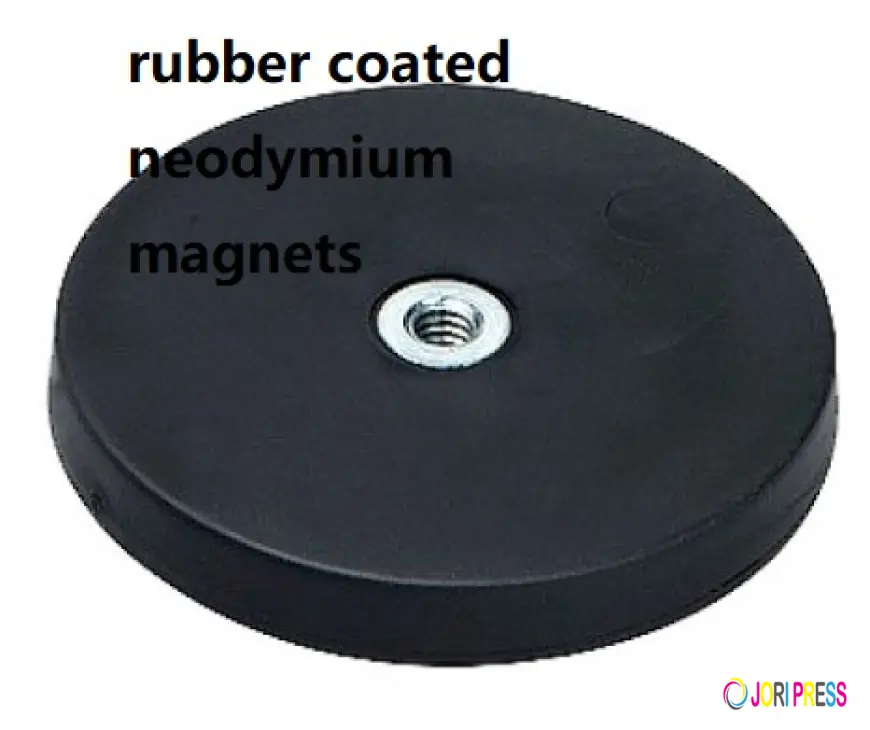
Magnets play an important role in many everyday products, from small electronic devices to industrial fixtures and household accessories. A Ferrite Cylinder Magnet offers a practical option for applications that require dependable magnetic performance and cost-conscious material selection, while a Ceramic Permanent Magnet is valued for its corrosion resistance and suitability for many general-purpose uses. When choosing a Ferrite Cylinder Magnet, manufacturers should consider the dimensions, magnetic strength, operating environment, and installation method. Selecting the right Ceramic Permanent Magnet can help product designers balance performance, durability, and manufacturing costs without making the production process unnecessarily complicated.
Understand the Benefits of Ferrite Materials
Ferrite magnets are commonly manufactured using iron oxide combined with other ceramic materials. This composition gives them useful magnetic properties and makes them suitable for many applications where affordability and environmental stability are important.
Unlike some metallic magnets, ferrite materials generally offer good resistance to corrosion under ordinary conditions. They can therefore be useful in products that encounter everyday humidity, although the final performance still depends on the operating environment and the design of the finished assembly.
Ferrite magnets are also electrically resistive, making them relevant to certain electromagnetic applications. Their performance characteristics differ from those of neodymium magnets, so manufacturers should select materials according to the actual magnetic force, temperature range, and space available in their products.
Select the Right Shape and Dimensions
The shape of a magnet affects how it fits into an assembly and how its magnetic field interacts with nearby components. Cylindrical designs are useful when a product requires a compact round form that can be inserted into a housing, fixture, or dedicated mounting space.
Before ordering, buyers should confirm the outer diameter, height, dimensional tolerances, and magnetization direction. These details can affect installation accuracy and the magnetic behavior of the completed product.
Designers should also consider whether the magnet will be used individually or as part of a larger magnetic system. The surrounding materials, air gaps, mounting structure, and distance from the target object can all influence the final result. Reviewing these factors early helps reduce unnecessary design changes during manufacturing.
Explore Product Options With MLmagnet
Different industries have different magnetic requirements. Household products may need compact magnets for closures or positioning, while industrial equipment may use ferrite components in sensors, fixtures, magnetic assemblies, or other specialized designs.
When evaluating products from MLmagnet, buyers should compare the available dimensions and technical specifications with their application requirements. If a project involves unusual installation conditions or specific magnetic performance targets, providing drawings and measurements can help clarify which configuration is appropriate.
It is also worth discussing production quantities, quality requirements, and packaging needs before placing an order. Clear communication can make the purchasing process smoother and help manufacturers plan their assembly workflows more efficiently.
Consider Temperature and Operating Conditions
Operating conditions are important when selecting any permanent magnet. Temperature changes can influence magnetic performance, and the acceptable range depends on the ferrite grade and the design of the application.
Manufacturers should evaluate the expected temperature, exposure to moisture, mechanical stress, and nearby materials. Although ferrite magnets offer useful corrosion resistance, they are ceramic and can be brittle. Excessive impact, bending forces, or incorrect installation may cause chipping or breakage.
For this reason, a well-designed mounting arrangement is essential. Protective housings, suitable adhesives, and carefully controlled assembly procedures can help reduce mechanical damage. Testing the magnet within the finished product also provides a more realistic picture of its performance than considering material specifications alone.
Improve Product Design Through Careful Selection
A successful magnetic design balances performance, dimensions, cost, and ease of assembly. Choosing a magnet simply because it fits the available space may overlook important factors such as holding force, magnetic orientation, and the influence of surrounding components.
Engineers can improve their selection process by defining performance requirements before requesting samples. Prototype testing can then reveal whether the chosen magnet meets the needs of the finished product under realistic operating conditions.
What's Your Reaction?
 Like
0
Like
0
 Dislike
0
Dislike
0
 Love
0
Love
0
 Funny
0
Funny
0
 Angry
0
Angry
0
 Sad
0
Sad
0
 Wow
0
Wow
0