






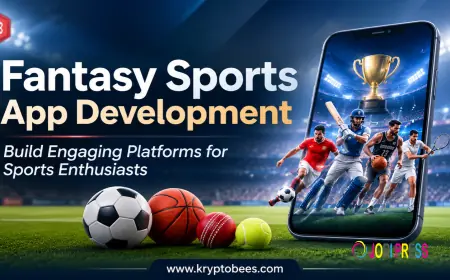

































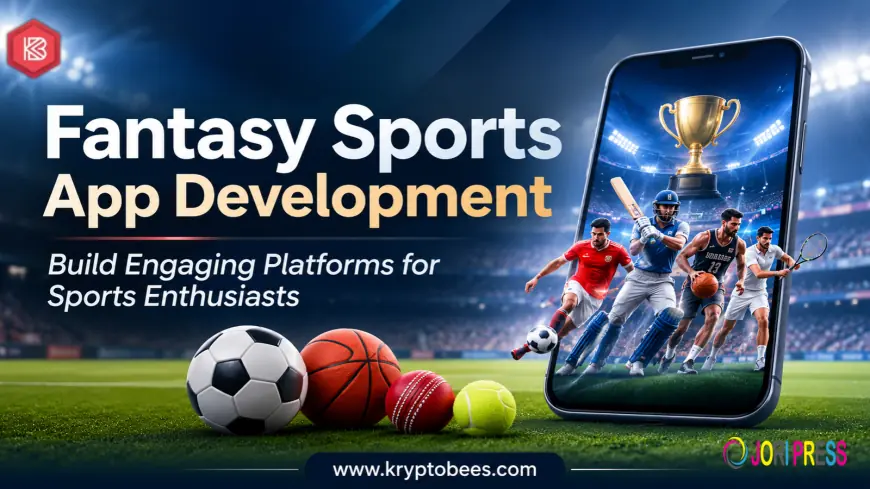
Fantasy Sports App Development for Multi-League Competition Models

Building a Structure for Multiple Fantasy Leagues
Fantasy sports platforms often support several leagues, tournaments, and contest formats through a single application. Each competition may have its own rules, match schedules, player selection limits, and scoring methods. During Fantasy Sports App Development, these differences need to be considered from the beginning so that users can participate in different competitions without facing confusing rules or inconsistent results.
For example, a platform supporting cricket and football must handle their different team structures and match formats. Administrators should be able to create contests, set entry conditions, define team selection limits, and manage deadlines for each league. Keeping these settings separate makes it easier to introduce new tournaments without changing the entire application. It also helps users understand the rules before joining a contest.
Managing Different Scoring Rules and Contest Formats
Scoring is one of the main factors that determines how a fantasy contest works. In cricket, points may depend on runs, wickets, catches, and strike rates. In football, goals, assists, clean sheets, and other player statistics may determine the final score. A platform that uses the same scoring rules for every sport can produce incorrect rankings and create disputes among participants.
The scoring system should allow administrators to configure rules according to each sport and competition. Any rule changes must be documented and applied carefully, especially when contests are already in progress. The application should also verify incoming statistics before updating scores. This helps operators identify calculation errors, explain ranking changes, and maintain consistent results throughout a tournament.
Keeping Player and Match Data Accurate
Accurate sports data is essential for managing player selection, match schedules, and contest results. Fantasy platforms often receive information from external sports data providers, and updates may arrive at different times. If player statistics are delayed or match details are incorrect, users may see outdated scores or select players who are no longer available.
A Fantasy Sports App Development Company can help establish data integration processes that connect external feeds with the platform's internal database. Player profiles, team details, and fixtures should use consistent identifiers to prevent duplicate records. The system must also account for postponed matches, cancelled fixtures, player transfers, and late team announcements. Clear procedures for handling these situations reduce manual corrections and help maintain reliable contest information.
Planning the Technical Structure for Multiple Leagues
A multi-league fantasy platform needs a technical structure that supports different competitions without duplicating the same application functions. Services such as user accounts, contest registration, notifications, payments, and leaderboards can be shared, while sport-specific rules and scoring calculations remain configurable. This arrangement makes future updates easier to manage.
Fantasy Sports Game Development also requires attention to platform performance during major tournaments, when many users may join contests or check live scores at the same time. Database indexing, caching, and background processing can help manage these demands. Developers should also implement access controls and transaction validation where payments or prizes are involved. Before launching paid contests, operators need to review applicable laws, age restrictions, and regional requirements.
Conclusion
Building a multi-league fantasy platform involves more than allowing users to select players and join contests. The application must handle different competition rules, maintain accurate sports data, calculate scores correctly, and manage increased activity during major tournaments. These areas need to work together to provide consistent results and reduce administrative problems.
A well-planned Fantasy Sports App Development process helps align the application's technical structure with its intended competition formats. By establishing clear rules, reliable data handling, and flexible league configurations from the start, developers can make it easier to manage existing tournaments and introduce additional sports as the platform grows.
Contact us for more information:
Phone: +91 6381548050
Mail: business@kryptobees.co
What's Your Reaction?
 Like
0
 Dislike
0
 Love
0
 Funny
0
 Angry
0
 Sad
0
 Wow
0