








































Exploring the Different Types of Cannabis Caviar
Cannabis caviar comes in several varieties, including traditional, kief-covered, live resin, hash oil, and strain-specific types. Each offers distinct textures, aromas, compositions, and potency levels depending on ingredients and production methods.

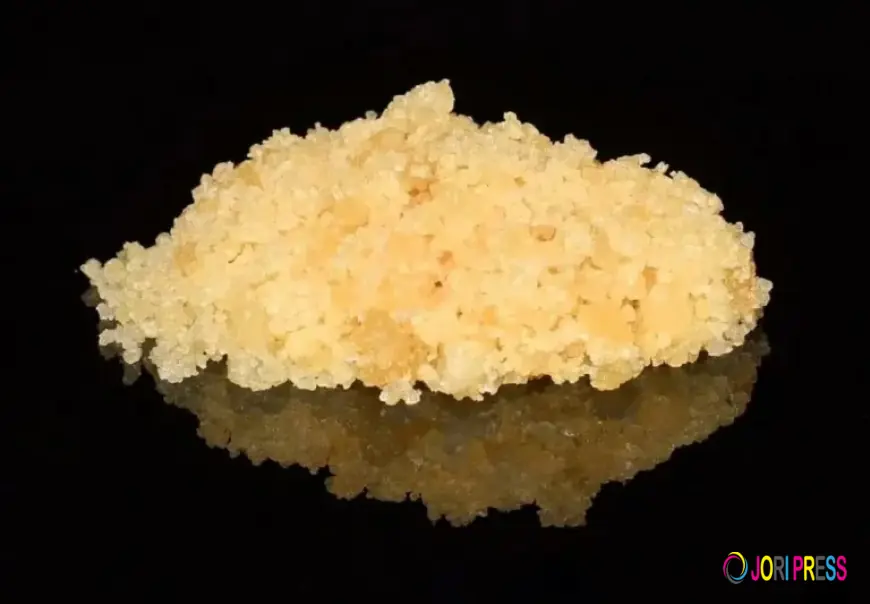
Cannabis caviar is a concentrated cannabis product known for its distinctive appearance, rich aroma, and high potency. It is typically made by coating cannabis flower with cannabis concentrate, such as hash oil or live resin, and sometimes adding kief to create an extra layer of trichomes. The result is a sticky, resinous product that looks different from conventional cannabis flower. Although the term cannabis caviar is often used for coated buds, its exact meaning can vary between producers and markets.
Understanding the different types of cannabis caviar can help readers learn how ingredients, production methods, and textures influence the characteristics of these concentrates.
1. Traditional Cannabis Caviar
Traditional cannabis caviar generally consists of cannabis buds coated with a concentrated cannabis extract. The coating gives the buds a glossy, sticky appearance, making them easy to distinguish from ordinary dried flower.
The concentrate used for the coating can influence the product's aroma, texture, and cannabinoid content. Depending on the formulation, traditional cannabis caviar may feature earthy, herbal, fruity, or diesel-like notes. Its potency can be considerably higher than that of regular flower, so the product should not be judged by appearance alone.
2. Kief-Covered Cannabis Caviar
Kief-covered cannabis caviar features an additional layer of kief, the collection of loose trichomes separated from cannabis plant material. Trichomes contain cannabinoids and aromatic compounds, including terpenes, which contribute to the plant's characteristic scent and effects.
After the buds are coated with concentrate, kief may be added to create a powdery or frosted exterior. This layer can make the product look lighter in colour and give it a more textured surface.
The amount and quality of kief used can affect the final appearance and composition. However, a thicker coating does not automatically indicate better quality or a specific level of potency.
3. Live Resin Cannabis Caviar
Live resin cannabis caviar uses live resin as the coating material. Live resin is a cannabis concentrate commonly produced from fresh-frozen plant material, a process designed to preserve a broader range of aromatic compounds.
This type of caviar is often recognised for its pronounced aroma and flavour profile. Depending on the original cannabis cultivar, it may have citrus, berry, pine, floral, or earthy characteristics.
Live resin products can vary considerably in consistency, from sticky and soft to thicker and more viscous. Their final qualities depend on the source material, extraction process, and storage conditions.
4. Hash Oil Cannabis Caviar
Hash oil cannabis caviar is made by coating cannabis buds with hash oil or another suitable cannabis oil concentrate. The oil forms a glossy outer layer and may make the buds appear darker or more resinous.
Its aroma and composition depend on the starting flower and the oil used. Some varieties have sweet or fruity notes, while others feature stronger earthy or pungent aromas.
Because hash oil formulations differ, products sold under this description may not share identical characteristics. Reliable product information and independent laboratory testing are useful when evaluating cannabinoid content and potential contaminants.
5. Strain-Specific Cannabis Caviar
Another way to classify cannabis caviar is by the cannabis cultivar used to produce it. Different cultivars have distinct combinations of terpenes and cannabinoids, creating varied aromatic profiles.
For example, one variety may have citrus and tropical fruit notes, while another may smell woody, spicy, or herbal. The concentrate used for the coating can complement or change the original flower's aroma.
Strain names alone do not guarantee consistent effects or potency, as growing conditions, processing, and individual product formulations can all make a difference.
Conclusion
The different types of cannabis caviar offer a range of appearances, textures, and aromatic profiles. Traditional caviar, kief-covered varieties, live resin versions, hash oil-coated buds, and strain-specific products are distinguished mainly by their ingredients and production methods. Understanding these differences provides a clearer picture of this specialised cannabis category. Since cannabis caviar can contain highly concentrated THC, consumers should check laboratory-tested product information, follow applicable laws, and understand the risks associated with high-potency cannabis products.
What's Your Reaction?
 Like
0
 Dislike
0
 Love
0
 Funny
0
 Angry
0
 Sad
0
 Wow
0