


























Top Difference Between DTF and Screen Printing for T-Shirts
DTF printing (Direct to Film) is a modern digital printing method that has rapidly gained popularity in the custom apparel industry.

What Is DTF Printing for T-Shirts?
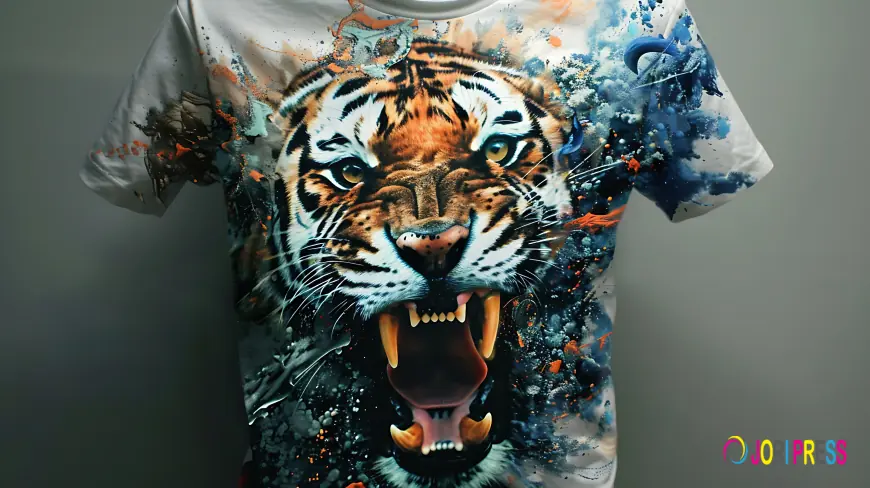
DTF Printing (Direct to Film) is a modern digital printing method designed for flexibility and customization. In this process, designs are printed onto a special PET film using water-based inks. A hot-melt adhesive powder is applied to the wet ink and cured. The final design is then transferred onto a T-shirt using a heat press.
DTF printing does not require fabric pretreatment, which makes it highly efficient for small batches and fast production. It supports full-color artwork, gradients, and complex designs without increasing setup costs.
Fabric Compatibility in DTF Printing
DTF printing works on almost all fabric types, including cotton, polyester, blends, and performance materials. It performs equally well on light and dark-colored garments, making it ideal for businesses offering diverse apparel options.
Because the design sits on top of the fabric while remaining flexible, the final print maintains good stretchability and comfort when worn.
Cost Efficiency and Production with DTF
DTF printing for T-shirts is highly cost-effective for small to medium orders. There are no screens to prepare and no color limitations, which allows businesses to produce one-off designs or short runs without extra expense.
This makes DTF an excellent choice for print-on-demand stores, online apparel brands, and custom merchandise sellers who frequently change designs.
Durability and Wash Performance of DTF Prints
DTF prints are durable when applied correctly. They resist cracking and peeling under normal wear and washing conditions. While not as deeply embedded into the fabric as screen prints, modern DTF inks and adhesives provide strong adhesion and long-lasting results.
For customers seeking flexibility, detail, and customization, DTF printing offers a strong balance between quality and convenience.
What Is Screen Printing for T-Shirts?
Screen printing is a traditional printing method that has been used in the apparel industry for decades. It involves creating a stencil (screen) for each color in a design. Ink is pushed through the screen directly onto the fabric, one color at a time.
This method requires more setup time but delivers extremely consistent and durable results, especially for large production runs.
Fabric and Design Limitations in Screen Printing
Screen printing works best on cotton and cotton-blend fabrics. Printing on polyester or specialty fabrics often requires additional inks or processes, which can increase cost and complexity.
Design-wise, screen printing is most efficient for simple graphics, logos, and text with limited colors. Complex artwork or gradients significantly increase setup time and production cost.

Cost Structure and Scalability of Screen Printing
Screen printing durability and cost efficiency improve as order volume increases. While setup costs are higher due to screen preparation, the cost per shirt drops significantly when printing in bulk.
This makes screen printing ideal for uniforms, event merchandise, promotional apparel, and wholesale orders where designs remain consistent.
Longevity and Professional Finish
Screen-printed designs are known for their longevity. The ink penetrates the fabric fibers, resulting in prints that withstand repeated washing and heavy use. For brands prioritizing long-term wear and premium feel, screen printing remains a trusted solution.
However, frequent design changes can make screen printing inefficient for modern custom-focused businesses.
DTF vs Screen Printing: Practical Comparison
DTF vs Screen Printing is not about which method is better overall it’s about which method is better for a specific use case.
DTF is best for:
-
Custom and personalized designs
-
Small batches and print-on-demand
-
Fast turnaround times
-
Multi-color and detailed artwork
Screen printing is best for:
-
Large-volume orders
-
Simple designs with few colors
-
Maximum durability
-
Lower cost per unit at scale
Many professional print shops successfully use both methods to serve different customer demands.
Which Printing Method Is Best for Your Business?
Best printing method for T-shirts depends on your production goals, customer expectations, and order volume. If your business focuses on customization, speed, and flexibility, DTF printing is the smarter choice. If you handle bulk orders with consistent designs and prioritize durability, screen printing offers better long-term value.
Understanding the strengths of each method allows you to reduce costs, improve efficiency, and deliver better products to your customers.
FAQs: Difference Between DTF and Screen Printing
1. Is DTF better than screen printing for small orders?
Yes, DTF is more cost-effective and faster for small or custom orders.
2. Which printing method lasts longer on T-shirts?
Screen printing generally lasts longer, especially for heavy use and bulk production.
3. Can DTF printing be used on dark T-shirts?
Yes, DTF works very well on both light and dark fabrics.
4. Is screen printing outdated?
No, screen printing is still widely used for bulk and commercial apparel production.
5. Can a business use both DTF and screen printing?
Yes, many successful print shops use both methods to maximize flexibility and profit.
What's Your Reaction?
 Like
0
Like
0
 Dislike
0
Dislike
0
 Love
0
Love
0
 Funny
0
Funny
0
 Angry
0
Angry
0
 Sad
0
Sad
0
 Wow
0
Wow
0