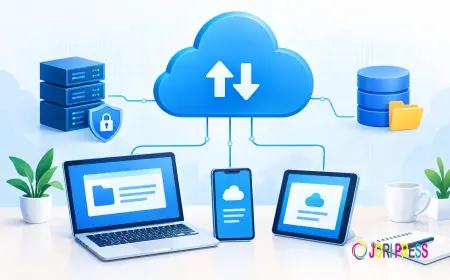




































Data Security Software Your Business’s Digital Shield


In today’s digital world, every file, email, and customer record is a potential target for hackers and insider threats. Data security software acts as your organization’s first line of defense, protecting sensitive information from leaks, theft, and ransomware while keeping operations running smoothly.
What Is Data Security Software?
Data security software refers to a suite of tools designed to protect digital information from unauthorized access, corruption, and loss. It covers everything from encrypting files and controlling user access to monitoring suspicious activity and recovering data after an incident.
Common types include:
-
Encryption tools that scramble data so only authorized users can read it
-
Access control systems that define who can view or modify specific files and folders
-
Data Loss Prevention (DLP) software that blocks accidental or malicious data leaks
-
Backup and recovery solutions that ensure business continuity after ransomware or hardware failure
Together, these tools create a layered security strategy that adapts to modern threats.
Why Every Business Needs Data Security Software
Without proper protection, even small organizations risk data breaches, regulatory fines, and reputational damage. Data security software helps by:
-
Preventing unauthorized access to customer data, financial records, and intellectual property
-
Meeting compliance requirements like GDPR, HIPAA, and local data protection laws
-
Reducing downtime by enabling fast recovery from ransomware or system crashes
-
Building trust with clients and partners who expect their data to be handled responsibly
For remote teams and hybrid workplaces, strong data security is no longer optional—it’s a must-have for sustainable growth.
Key Features to Look for in Data Security Software
When evaluating data security software, focus on features that match your business size, industry, and risk profile.
Essential capabilities include:
-
End-to-end encryption for files, emails, and cloud storage
-
Granular access controls (role-based permissions, multi-factor authentication)
-
Real-time monitoring and alerts for unusual logins or large data transfers
-
Automated backups with versioning and secure offsite/cloud storage
-
Compliance reporting tools that generate audit trails and policy logs
-
User behavior analytics to detect insider threats or compromised accounts
Look for solutions that integrate easily with your existing tools (email, CRM, cloud drives) to avoid complexity and gaps in protection.
How Data Security Software Protects Remote and Hybrid Teams
With more employees working from home or shared spaces, securing data across devices and networks is critical. Data security software helps remote virtual assistant and distributed teams stay productive without compromising safety.
It enables:
-
Secure access to company systems from any location using encrypted connections
-
Device-level protection (laptops, phones) against malware and phishing
-
Policy enforcement for file sharing, USB usage, and cloud sync
-
Centralized visibility so IT can monitor and respond to threats quickly
This setup ensures that even when a Remote Virtual Assistant handles sensitive tasks, data remains protected and compliant.
Best Practices for Implementing Data Security Software
Simply installing software isn’t enough—effective protection requires a clear strategy and ongoing management.
Recommended steps:
-
Conduct a data audit to identify where sensitive information lives (servers, cloud, endpoints)
-
Classify data by sensitivity (public, internal, confidential, highly restricted)
-
Define clear access policies and regularly review user permissions
-
Train employees on phishing, password hygiene, and secure file handling
-
Schedule regular backups and test recovery procedures
Pairing strong data security software with good policies and awareness dramatically reduces the risk of a major incident.
Choosing the Right Data Security Software for Your Needs
Not all data security software is created equal. The right choice depends on your team size, industry, and how much data you handle daily.
For Small Businesses and Startups
-
Look for all-in-one suites that bundle antivirus, firewall, encryption, and backup
-
Prioritize easy setup and cloud-based management
-
Ensure support for remote work and mobile devices
For Mid-Sized and Enterprise Teams
-
Invest in advanced DLP, SIEM (Security Information and Event Management), and endpoint detection
-
Choose solutions with strong compliance features (audit logs, retention policies)
-
Integrate with identity providers (like Azure AD or Okta) for single sign-on and MFA
For Highly Regulated Industries (Healthcare, Finance, Legal)
-
Select software with built-in support for HIPAA, GDPR, PCI-DSS, or local regulations
-
Enable detailed access controls and data classification
-
Ensure immutable backups and eDiscovery readiness
A scalable, well-integrated data security software platform grows with your business and adapts to new threats.
Building a Security-First Culture Around Data
Technology alone can’t stop every threat—people are the last line of defense. A strong security culture complements data security software and makes policies stick.
Simple ways to build this culture:
-
Run regular, engaging security training (phishing simulations, password hygiene)
-
Clearly communicate what data is sensitive and how it should be handled
-
Encourage employees to report suspicious emails or behavior without fear
-
Recognize and reward teams that follow security best practices
When everyone understands their role in protecting data, breaches become far less likely.
Conclusion
Data security software is no longer just an IT expense—it’s a strategic investment in trust, compliance, and business resilience. Whether protecting customer records, financial data, or internal communications, the right tools give peace of mind while enabling secure collaboration across teams and locations.
Secure Your Remote Workforce with Remotedesk
What's Your Reaction?
 Like
0
Like
0
 Dislike
0
Dislike
0
 Love
0
Love
0
 Funny
0
Funny
0
 Angry
0
Angry
0
 Sad
0
Sad
0
 Wow
0
Wow
0