



































CSOs, partners raise concerns on Uganda’s Budgeting Process for FY2026/27.

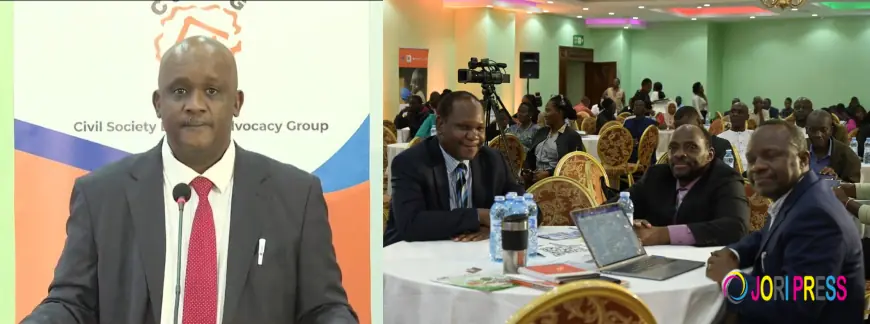
On Thursday 19th February 2026, spearheaded by Civil Society Budget Advocacy Group (CSBAG), Civil Society Organizations, partners, government representatives, development partners and others organized the 31st Pre-Budget Dialogue for the FY2026/27 under the theme: Re-purposing the budget for economic transformation and sustainable growth.
The aim of the dialogue held at Imperial Royal Hotel in Kampala, according to the organizers was to ensure that the budget processes are on the top of the agenda as a platform to raise issues that will be used engage government.
Mr. Julius Mukunda Executive Director CSBAG, says that following the release of the National Budget Framework Paper, CSOs raise issues and engage government which are later reflect on how many they adopt and take on.
He said that among the issues raised with government especially Parliament, over 50% were taken on and adopted including decreasing arrears, financial frameworks, non-functional project dropped among others.
“CSOs have consistently been raising issues through partnership and activation on issues that need government attention. Wherever we raise issues and proposals, we reflect on what government has taken on. 50% of proposals were taken” he said.
Mukunda said that despite the good figures of growth, Inflation rates, stable currency among others, there is need to focus ion increasing citizens incomes through tax reductions to avail surpluses.
On the current budget process, Mukunda said that there evident reduction on domestic borrowing, increased revenue collection targets, oil revenue trajectories, among others.
The Assistant Commissioner, Budget in the Finance Ministry Mr. Ali Tagole said that CSO Pre-Budget dialogue a timely opportunity to validate the priorities presented in the budget paper.
He said the circular released has provided guidance to accounting officers in expenditure, and that the issues raised in the dialogue will be shared with them for repurposing reasons.
“Repurposing resources to new projects and non preforming projects that was added to MDAs has been verified by the 10fold strategy. New resources have moved up and repurposed to emerging priorities. In the 1st half of the financial year, URA committed to raise UGX18 Tn to finance th budget, and by December 2025 URA was able to collect UGX17.1Tn representing 92% an outstanding performance” he said
He said that government is profiling enablers and derisking the private sector through investing in areas that enhance private sector productivity and growth.
Irene Kagoya from World Vision said that the theme of the dialogue is aligned to the budget highlighting that therebis a need to invest in projects with multiplier effect to transform the community.
She said that despite consideration on sectors such as industry, agriculture, Tourism, ICT and others, there is a need to also enhance human capital development.
Kagoya highlighted that as World Vision continue to invest in projects that improve lives of vulnerable communities, there is a need to address the challenge of structural inadequate funding to focus on issues such as increase health supplies, staff motivation among others.
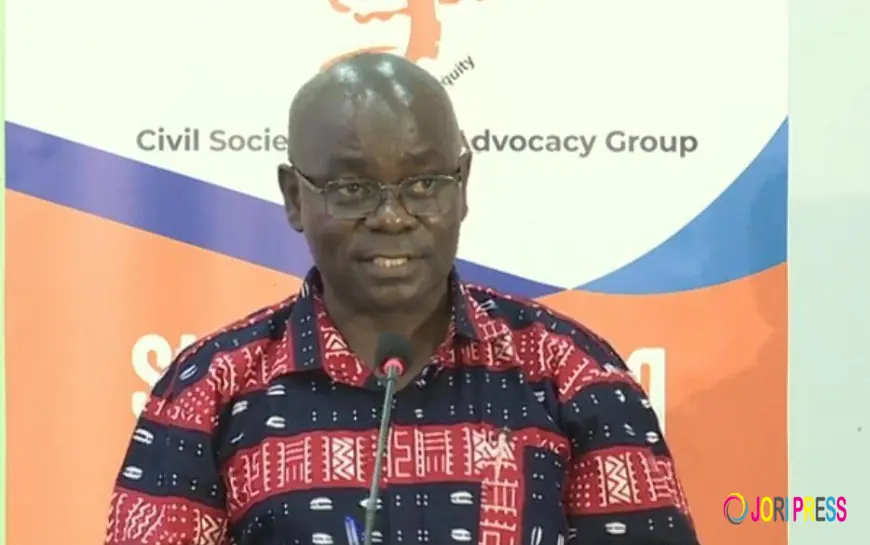
Dr. Fred Muhumuza
In regards to the structure of the budget, Mr. Fred Muhumuza from MUBS Economic Forum, there is need to address the challenges that hinder realization of government goals and objectives through Re-purposing resources to restructure the budget process and address constraints in various sectors including; high Interest rates, limited land for industrialization, unstable power supply, among others.
The panel discussion included participating including Robert Mbazira from Ernst&Young, Dr. Arthur Twinomugisha ED ACODE, Mr. Paul Lokuma from Finance Ministry and Yusuf Sserunkuma from Observer.
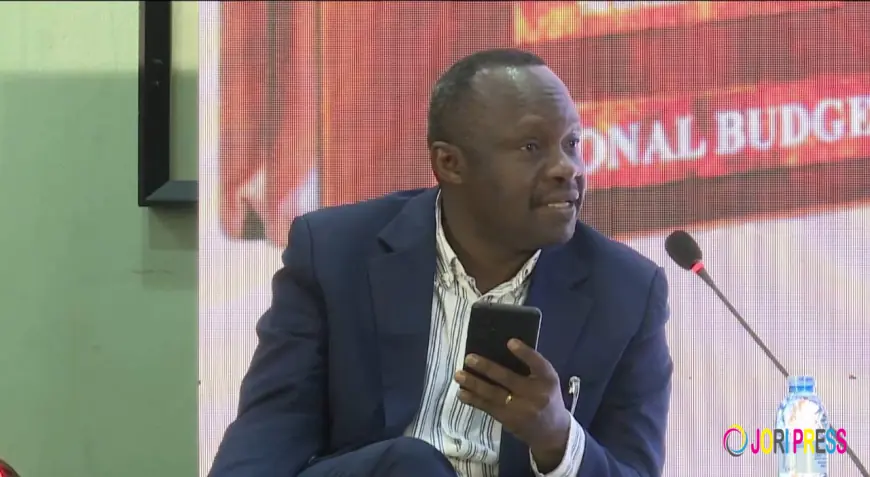
Dr. Arthur Twinomugisha picturesd above from A CODE said that there is need to invest in high impact areas such as attracting elites into agriculture, rural water supplies for farmers accessibility, formalization of SMEs for tax base expansions, equipping Universities to generate solutions to enhance human capital development, increased local government financing where a bigger percentage citizens live among others to spur economic transformation.
The dialogue was supported by World Vision, Brac, ACSA, MUBS Economic Forum, A CODE, Oxfam among others.
What's Your Reaction?
 Like
0
Like
0
 Dislike
0
Dislike
0
 Love
0
Love
0
 Funny
0
Funny
0
 Angry
0
Angry
0
 Sad
0
Sad
0
 Wow
0
Wow
0