







































Cryptocurrencies in the Global Financial System: Problems and Ways to Overcome Them

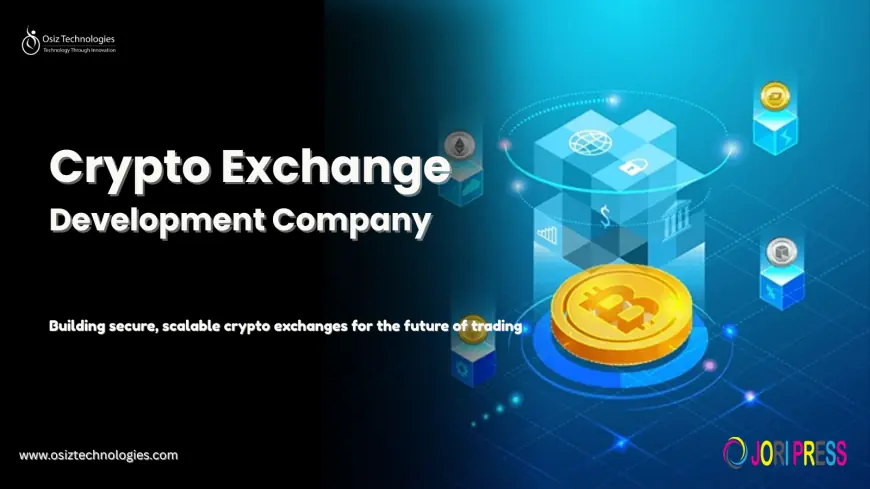
The Growing Role of Crypto in Global Finance
Cryptocurrencies are no longer a niche innovation—they are becoming an integral part of the global financial system. From cross-border payments and decentralized finance (DeFi) to digital asset custody and tokenized assets, crypto is reshaping how value is stored, transferred, and invested. As adoption grows, businesses, startups, and financial institutions are increasingly turning to Crypto Exchange Development to build secure, scalable, and compliant platforms that connect users with digital asset markets. A well-built exchange infrastructure enables smoother onboarding, better liquidity access, and stronger trust—three critical pillars for mainstream crypto adoption. However, despite rapid innovation, cryptocurrencies still face major challenges that limit their full integration into traditional financial systems.
Key Problems Facing Cryptocurrencies
1. Regulatory Uncertainty
One of the biggest obstacles is inconsistent regulation across countries. Some governments treat cryptocurrencies as assets, others as securities, and some as currencies. This lack of global regulatory harmony creates confusion for businesses and investors, increases compliance costs, and slows institutional participation.
2. Security Threats and Cyber Risks
Hacks, phishing attacks, smart contract vulnerabilities, and exchange breaches continue to threaten user funds. Even with blockchain’s strong cryptographic foundations, centralized platforms and poorly audited protocols can become easy targets for attackers.
3. Market Volatility
Extreme price fluctuations make cryptocurrencies risky for everyday payments and long-term financial planning. Volatility discourages risk-averse investors and businesses from fully adopting crypto for treasury management or payroll use cases.
4. Scalability and Network Congestion
Popular blockchains often face high transaction fees and slow processing times during peak demand. This limits crypto’s ability to compete with traditional payment networks in terms of speed, cost, and user experience.
5. Limited User Education and Trust
Many users still lack a clear understanding of private keys, wallets, and basic security practices. This knowledge gap leads to lost funds, scams, and reduced confidence in the overall crypto ecosystem.
Practical Ways to Overcome These Challenges
1. Stronger Regulatory Alignment
Collaboration between governments, regulators, and industry players can help create clearer, more consistent frameworks. Transparent regulations encourage institutional adoption and provide businesses with the confidence to invest in long-term crypto strategies.
2. Advanced Security Infrastructure
Implementing multi-layer security—such as cold wallet storage, multi-signature authentication, regular smart contract audits, and AI-driven fraud detection—can significantly reduce risks. Secure exchange architectures are essential for protecting user assets and building trust.
3. Liquidity Management and Stablecoins
Using stablecoins and liquidity aggregation tools can help reduce volatility exposure and enable smoother trading experiences. This makes crypto more practical for real-world financial use cases.
4. Layer-2 and Scalable Blockchain Solutions
Layer-2 networks and next-generation blockchains improve transaction speed and lower fees. These technologies are key to supporting mass adoption and enterprise-grade financial applications.
5. Education and Transparency
Clear communication, user training, and transparent platform operations help users make informed decisions. Educated users are more confident, more secure, and more likely to stay engaged in the crypto ecosystem.
The Path Forward
Cryptocurrencies have the potential to transform global finance—but only if their core challenges are addressed with the right mix of regulation, security, scalability, and user education. Businesses looking to enter or expand in this space must rely on proven technology partners to build compliant and future-ready platforms. Working with an experienced Crypto Exchange Development Company like Osiz in the middle of your digital asset strategy can help bridge the gap between innovation and real-world financial requirements. By combining regulatory alignment, enterprise-grade security, and scalable exchange architecture, the industry can move closer to a more inclusive, efficient, and trustworthy global financial ecosystem.
What's Your Reaction?
 Like
0
Like
0
 Dislike
0
Dislike
0
 Love
0
Love
0
 Funny
0
Funny
0
 Angry
0
Angry
0
 Sad
0
Sad
0
 Wow
0
Wow
0