










































Companion Care: A Lifeline for Families Caring for Elderly Relatives at Home
Discover how companion care supports families caring for elderly relatives at home, providing emotional support and everyday assistance.

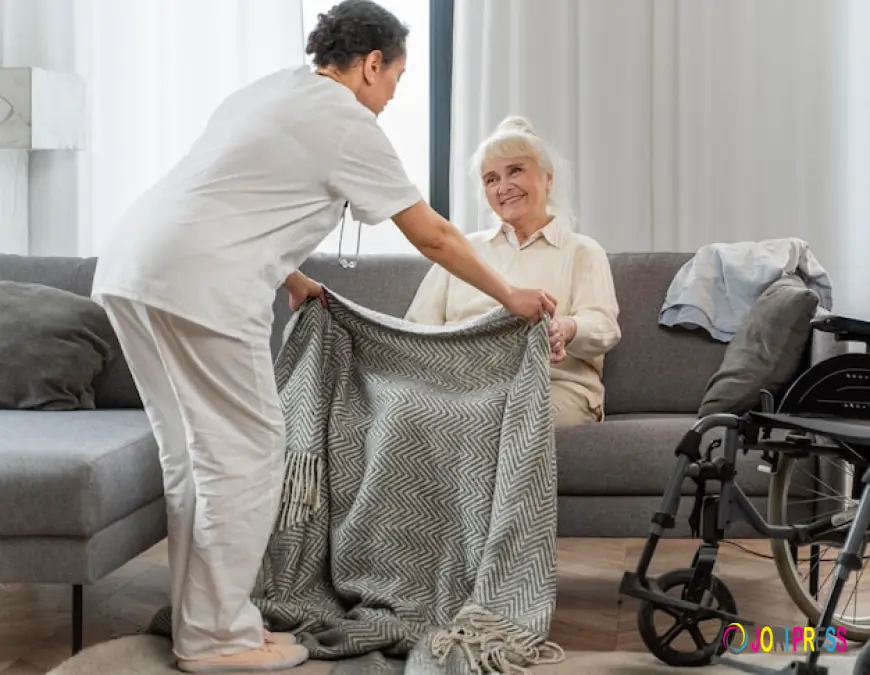
Caring for elderly loved ones can be both rewarding and challenging. As parents and relatives grow older, they may need more assistance with everyday tasks, from meal preparation to mobility support. Many families find themselves in a position where they want to ensure their loved ones stay safe and comfortable at home, but managing their care can be overwhelming. That’s where companion care, a vital part of home care solutions, steps in. Companion care provides a lifeline for families by offering not only assistance with daily activities but also emotional support, making a significant difference in the quality of life for seniors and the well-being of caregivers.
What is Companion Care?
Companion care is a non-medical home care service designed to offer emotional, social, and personal support to elderly individuals. The focus of companion care is on providing companionship, engaging in conversations, and assisting with non-medical tasks such as light housekeeping, meal preparation, and transportation. While it doesn’t provide medical treatment, companion care plays a crucial role in improving the mental and emotional health of seniors, which in turn supports their overall well-being. For families who are caregiving at home, companion care can relieve stress and ensure that their loved ones receive the attention they deserve.
How Companion Care Supports Families
Caring for elderly relatives at home can be both emotionally and physically demanding. Family caregivers often juggle their loved one’s needs with their own responsibilities, such as work, children, and personal time. Companion care can ease this burden by providing reliable assistance. A professional companion caregiver can step in to help with routine activities like grocery shopping, light cleaning, and meal prep, giving family caregivers much-needed time to rest or focus on other aspects of their lives. This relief can prevent burnout and help families maintain a healthy balance between caregiving and their personal lives.
Emotional Support Through Companion Care
One of the most significant benefits of companion care is the emotional support it provides to seniors. Aging can sometimes lead to feelings of loneliness and isolation, especially if family members are not always available. Companion caregivers serve as a friendly presence, engaging seniors in meaningful conversations, helping them stay connected to their communities, and offering reassurance. This emotional connection is especially important for seniors who may not have a lot of social interaction. Regular companionship can lift spirits, reduce feelings of depression, and help seniors maintain a more positive outlook on life.
Reducing Loneliness and Isolation
Many elderly people face loneliness due to physical limitations, mobility issues, or the loss of loved ones. The emotional toll of isolation can be serious, leading to depression, anxiety, and other mental health issues. Companion care helps combat this by offering a consistent, friendly presence. Having someone to talk to or engage in activities with can make a world of difference. Companion caregivers can take seniors on outings, accompany them to social events, or simply spend time playing games and chatting. These small interactions help to create a sense of purpose and connection, which is vital for emotional well-being.
Promoting Independence with Companion Care
While companion care offers valuable support, it also encourages seniors to maintain their independence. Companion caregivers assist with tasks, but they also promote self-reliance by encouraging seniors to participate in activities that they enjoy and feel capable of doing. Whether it’s helping with exercises to improve mobility or encouraging a senior to maintain a routine, companion care helps seniors continue living the way they want. This sense of control over their lives and routines can boost confidence, reduce anxiety, and help seniors feel empowered despite the challenges that come with aging.
Home Care Solutions for Families in Need
Home care solutions, such as companion care, are becoming increasingly popular among families who wish to care for their elderly loved ones at home. These solutions offer flexibility and affordability compared to traditional nursing homes or assisted living facilities. With the option to tailor the level of care based on the senior’s needs, home care services are perfect for seniors who require help with daily activities but want to remain in their own familiar surroundings. Companion care, in particular, is a great option for those who do not require medical attention but still need the emotional support and assistance that comes with aging.
The Cost of Companion Care
Cost is always a consideration for families exploring home care solutions. Companion care is typically more affordable than full-time medical care or nursing home services. Because it focuses on non-medical support, companion care can be more flexible, with options for part-time or full-time care based on the senior’s needs. For families, this means they can find a care solution that fits within their budget while still providing the high-quality support their loved one requires. Additionally, many home care providers offer customizable pricing based on the amount of care needed, making it easier to manage costs.
The Future of Companion Care and Home Care Solutions
The demand for home care solutions, including companion care, is expected to grow as the senior population continues to increase. Families are increasingly seeking options that allow their loved ones to stay in their own homes for as long as possible, rather than relocating to nursing homes or assisted living facilities. As a result, the future of companion care looks bright, with more services becoming available to meet the growing needs of elderly individuals and their families. With advancements in technology, such as remote monitoring and medication management, companion care will continue to evolve and provide more efficient and effective solutions.
Conclusion: Companion Care as a Lifeline for Families
Companion care is more than just a service; it is a lifeline for families who are caring for elderly relatives at home. By providing emotional support, reducing loneliness, and offering practical help with daily activities, companion care ensures that seniors can maintain a high quality of life in the comfort of their own homes. It also offers significant relief to family caregivers, helping them avoid burnout and continue to care for their loved ones with compassion. With the growing demand for home care solutions, companion care is playing a crucial role in transforming how we approach senior care, ensuring that aging adults receive the support and companionship they need to live fulfilling lives.
What's Your Reaction?
 Like
0
Like
0
 Dislike
0
Dislike
0
 Love
0
Love
0
 Funny
0
Funny
0
 Angry
0
Angry
0
 Sad
0
Sad
0
 Wow
0
Wow
0