



































Common Provisioning Challenges Faced by Vessels at Anchorage and How They Are Solved
Common Provisioning Challenges Faced by Vessels at Anchorage and How They Are Solved
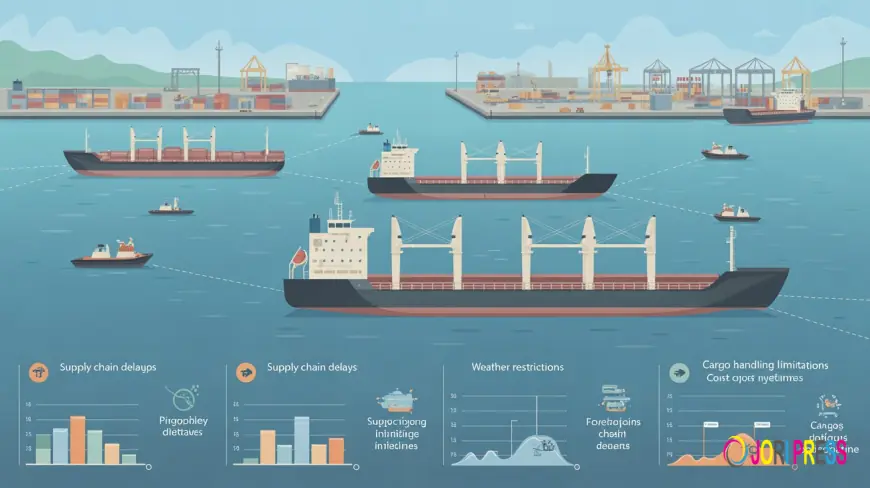
Vessels waiting at anchorage often face unique operational challenges that are very different from those encountered at berth. While anchorage helps manage port congestion and scheduling, it also brings uncertainty, especially when it comes to provisioning. Ships may remain at anchorage longer than expected due to port delays, weather conditions, or documentation issues. During this time, ensuring a steady and safe supply of provisions becomes critical for crew welfare and smooth vessel operations.
Provisioning at anchorage is not just about delivering food items. It involves planning, coordination, timing, and strict safety measures. When these elements do not align, vessels may face shortages, quality issues, or delivery delays. Understanding these challenges and how they are handled can help ship operators make better decisions and avoid unnecessary disruptions.
Limited Access and Transfer Difficulties
One of the most common challenges at anchorage is limited physical access to the vessel. Unlike berth deliveries, anchorage supply requires transportation by boat or barge. Rough sea conditions, tidal changes, or restricted port permissions can delay or even cancel transfers.
To solve this, experienced suppliers plan deliveries based on weather forecasts and port authority guidelines. They use suitable transfer boats and trained crew to ensure safe handling of goods. Proper packaging and waterproof containers also help protect provisions during sea transfer, reducing the risk of damage or contamination.
Unpredictable Waiting Time
Another major issue vessels face at anchorage is uncertainty around waiting periods. A ship scheduled to berth within hours may end up waiting for days. This makes it difficult to plan exact provision quantities, leading to either shortages or excess stock.
The solution lies in flexible provisioning plans. Reliable suppliers work closely with ship managers to understand vessel schedules and adjust supply quantities accordingly. In regions like the UAE, many vessel operators rely on Provision Store Suppliers in UAE who are familiar with port conditions and can respond quickly to sudden changes in anchorage duration.
Maintaining Freshness and Quality
Fresh provisions such as fruits, vegetables, meat, and dairy products are especially difficult to manage at anchorage. Delays during transfer or extended storage can affect quality, which directly impacts crew health and morale.
To address this challenge, suppliers use cold chain systems to maintain proper temperatures during transport. Insulated containers, refrigerated boats, and quick transfer processes help preserve freshness. Regular quality checks before dispatch ensure that only suitable items reach the vessel, even when delivery conditions are not ideal.
Communication Gaps Between Vessel and Supplier
Clear communication is often harder at anchorage. Network issues, time zone differences, and last minute schedule changes can result in misunderstandings about delivery timing or order details.
This issue is solved through structured communication processes. Many suppliers assign a single point of contact who coordinates with the vessel and port authorities. Detailed order confirmations, delivery schedules, and backup communication channels help reduce errors and ensure smoother provisioning operations.
Port and Security Restrictions
Anchorage areas are subject to strict port regulations and security protocols. Access permits, crew documentation, and cargo approvals are mandatory. Any missing paperwork can delay provisioning or prevent delivery altogether.
Experienced suppliers handle this by staying updated with port rules and maintaining strong relationships with local authorities. They ensure all required documents are prepared in advance. This proactive approach helps vessels avoid unnecessary delays and ensures compliance with port regulations.
Handling Emergency Provision Requirements
Unexpected situations such as crew changes, medical needs, or extended anchorage due to bad weather can lead to emergency provision requirements. Meeting these urgent needs at anchorage can be challenging due to limited access and time constraints.
To manage such situations, dependable suppliers keep essential items readily available and maintain standby delivery teams. Their ability to mobilise quickly and arrange fast transfers helps vessels manage emergencies without compromising crew welfare or safety.
Waste Management and Storage Limitations
Anchorage stays can put pressure on onboard storage facilities. Limited space makes it difficult to store large quantities of provisions or manage waste effectively, especially during longer waiting periods.
This challenge is solved through planned and phased deliveries. Instead of supplying all provisions at once, suppliers may arrange multiple smaller deliveries based on the vessel’s consumption rate. This approach helps manage storage efficiently and reduces the risk of spoilage or waste buildup.
Cost Management at Anchorage
Provisioning at anchorage can be more expensive than berth deliveries due to additional logistics and transfer costs. Unplanned delays can further increase expenses.
Cost control is achieved through transparent pricing and efficient planning. Suppliers with local expertise optimise delivery routes and schedules to minimise additional charges. Clear communication about costs allows ship operators to plan budgets more effectively and avoid unexpected expenses.
Importance of Local Knowledge and Experience
Many of the challenges faced at anchorage are location-specific. Port rules, weather patterns, and anchorage layouts vary from one region to another.
Suppliers with strong local knowledge are better equipped to handle these variables. Their understanding of port operations, anchorage conditions, and regulatory requirements allows them to deliver consistent service even under challenging circumstances.
Conclusion
Provisioning at anchorage is a complex process that requires careful planning, reliable coordination, and strong local expertise. Challenges such as limited access, unpredictable waiting times, quality control, and regulatory restrictions can affect vessel operations if not managed properly. However, with the right strategies and experienced support, these issues can be effectively addressed. By working with knowledgeable partners and adopting flexible provisioning practices, vessels can ensure crew well-being and maintain smooth operations even during extended anchorage stays.
What's Your Reaction?
 Like
0
Like
0
 Dislike
0
Dislike
0
 Love
0
Love
0
 Funny
0
Funny
0
 Angry
0
Angry
0
 Sad
0
Sad
0
 Wow
0
Wow
0