







































Common Challenges in WPC Certificate Approval and How to Overcome Them
One of the most important approvals for such products is WPC Certificate Approval, issued by the Wireless Planning and Coordination Wing under the Ministry of Communications.
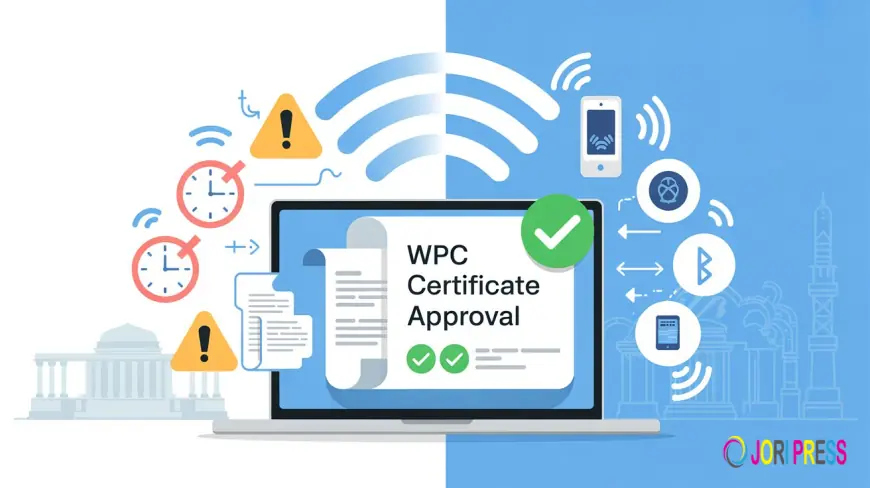
In today’s digital and wireless-driven market, many products such as Bluetooth devices, Wi-Fi equipment, IoT gadgets, and wireless modules must follow strict regulatory rules before entering India. One of the most important approvals for such products is WPC Certificate Approval, issued by the Wireless Planning and Coordination Wing under the Ministry of Communications.
While the process is mandatory, many manufacturers, importers, and startups face delays and confusion during approval. This blog explains the most common challenges in the WPC process and offers practical solutions to overcome them smoothly.
Understanding the Importance of WPC Certification
Any device that uses radio frequency must comply with Indian wireless regulations. Without proper approval, products can be stopped at customs, face penalties, or even be banned from sale. WPC certification ensures that wireless products operate within permitted frequency ranges and do not interfere with other communication networks.
For businesses aiming to enter the Indian market, understanding the process early helps avoid costly delays and compliance issues.
Common Challenges Faced During the Approval Process
1. Lack of Technical Knowledge
One of the biggest hurdles is limited understanding of frequency bands, RF modules, and technical specifications. Many applicants are unsure whether their product even requires certification or under which category it falls.
How to overcome it:
Before applying, review your product’s wireless features carefully. Consulting a professional compliance service provider can help you identify exact requirements and avoid unnecessary mistakes.
2. Incorrect or Incomplete Documentation
Documentation errors are among the most common reasons for rejection. Missing test reports, incorrect authorization letters, or mismatched technical details can slow down the process significantly.
How to overcome it:
Prepare all documents carefully, including RF test reports from accredited labs, product datasheets, authorization letters, and import details. Double-check every file before submission to ensure accuracy and consistency.
3. Issues with RF Test Reports
RF test reports must meet Indian regulatory standards. Reports from non-recognized labs or reports that lack specific frequency details are often rejected.
How to overcome it:
Ensure that testing is conducted in NABL-accredited or internationally accepted laboratories. The report should clearly mention frequency range, output power, modulation, and compliance with Indian norms.
4. Confusion Between ETA and License Requirements
Many applicants are confused between ETA (Equipment Type Approval) and other WPC licenses. Applying under the wrong category can lead to rejection or unnecessary delays.
How to overcome it:
Understand your product category properly. Devices operating in de-licensed frequency bands usually require ETA, while others may need additional permissions. Proper guidance helps in selecting the right approval path.
5. Delays Due to Manual Errors
Even minor mistakes such as incorrect product names, mismatched model numbers, or formatting issues can lead to repeated queries from authorities.
How to overcome it:
Maintain uniformity across all documents and application forms. Reviewing the application thoroughly before submission saves time and avoids repeated follow-ups.
Role of Online Certification in Simplifying the Process
With digitization, the government has made efforts to streamline approvals through online platforms. WPC certification Online has made it easier for applicants to submit documents, track application status, and receive approvals without visiting offices physically.
This shift has reduced processing time and improved transparency, but only when applications are filed correctly.
Key Benefits of Choosing the Online Route
Using WPC certification Online offers multiple advantages for businesses:
- Faster submission and tracking
- Reduced paperwork and manual handling
- Easy communication with authorities
- Better record management for future approvals
However, applicants must still ensure technical accuracy and compliance to avoid online rejection or clarification requests.
How Professional Support Makes a Difference
Navigating regulatory approvals without experience can be challenging. Professional consultants understand common pitfalls and regulatory expectations, which helps in faster approvals.
By choosing expert assistance for WPC Certificate Approval, businesses can focus on product development and marketing instead of struggling with regulatory procedures. Expert support ensures proper classification, accurate documentation, and timely submission.
Tips for Faster and Hassle-Free Approval
Here are a few practical tips to speed up your approval process:
- Identify certification requirements at the product design stage
- Use approved RF modules whenever possible
- Get RF testing done from recognized labs only
- Keep all documents updated and consistent
- Seek professional guidance if unsure
Following these steps can significantly reduce approval time and avoid unnecessary back-and-forth.
Final Thoughts
Wireless compliance is not just a legal requirement, it is a critical step toward building trust and ensuring smooth market entry. While challenges in the process are common, they can be managed with the right planning, documentation, and expert support.
By understanding common issues and opting for WPC certification Online, businesses can simplify compliance and achieve timely approval. A well-managed approach to WPC Certificate Approval not only saves time but also protects your business from regulatory risks and operational delays.
What's Your Reaction?
 Like
0
Like
0
 Dislike
0
Dislike
0
 Love
0
Love
0
 Funny
0
Funny
0
 Angry
0
Angry
0
 Sad
0
Sad
0
 Wow
0
Wow
0