



































Case Study: Transforming a Local Retail Brand Into a National Authority Website
Local retail brands often believe their growth is limited by geography. A single city, a few nearby customers, and modest online visibility can feel like an unbreakable ceiling. But with the right SEO strategy, that ceiling can disappear.
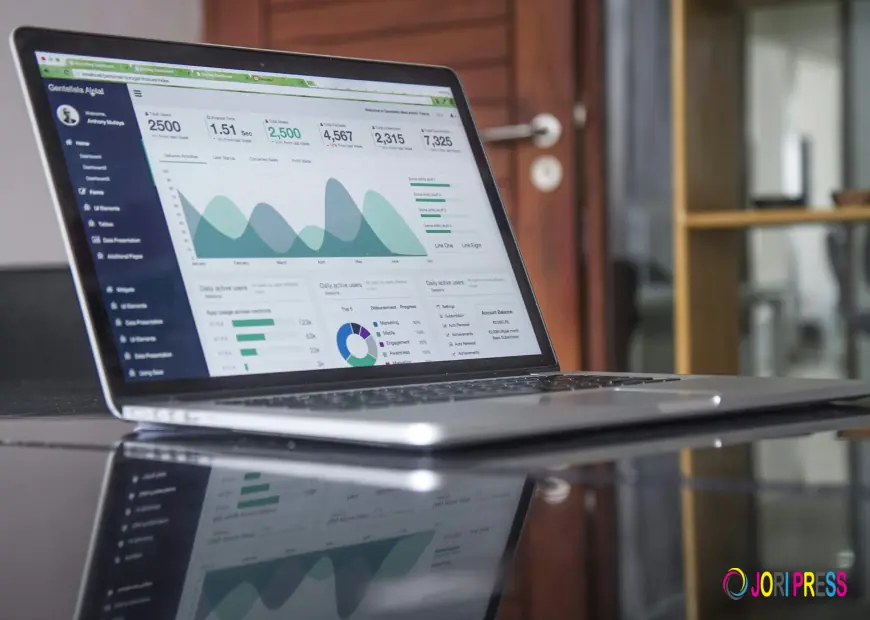
Local retail brands often believe their growth is limited by geography. A single city, a few nearby customers, and modest online visibility can feel like an unbreakable ceiling. But with the right SEO strategy, that ceiling can disappear.
This case study breaks down how a small, location-focused retail brand evolved into a nationally recognized authority website. The transformation did not rely on shortcuts or aggressive tactics. Instead, it focused on trust, relevance, and long-term Digital Marketing fundamentals that scale.
The Starting Point: A Strong Local Brand With Limited Reach
The brand in this case operated a single physical retail store in a mid-sized city. Offline, it had a loyal customer base and strong word-of-mouth referrals. Online, however, the story was very different.
The website faced several challenges:
-
Rankings were limited to local keywords only
-
Organic traffic averaged fewer than 1,200 visits per month
-
Content focused on products, not user intent
-
Backlinks were minimal and mostly directory-based
Despite having a solid reputation locally, search engines did not see the brand as an authority beyond its city. The goal was clear: expand visibility nationwide without losing local trust.
Strategy Overview: From Local SEO to Authority SEO
The transformation was guided by a simple principle: search engines reward brands that consistently demonstrate expertise at scale.
Instead of abandoning local SEO, the strategy built on it. The plan included:
-
Strengthening topical authority beyond location terms
-
Restructuring the website around user intent
-
Leveraging AI SEO insights to map content gaps
-
Building trust signals that work nationally
This was not a quick fix. It was a phased approach designed for sustainable growth.
Phase 1: Fixing the Technical and Structural Foundation
Before creating new content or building links, the site needed a stronger foundation.
Key improvements included:
-
Cleaning up thin and duplicate pages
-
Improving internal linking between product and informational pages
-
Enhancing page speed and mobile usability
-
Adding structured data for products, FAQs, and reviews
These changes alone improved crawl efficiency and helped search engines better understand the site’s purpose. Rankings did not jump overnight, but indexing became more consistent within weeks.
Phase 2: Expanding Content Beyond Local Intent
Previously, most content targeted keywords like “best retail store in [city].” While useful, this limited growth.
The new content strategy focused on national search intent:
-
Buying guides answering common customer questions
-
Comparison content for different product categories
-
Educational blog posts related to use cases and trends
-
Evergreen content not tied to a specific location
For example, instead of writing “Best product store in Delhi,” the brand published content like “How to Choose the Right Product for Long-Term Use.” These articles attracted users from across the country.
This shift marked the transition from local visibility to national relevance.
Phase 3: Using AI SEO for Content Mapping
AI SEO tools played a key role in scaling the content strategy intelligently.
Rather than guessing topics, the team analyzed:
-
People-also-ask questions
-
Search intent variations across regions
-
Content gaps competitors were missing
-
Semantic relationships between topics
This allowed the brand to create content clusters instead of isolated articles. Each cluster supported a main topic, reinforcing authority in the eyes of search engines.
Within four months, several informational pages began ranking on page one for non-branded, national keywords.
Phase 4: Building Authority Through Trust Signals
National rankings require more than content. They require trust.
To strengthen authority, the brand focused on:
-
Earning mentions from industry blogs and publications
-
Publishing expert-backed content with clear author profiles
-
Showcasing customer reviews and real-world use cases
-
Improving brand searches through consistent visibility
Interestingly, not every mention included a backlink. Some were simple brand references. Over time, these mentions contributed to stronger brand recognition and improved ranking stability.
This is where modern SEO overlaps with Digital Marketing and PR.
Results: From Local Store to National Authority
After nine months of consistent effort, the results were measurable and sustainable.
Key outcomes included:
-
Organic traffic increased from 1,200 to over 38,000 monthly visits
-
More than 60% of traffic came from outside the original city
-
Over 40 keywords ranked in the top three nationally
-
Branded searches increased by nearly 3x
More importantly, the site began attracting natural backlinks without outreach. Journalists, bloggers, and niche creators started referencing the content as a trusted resource.
The website was no longer “a local store online.” It was an authority.
Key Takeaways for Growing Beyond Local SEO
This case study highlights a few critical lessons:
-
Local success can be a launchpad, not a limitation
-
Authority is built through consistency, not shortcuts
-
SEO works best when aligned with real user needs
-
AI-driven insights help scale smarter, not faster
Brands that think beyond geography position themselves for long-term growth.
Conclusion: Authority Is Earned, Not Declared
Transforming a local retail brand into a national authority website is not about pretending to be bigger than you are. It is about proving expertise in ways search engines and users can trust.
By combining strong foundations, intent-driven content, AI SEO insights, and authentic trust signals, local brands can compete nationally without losing their identity.
This content is written with the help of AI tools and researched using AI. After writing, SEO experts of SERP Monsters have optimized this content for clarity, relevance, and search engine performance.
What's Your Reaction?
 Like
0
Like
0
 Dislike
0
Dislike
0
 Love
0
Love
0
 Funny
0
Funny
0
 Angry
0
Angry
0
 Sad
0
Sad
0
 Wow
0
Wow
0