








































How Do Carbide Milling Cutters Improve with Coatings in Workshops?
Coatings on carbide milling cutters boost durability, improve heat resistance, increase cutting speed, and help workshops get smoother finishing with lower cost.
Why Carbide Milling Cutters Are Essential
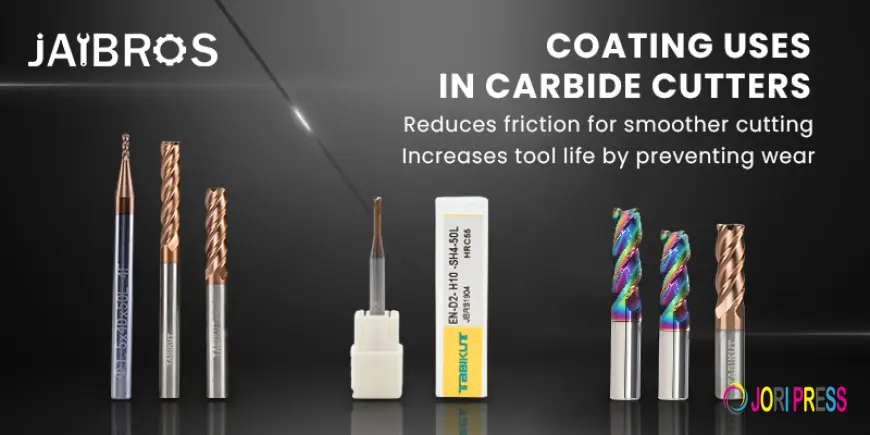
Carbide milling cutters are widely used in industries because they provide high precision and durability. They can cut hard metals like stainless steel, alloy steel, and cast iron efficiently. Without the right protection, these cutters can dull quickly, reducing the quality of the cut and increasing production cost. That’s where coating becomes critical. By reducing friction and resisting heat, coated carbide milling cutters maintain sharpness and deliver better machining results.
What Is Coating and Why It Matters for Carbide Cutters
A coating is a thin protective layer applied to the surface of carbide tools. During machining, high heat and friction can damage the cutting edge, making the tool wear out faster. The coating controls heat, reduces wear, and allows the cutter to work smoothly without losing sharpness. With coated carbide milling cutters, workshops get longer tool life, faster machining, and cleaner finishes on metal parts. This makes coatings vital for both small and large manufacturing setups.
Why Coating Improves Carbide Milling Performance
Using coated carbide cutters is simple but highly effective. The coating protects the cutting edge, reduces friction, and prevents material from sticking to the tool. It allows cutters to run at higher speeds, handle heavier loads, and maintain accuracy over time. With the right coating, cutters produce less vibration, require fewer replacements, and improve overall efficiency in CNC or conventional milling operations.
Types of Coating for Carbide Milling Cutters
Different coatings are designed for specific materials and machining tasks. Here are the main types used in carbide milling cutters:
-
TiN (Titanium Nitride) – Provides a hard layer, ideal for soft to medium metals, and gives a golden finish for easy identification.
-
TiAlN / AlTiN (Titanium Aluminium Nitride) – Works well in high-temperature cutting, especially for stainless steel and alloy steel.
-
TiCN (Titanium Carbonitride) – Harder than TiN, perfect for abrasive metals like cast iron, preventing chipping during heavy cuts.
-
DLC (Diamond-Like Carbon) – Reduces friction, prevents aluminium from sticking, and is ideal for non-ferrous metals.
-
CVD Diamond Coating – The hardest coating, used for composites, carbon fiber, ceramics, and other tough materials.
Choosing the correct coating ensures maximum tool life and machining efficiency.
Carbide Price Increase: China’s Role and Future Outlook
The cost of carbide tools has increased recently due to global supply and demand factors. China, as the largest supplier of tungsten (the main raw material for carbide), has limited exports. At the same time, demand is rising from industries like automotive, aerospace, and CNC machining. Production, mining, and energy costs have also increased. While prices may stay high, using coated carbide cutters reduces long-term costs because they last longer and improve efficiency.
Coating for Metal in General Manufacturing
Beyond cutting tools, coating is essential for protecting metal surfaces in manufacturing. It prevents rust, corrosion, and wear, extending the life of metal parts. Industries carefully choose coatings for metal to match their needs—whether for durability, temperature resistance, or appearance. Even in CNC machining, using proper coatings for metal ensures better stability, lower maintenance, and higher reliability.
How to Select the Right Coating for Your Material
Selecting the correct coating depends on the material being machined and the type of operation:
-
Soft metals like aluminium → Use DLC coating to prevent sticking and reduce friction.
-
High-heat cutting on steel → TiAlN or AlTiN coatings protect against heat and wear.
-
General machining → TiN coating works for most medium metals.
-
Abrasive metals like cast iron → TiCN coating resists wear and prevents chipping.
-
Non-metal or composite materials → CVD Diamond coating offers maximum hardness.
Testing different coatings on specific machines ensures optimal performance. Trusted suppliers like Jaibros provide high-quality coated carbide cutters suitable for all industrial needs.
Conclusion
Carbide milling cutters are a vital part of any workshop, and applying the right coating improves their performance significantly. Coated cutters last longer, reduce tool wear, allow faster machining, and produce better finishes. Understanding which coating to use for each material helps workshops save cost, maintain precision, and increase productivity. With rising carbide prices, using coated tools is now more important than ever for efficient and reliable machining.
Frequently Asked Questions (FAQ)
1. Do coatings really make carbide cutters last longer?
Yes, coatings protect the tool from heat and wear, keeping the edge sharp and improving performance on hard metals.
2. Which coating is best for cutting stainless steel?
TiAlN or AlTiN coatings resist high heat and friction, giving longer tool life and smoother cuts.
3. Are coated cutters useful for aluminium?
Yes, DLC coatings reduce friction, prevent sticking, and allow clean cutting on aluminium.
4. Why are carbide tool prices increasing?
Prices rise due to limited tungsten supply from China, high global demand, and increased production and energy costs.
5. Where can I buy good quality carbide cutters online?
Trusted suppliers like Jaibros offer reliable coated and uncoated carbide cutters suitable for CNC and milling machines.
What's Your Reaction?
 Like
0
Like
0
 Dislike
0
Dislike
0
 Love
0
Love
0
 Funny
0
Funny
0
 Angry
0
Angry
0
 Sad
0
Sad
0
 Wow
0
Wow
0