In large, high-traffic environments such as shopping malls, educational campuses, and corporate office complexes, effective wayfinding is not optional—it is essential. Visitors who struggle to navigate a space experience frustration, delays, and a negative impression of the organization. Well-designed wayfinding systems improve navigation, enhance safety, support accessibility, and reinforce brand identity.
While each environment has unique requirements, the core principles of effective wayfinding remain consistent. Below are the best practices organizations should follow when planning wayfinding signage for malls, campuses, and corporate offices.
1. Start with a Clear Wayfinding Strategy
Effective wayfinding begins long before signage is produced. A successful system is built on a thorough understanding of how people move through a space. This includes identifying key entry points, decision-making zones, destinations, and common bottlenecks.
For malls, this may involve entrances, anchor stores, food courts, restrooms, and parking access points. On campuses, wayfinding must guide students, staff, and visitors between buildings, departments, and services. Corporate offices often require navigation between reception areas, meeting rooms, departments, and amenities.
A strategic wayfinding plan ensures signage is placed where users actually need guidance, rather than relying on guesswork.
2. Keep Information Simple and Hierarchical
One of the most common wayfinding mistakes is information overload. Signs should present only the most relevant information for that specific location. Clear hierarchy is critical—primary destinations should be prioritized, with secondary details provided only when necessary.
For example, a mall directory should highlight major zones and anchor tenants first, while individual store listings can be secondary. On a campus, directional signs should focus on building names rather than listing every department at once. In corporate offices, floor directories should clearly separate departments by level.
Simple, concise messaging reduces cognitive effort and speeds up decision-making.
3. Use Consistent Design and Visual Language
Consistency is the backbone of effective wayfinding. Fonts, colors, icons, arrows, and materials should remain uniform throughout the entire property. When users recognize visual patterns, they can navigate intuitively without stopping to analyze each sign.
Consistency is especially important in large campuses or multi-tenant buildings, where different zones may be developed at different times. A standardized design system ensures cohesion and avoids confusion.
In corporate environments, consistent wayfinding also reinforces professionalism and brand credibility. In malls and campuses, it improves user comfort and confidence.
4. Incorporate Universal Symbols and Clear Typography
Wayfinding signage must be readable at a glance. This requires high-contrast color combinations, legible fonts, and appropriate sizing based on viewing distance. Decorative fonts may look appealing, but they often reduce readability.
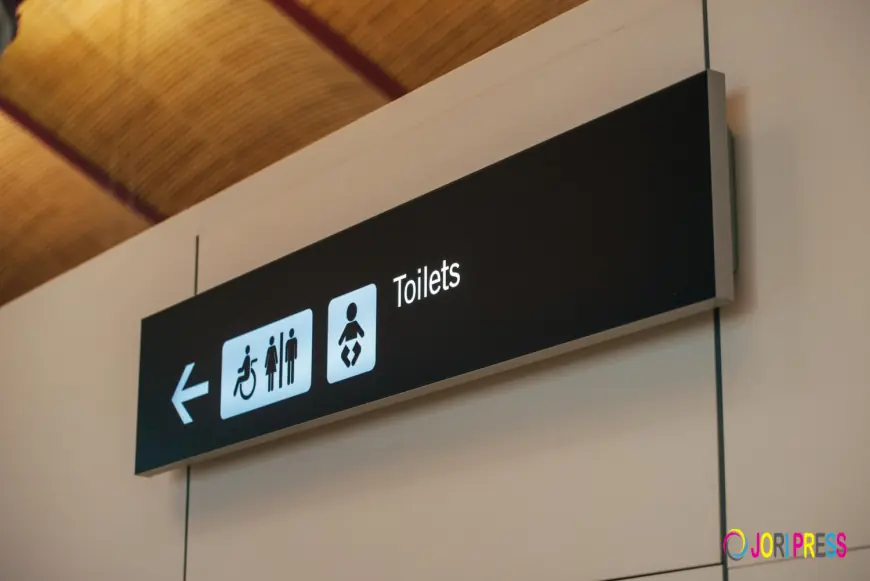
Universal symbols—such as restroom, elevator, exit, parking, and accessibility icons—should be used wherever possible. These symbols transcend language barriers and are especially important in malls and campuses that serve diverse populations.
Clear typography and intuitive symbols ensure that wayfinding works for first-time visitors as well as repeat users.
5. Design for Accessibility and Compliance
Accessible wayfinding is both a legal requirement and a best practice. Signage should accommodate individuals with visual, mobility, or cognitive impairments. This includes tactile lettering, Braille where required, appropriate mounting heights, and glare-free finishes.
In corporate offices and campuses, accessibility-focused wayfinding demonstrates inclusivity and professionalism. In malls, it directly impacts customer satisfaction and dwell time.
Compliance with local accessibility standards should be addressed during the planning phase, not as an afterthought.
6. Place Signs at Decision Points, Not Everywhere
More signs do not automatically improve navigation. In fact, excessive signage can overwhelm users. Effective wayfinding places signs at natural decision points—such as intersections, elevators, stairwells, entrances, and corridor splits.
For example, a campus visitor should encounter a directional sign just before needing to choose between two paths, not after they have already passed the turn. In corporate offices, room identification signs should be visible before visitors reach the door, not hidden behind architectural elements.
Strategic placement ensures guidance feels natural and intuitive.
7. Integrate Branding Without Sacrificing Clarity
Wayfinding signage is an extension of an organization’s brand, but branding should never compromise clarity. Colors, materials, and finishes can align with brand identity while still maintaining contrast and readability.
In corporate offices, branded wayfinding reinforces company culture and professionalism. In malls, it helps unify diverse tenant spaces into a cohesive experience. On campuses, branding can reflect institutional values while maintaining neutrality for ease of navigation.
The key is balance—branding should support wayfinding, not overpower it.
8. Plan for Flexibility and Future Growth
Malls change tenants, campuses expand, and corporate offices reorganize. A well-designed wayfinding system anticipates change. Modular signage, updateable directories, and flexible layouts reduce long-term costs and prevent visual clutter over time.
Designing with adaptability in mind ensures the wayfinding system remains effective and relevant as the space evolves.
Conclusion
Effective wayfinding is a critical component of successful malls, campuses, and corporate offices. When done correctly, it improves navigation, reduces stress, supports accessibility, and enhances overall user experience. By focusing on strategy, simplicity, consistency, accessibility, and flexibility, organizations can create wayfinding systems that are both functional and visually cohesive.
Investing in thoughtful wayfinding design is not just about directing people—it is about shaping how they experience and perceive a space.









































 Like
0
Like
0
 Dislike
0
Dislike
0
 Love
0
Love
0
 Funny
0
Funny
0
 Angry
0
Angry
0
 Sad
0
Sad
0
 Wow
0
Wow
0