






































Best Multipanel Shower Panel Designs for Modern UK Bathrooms
Discover the best Multipanel shower panel designs for modern UK bathrooms, from marble and wood effects to practical installation and care tips.

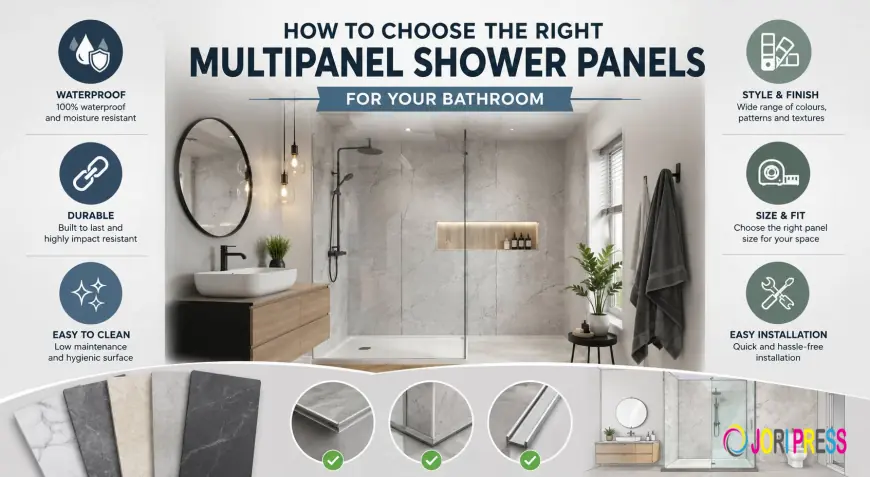
Bathroom renovation trends in the UK have shifted noticeably over the past few years. Homeowners want the polished look of natural stone or marble without the cost, weight, or maintenance that comes with real tile and grout. This shift has pushed shower wall panels into the spotlight, and for good reason.
They install faster than tiling, they never need regrouting, and the finish quality has improved to the point where many panels are genuinely difficult to distinguish from stone at a glance. If you are planning a bathroom update this year, understanding what is available and which designs actually work in real UK homes will save you time and money.
A Multipanel Shower Panel system, for instance, offers a range of finishes built specifically to handle the damp, temperature swings, and daily wear that a British bathroom sees, while still giving you the design flexibility that tiling once monopolized.
The rest of this guide walks through the styles worth considering, the practical details that matter during installation, and how to keep panels looking sharp for years.
Why Panels Have Overtaken Tiles in Many Renovations
Grout lines are the main culprit behind tired-looking bathrooms. Even with regular cleaning, grout darkens, chips, or grows mould within a couple of years, especially in homes with hard water or poor extraction. Shower panels remove that problem entirely because they are installed as large, seamless sheets.
A single panel can cover an entire shower wall, which means fewer joints, less silicone, and far less scope for water to find its way behind the surface. There is also a practical time argument. Tiling a shower enclosure, including prep, adhesive curing, and grouting, can take the better part of a week when you include drying times.
Panels, by contrast, are often fitted in a day or two once the walls are prepared, which matters if you only have one bathroom in the house.
Marble and Stone Effect Panels for a Timeless Look
Marble effect remains the most requested finish, and it is easy to see why. The veining patterns available now are printed at high resolution and sealed under a protective layer, so the surface reads as natural stone from a few feet away. Grey and white veined designs suit smaller bathrooms particularly well because the light tone reflects available light and makes the space feel larger than it is.
For a slightly different take, some homeowners are choosing darker stone effects, such as charcoal or emperador marble patterns, paired with black fittings. This combination has become popular in newer builds and loft conversions where the rest of the interior leans toward a moodier, industrial palette.
Wood Effect Panels for Warmth Without the Risk
Real wood has no place in a wet shower environment, but wood effect panelling solves that problem convincingly. Oak and walnut finishes bring warmth to bathrooms that would otherwise feel clinical, particularly in period properties where cold stone or plain white tiles can clash with original features like exposed beams or Victorian tiling elsewhere in the house.
The trick with wood effect panels is restraint. Using the finish on one feature wall, rather than the entire enclosure, tends to look more intentional and avoids the space feeling like a sauna. Pairing a wood effect wall with plain white or pale grey panels on the remaining sides usually strikes the right balance.
Concrete and Industrial Finishes for Contemporary Spaces
Concrete effect panels have grown in popularity alongside the broader industrial design trend seen in kitchens and living spaces. The mottled, slightly imperfect texture works particularly well in new-build apartments and converted commercial spaces where exposed brick or steel beams are already part of the architecture.
This finish photographs well and suits bathrooms that lean minimalist, but it does show water spots more readily than gloss finishes. A quick wipe-down with a microfibre cloth after each shower keeps the surface looking clean without much extra effort.
Tile Effect Panels for Traditional Charm Without the Grout
Not every homeowner wants to abandon the tiled look entirely, and tile effect panels cater directly to that preference. Metro tile and classic subway patterns are printed onto a single panel, giving the visual impact of individually laid tiles without a single grout line to maintain. This option suits period homes, rentals where a landlord wants a low-maintenance but classic finish, and family bathrooms that see heavy daily use.
Herringbone and brick-bond tile effect patterns have also become more widely available, giving more texture and visual interest than a flat colour panel while still keeping cleaning simple.
Bold Colour and Matte Finishes for a Modern Statement
Not every modern bathroom needs a stone or wood theme. Solid colour panels in matte finishes, particularly deep greens, navy, and terracotta tones, have started appearing in more design-led renovations. These work best in larger bathrooms with good natural light, since a strong colour on all four walls in a small, dark room can feel overwhelming rather than stylish.
A common approach is to use a bold panel on one wall behind the shower and keep the surrounding walls in a neutral tone, which lets the colour act as a feature rather than dominating the whole room.
Practical Considerations Before You Choose a Design
Design should come second to a few structural realities. Panel thickness matters more than most people expect; thinner budget panels can flex slightly against uneven walls, which shows up as visible waviness once installed. Checking the panel's core material and thickness before ordering avoids disappointment later.
Trims and joint strips also deserve attention. Corner joints, whether internal or external, need the correct trim profile to stay watertight, and mismatched trims are one of the most common causes of leaks behind panelled showers. If your enclosure has an awkward layout, such as a sloped ceiling or a boxed-in pipe, it is worth measuring twice and confirming panel dimensions against the actual wall before committing to a design.
Installation Tips That Prevent Common Problems
Wall preparation is the step most likely to be rushed, and it is also the step that determines whether panels last ten years or two. Walls need to be flat, dry, and free of old adhesive residue before panels go up. Existing tiles can sometimes be panelled over directly, but only if they are firmly fixed and the surface is reasonably flat, otherwise the panel will telegraph every ridge underneath.
Silicone sealant around the panel edges, particularly at the shower tray and any pipe cutouts, should be applied generously and left to cure fully before the shower is used. Skipping this step, or rushing the curing time, is the most common reason panels fail prematurely.
Keeping Panels Looking New
One of the genuine advantages of panelling over tiling is how little upkeep it requires. A weekly wipe with a non-abrasive cleaner keeps most finishes looking fresh, and because there is no grout, there is no scrubbing involved. Matte finishes benefit from drying with a cloth after use to avoid limescale spotting, while gloss and stone effect panels are more forgiving and can simply air dry.
Final Thoughts
The right panel design comes down to matching the finish to the room's light, size, and the rest of the house's style, rather than chasing whatever looks best in a showroom display. Marble effect suits most bathrooms reliably, wood and concrete finishes work well as accent choices, and tile effect panels remain a safe option for anyone who wants a classic look without the maintenance. Whichever direction you choose, getting the wall preparation and trims right will matter more to the finished result than the pattern itself.
Frequently Asked Questions
Do shower panels need special wall preparation?
Yes. Walls should be flat, dry, and free of loose plaster or old adhesive before panels are fitted. Uneven surfaces will show through thinner panels.
Can panels be fitted over existing tiles?
In most cases yes, provided the tiles are securely fixed and reasonably flat. Loose or cracked tiles should be removed first.
How long do shower panels typically last?
A properly installed panel system, with correctly sealed joints, commonly lasts fifteen years or more with minimal maintenance.
Are darker panel finishes harder to maintain?
Darker matte finishes show water spots and limescale more visibly than lighter or gloss finishes, so a quick wipe-down after use helps keep them looking clean.
What's Your Reaction?
 Like
0
Like
0
 Dislike
0
Dislike
0
 Love
0
Love
0
 Funny
0
Funny
0
 Angry
0
Angry
0
 Sad
0
Sad
0
 Wow
0
Wow
0