
































AU urged to champion focus on accelerating health investment to achieve African sovereignty.


Various Africa Civil Society Organisation (CSOs) spearheaded by AHF Africa, in collaboration with WACI Health have called upon the African Union (AU) Heads of State and policymakers to adopt their actionable recommendations geared towards shifting in global health financing from external reliance to absolute Health Sovereignty through boosting investment.
The call was made during a regional webinar on 5th February 2026 convened by AHF Africa, in collaboration with WACI Health, and CSOs where they adopted key recommendation with a call to action to the AU titled “Secure Africa’s Health Sovereignty”
According to the CSOs they say that while the African continent has demonstrated global leadership through the Africa Centres for Disease Control and Prevention (Africa CDC) and resilient, community-driven HIV programmes, the foundation of this progress is under immediate threat.
“As we approach the AU Heads of State Summit, the shift in global health financing necessitates a transition from external reliance to absolute Health Sovereignty, The current trajectory of health financing is unsustainable and presents a clear risk to continental security” partly reads the statement.
We, the undersigned organizations, call upon the AU Heads of State and policymakers to adopt the following actionable recommendations:
Among the key recommendation from the webinar includes the commitment to: secure additional, long-term domestic financing for health, accelerate Local Manufacturing & Regional Leadership, institutionalize Community engagement and participation in decision making processes, at national and regional levels, secure additional, long-term domestic financing for health, accelerate Local Manufacturing & Regional Leadership, institutionalize Community engagement and participation in decision making processes, at national and regional levels among others.
The acceptable minimum health expenditure per person is also fronted to be around $80 to $90 per year. This estimate comes from the World Health Organization (WHO), which suggests that low-income countries need at least this amount to support essential healthcare services and workforce.
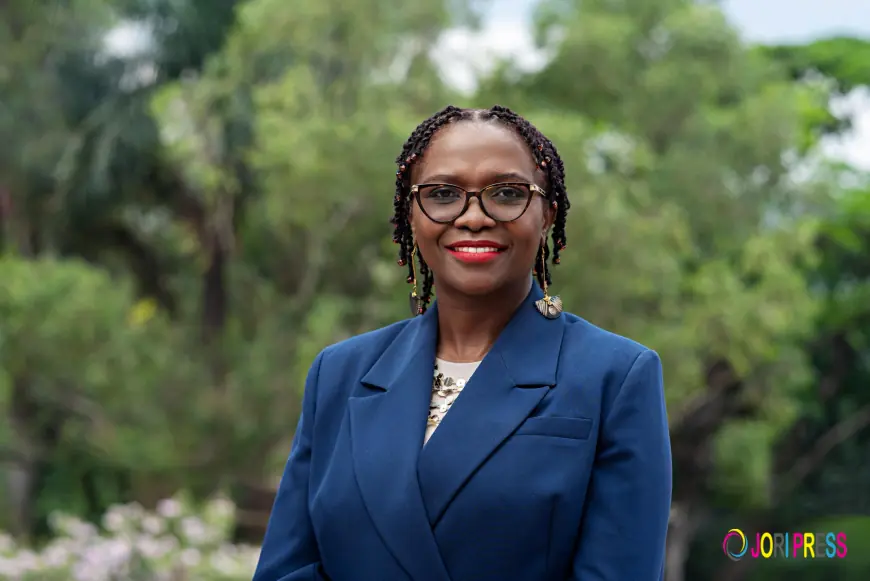
Dr. Penninah Lutung
Dr. Penninah Lutung, Executive Director AHF Africa said that "We cannot beg our way out of a $43 per person deficit. With donor priorities shifting and assistance declining, Africa must pivot from reliance to sovereignty. This isn't just about health; it’s about continental security."
During the webinar, Dr. Julius Simon Otim, Senior Health Officer, Medicines and Food Safety, EAC Secretariat while making his remarks said that there is a need for a stronger coordination, harmonized systems, and trust among countries to make pooled procurement work while leveraging on political cooperation which are essential for countries to pool resources for medicines procurement.
“Pooled procurement gives countries stronger bargaining power, improve access to medicines, strengthen regional cooperation and better prices for medicines. By buying medicines together, countries benefit from economies of scale and shared expertise.”
The Deputy Executive Director, AHF Global Public Health, Oluwakemi Gbadamosi, said that in order to ensure Africa’s policies and framework matter, there is need to implement them at national levels to create markets for local medical producers.
“Continental policies only matter when they are implemented nationally. Africa’s policy and legal frameworks already speak to our health sovereignty needs. The challenge is no longer policy, but implementation. If we do not create binding markets for locally produced medical products, regional manufacturing will struggle to survive. The Africa Medicines Agency can only deliver if it is fully ratified, resourced, and backed by strong national regulators” she said.
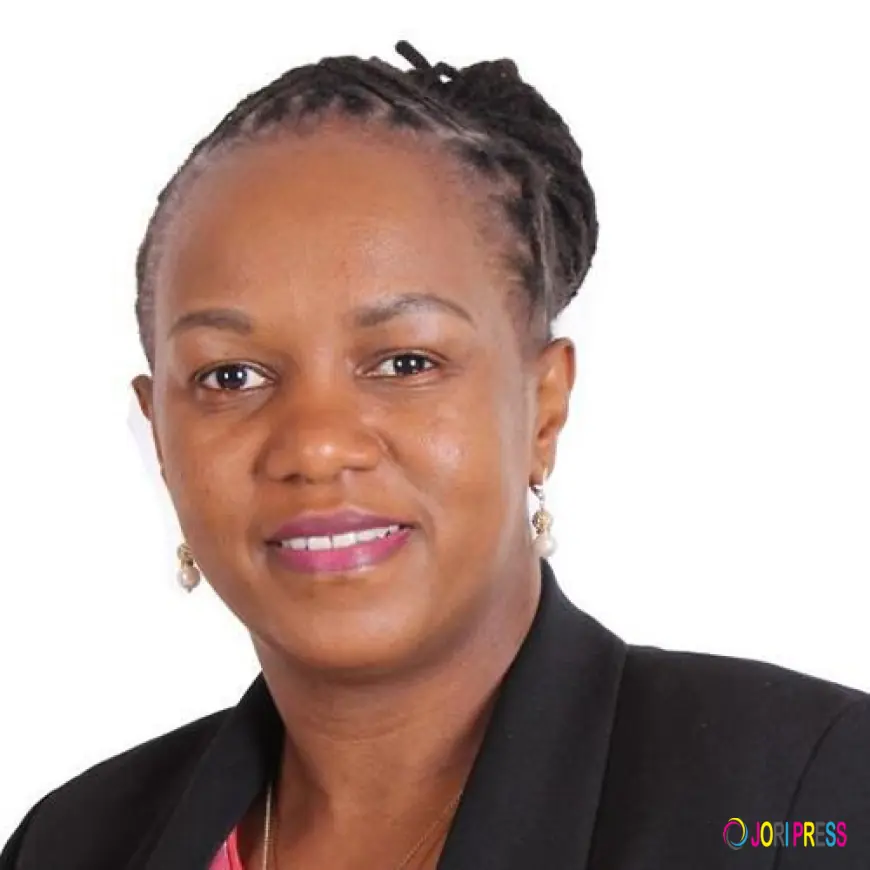
Rosemary W. Mburu, Executive Director, WACI Health
On redefining Health Sovereignty & Partnerships, Rosemary W. Mburu, Executive Director, WACI Health challenged the traditional view of independence, noting that health sovereignty isn't about isolationism. Instead, it’s about shifting the power dynamic toward "stronger, respectful, and mutually reinforcing partnerships."
To achieve this, Rose Mary said that the focus must shift inward towards such as domestic resource mobilization using African resources and better prioritization and transparent governance.
According to experts in April 2023, Africa CDC launched Africa’s New Public Health Order, (NPHO) a long-term vision for a more resilient, inclusive, and equitable public health system in Africa. This new vision seeks to address the fundamental challenges that have made Africa vulnerable to public health threats in the past.
The NPHO is an ambitious but achievable goal, and its potential benefits are immense that require a sustained commitment from African leaders and the international community to achieve it.
What's Your Reaction?
 Like
0
Like
0
 Dislike
0
Dislike
0
 Love
0
Love
0
 Funny
0
Funny
0
 Angry
0
Angry
0
 Sad
0
Sad
0
 Wow
0
Wow
0