








































Architectural Uses of Chequered Plates: Decorative Cladding, Stair Treads and Modern Interiors
To know more about Chequered plates, we have discussed in architectural uses of chequered plates: decorative cladding, stair treads and modern interiors

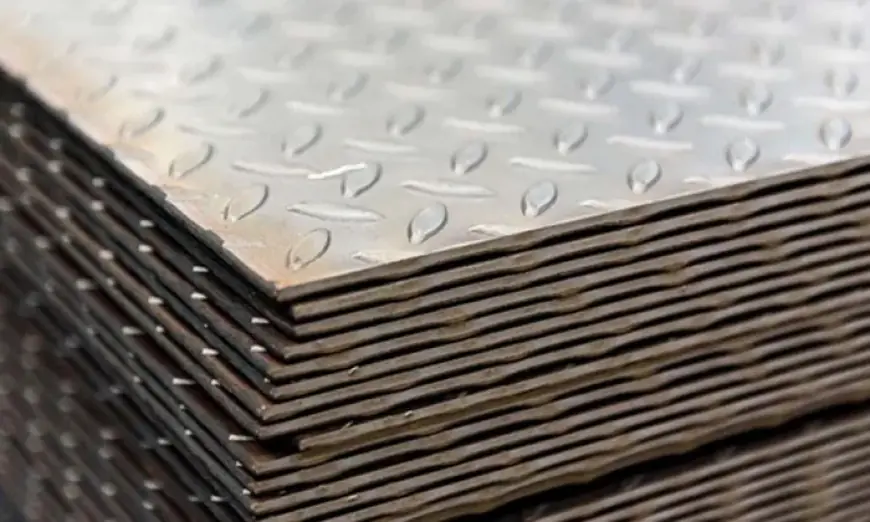
Function and style are combined in chequered plates, also known as tread plates or diamond plates. Beyond industrial floors, it is utilized in modern architecture for bold interior features, sculpted stair treads, and ornamental cladding. For designers looking for metal's strength with a tactile surface, chequered plate is a favorite because of its raised pattern, which adds texture, durability, and visual interest.
Decorative cladding: texture with resilience
Both exterior facades and interior feature walls work well with chequered plates. Flat planes without much ornamentation gain depth from the patterned surface's ability to capture light and shadow. Chequered aluminum or stainless steel plates are lightweight and resistant to corrosion when used outdoors, which is crucial for lightweight framing. Mild steel with powder finishes or protective coatings adds warmth and personality indoors.
To create contrast or lessen the metallic sheen, designers combine chequered cladding with wood, glass, or corten steel. Panels can be arranged in diagonals, grids, or unique patterns that mimic the geometry of a building. A tread plate's aesthetic application is extended beyond simple metal sheeting by perforations and backlighting, which transform it into a glowing screen.
Stair treads: safety meets style
The chequered plate’s raised pattern improves traction, making it ideal for stair treads in public and commercial buildings. The texture reduces slip risk even when surfaces are wet, combining safety with a contemporary look.
When specifying treads, consider thickness and support: robust plates on solid stringers minimise vibration, while thinner plates bonded to timber or concrete are cost-efficient. Edge treatments—nosing, anti-trip edges and contrasting strips—enhance visibility and accessibility. Finishes range from polished stainless for a refined look to colored powder coats that tie into the interior palette.
Integration into modern interiors
Chequered plate creates an industrial-chic look in contemporary interior design. It is used for counters, bar fronts, partition screens, and ceiling accents in restaurants, shops, and offices. Chequered metal can be used to define zones in open-plan spaces, such as work areas, circulation routes, or lounge areas, while still providing a sturdy surface.
Chequered plates are used by furniture manufacturers to give shelving, cabinet faces, and custom pieces a rough yet elegant appearance. The material is appropriate for high-touch surfaces and demanding settings like commercial kitchens and exhibition spaces because it can withstand heavy wear and frequent cleaning. While stainless steel provides a superior, hygienic finish, aluminum versions lighten furniture.
Practical matters: fabrication, finishes and reuse
Fabrication and detailing are critical to the success of chequered plates in architecture. To align the tread across joints, precise metalworking is required when cutting and welding patterned plates. To prevent buckling, fixing systems should allow for thermal movement, especially for external panels.
Finishes influence longevity and appearance. Galvanizing, anodizing (for aluminum) and marine-grade stainless steel resist corrosion in harsh climates. Powder coating expands color choices and adds scratch resistance, though it can slightly soften the tactile contrast. Many chequered plates are made with high recycled content and remain fully recyclable, supporting circular-design goals.
Design tips and applications
To use chequered plate well: let the pattern guide circulation; balance metal with softer materials to prevent an institutional feel; and choose pattern scale suited to the application—larger patterns for facades, finer patterns for interiors. Typical uses include industrial-style retail fit-outs, gallery ramps, feature staircases, and PEB entryways where a strong first impression matters.
Maintenance and long-term care are straightforward: cleaning with mild detergents removes grime while avoiding abrasive pads preserves the raised pattern. For exterior installations, inspect fastenings and sealants annually to prevent moisture ingress. When welding or bolting panels, use compatible fillers and corrosion-resistant fasteners to maintain structural integrity. Acoustic concerns can be addressed by mounting chequered panels over absorptive backings or acoustic insulation to reduce reverberation.
A short case example: an urban cafe used aluminum chequered cladding for its service counter and stair treads. The metallic finish contrasted with timber seating, creating a contemporary-industrial vibe. The owner reported easy maintenance and a distinctive brand look, showing how chequered plate can contribute both functionally and visually to small commercial projects and lasting appeal.
Conclusion
Chequered plate bridges utility and design. As durable cladding that manipulates light, non-slip stair treads that prioritise safety, and textured accents in modern interiors, it offers architects a versatile palette. With considered detailing and appropriate material choices, chequered plate elevates metal from merely functional to a crafted architectural element that endures in performance and style.
What's Your Reaction?
 Like
0
Like
0
 Dislike
0
Dislike
0
 Love
0
Love
0
 Funny
0
Funny
0
 Angry
0
Angry
0
 Sad
0
Sad
0
 Wow
0
Wow
0