


































A Practical Guide To Creating A Strong Company Logo
Learn how to design a company logo with clear steps for colors, fonts, symbols, testing, and branding that supports long term recognition.
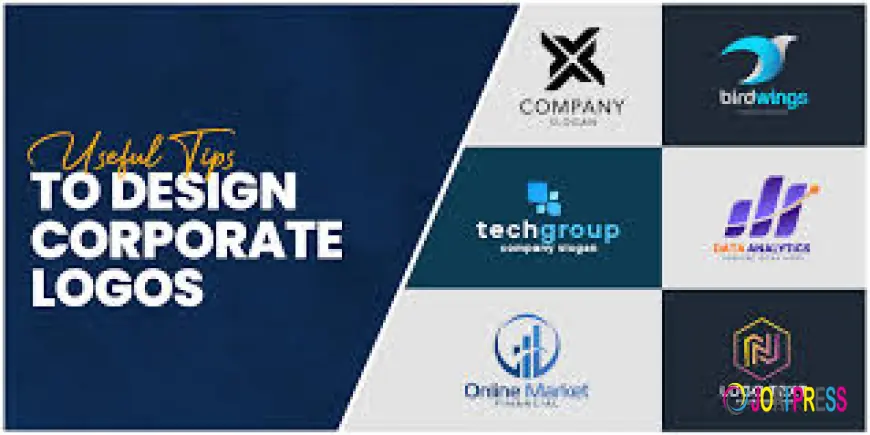
A company logo is often the first visual sign people remember about a business. It appears on websites, packaging, social media, business cards, ads, proposals, storefronts, and invoices. A strong logo does more than look attractive. It gives the business a clear identity, supports recognition, and helps customers understand the brand before they read a single sentence.
Many business owners search for how to design a company logo because they want something professional, memorable, and practical. The process is not only about choosing a nice icon or stylish font. It requires strategy, research, design sense, and a clear idea of how the logo will be used in real situations.
Logo Outlets understands that logo design is a long term branding decision, not just a quick graphic task. When a logo is planned correctly, it can support trust, create recall, and give every marketing material a more consistent appearance.
Start With Brand Clarity
Before opening any design tool, start with the business itself. A logo should reflect what the company does, who it serves, and how it wants to be seen. A law firm, bakery, fitness brand, real estate company, and technology startup should not all feel the same visually. Each business needs a logo that matches its audience and market position.
Ask a few simple questions first. What does the company offer? Who is the ideal customer? Should the brand feel modern, premium, friendly, bold, corporate, playful, or simple? What makes the business different from competitors?
This step matters when learning how to design a company logo because visual choices must come from brand meaning. Without a clear direction, the logo may look random, generic, or disconnected from the business.
Research The Industry
Research helps you avoid copying others while understanding what customers already expect in your industry. Look at competitor logos, color choices, typography, symbols, and layout styles. Notice what feels overused and what feels fresh. The goal is not to imitate. The goal is to create a logo that fits the market while still giving the company its own identity.
For example, financial brands often use strong typography, blue tones, shields, pillars, or geometric marks. Beauty brands may use softer fonts, clean spacing, initials, or elegant symbols. Construction companies often prefer bold letters, strong shapes, and practical colors.
Professional logo design services often begin with research because it prevents weak design decisions. A logo based only on personal taste may not connect with the right audience.
Choose The Right Logo Type
There are different types of logos, and each one serves a different purpose. A wordmark uses the company name as the main design. A lettermark uses initials. A symbol based logo uses an icon or graphic mark. A combination logo includes both text and a symbol. An emblem places the name inside a badge or seal style layout.
For new businesses, a combination logo is often useful because it shows the name and creates a visual symbol at the same time. Once people recognize the brand, the symbol may work alone in social media icons, app icons, merchandise, or packaging.
When thinking about how to design a company logo, choose a format that fits the brand name, industry, and long term use. A short business name may work well as a wordmark. A long name may need a cleaner symbol or initials to improve readability.
Select Colors With Purpose
Color has a strong effect on how people feel about a brand. Blue can suggest trust and stability. Green may connect with growth, nature, health, or finance. Black can feel premium, bold, or modern. Red brings energy and urgency. Yellow feels bright and friendly. Neutral colors can make a brand look clean and professional.
The best color palette depends on the business personality and customer expectations. Avoid choosing colors only because they are trendy. Trends change quickly, but a company logo should last for years. It is usually better to choose two or three main colors and keep the palette simple.
A good logo should also work in black and white. If the design loses its meaning without color, it may not be strong enough. Many designers first test the logo in one color before finalizing the full palette.
Pick Typography That Matches The Brand
Typography can change the entire feeling of a logo. A serif font may feel traditional, established, or formal. A sans serif font may look modern, simple, and direct. Script fonts can feel personal or stylish, but readability matters. Display fonts can create a bold impression, but they may become difficult to use across platforms.
The font should be easy to read and suitable for the brand personality. Spacing, letter thickness, and alignment also matter. Even a simple text based logo can look professional when the typography is handled well.
Logo Outlets focuses on the idea that every letter should feel intentional. A logo does not need too many effects to look strong. Clean typography often performs better than complicated design.
Keep The Design Simple
A logo must be easy to recognize. Too many colors, details, shadows, thin lines, or complex shapes can make it hard to use. A simple design is easier to remember and easier to apply across digital and print materials.
Think about all the places the logo may appear. It could be used on a website header, mobile screen, product label, email signature, social media profile, outdoor sign, uniform, vehicle wrap, or presentation deck. If the logo only looks good in one size, it is not practical enough.
This is a key part of how to design a company logo because real world use matters. A logo should stay clear when scaled up or down. It should also have different versions, such as horizontal, vertical, icon only, full color, black, white, and transparent background versions.
Create A Symbol With Meaning
Not every logo needs a symbol, but if you use one, it should have a reason. Symbols can come from the company name, service type, location, values, initials, industry, or customer benefit. The symbol should be simple enough to remember and distinct enough to separate the company from similar businesses.
Avoid using generic icons that look like stock graphics. A roof for every real estate business, a leaf for every natural brand, or a gear for every technical company may not be enough to create recognition. The best symbols often take a familiar idea and present it in a cleaner or more original way.
Test The Logo Before Final Approval
Before finalizing the design, test it in real situations. Place it on a website mockup, social media profile, business card, packaging sample, invoice, and signboard preview. Check if it remains readable. See how it looks beside competitors. Ask whether the design still feels clear without explanation.
Businesses that use logo design services usually receive different logo concepts, revisions, and final files for multiple uses. This makes the process easier and reduces the risk of ending up with a design that looks good in one place but fails everywhere else.
Prepare The Right Final Files
A finished logo should come in proper formats. Vector files are important because they can be resized without losing quality. Common final files may include AI, EPS, SVG, PDF, PNG, and JPG. Transparent background files are useful for websites and social media. Black and white versions are helpful for printing, stamps, embroidery, and official documents.
Brand guidelines are also helpful. They explain logo spacing, colors, fonts, and correct usage. Even basic guidelines can keep the brand consistent when different people handle marketing materials.
Understanding how to design a company logo also means understanding delivery. A logo is not complete until the business has the right files and clear usage rules.
Avoid Common Logo Mistakes
Many logos fail because they try to do too much. Avoid using too many fonts, crowded symbols, low quality icons, trendy effects, poor spacing, and colors that clash. Do not copy competitor logos or use designs that are too similar to another brand. A copied or generic logo can hurt trust and may create legal issues.
Another common mistake is designing only for personal preference. The logo should represent the business and appeal to the customer. A founder may love a certain color or font, but that does not always mean it is right for the market.
Final Thoughts
A company logo is a serious part of brand identity. It should be clear, practical, memorable, and connected to the business strategy. From research and color selection to typography, symbol creation, testing, and final file delivery, every step affects how the brand appears in front of customers.
Logo Outlets can help businesses think beyond basic graphics and move toward logo designs that support long term recognition. If you are learning how to design a company logo, start with strategy, keep the design simple, and make sure every visual choice has a purpose. A strong logo can give the business a cleaner, more professional look across every customer touchpoint.
What's Your Reaction?
 Like
0
Like
0
 Dislike
0
Dislike
0
 Love
0
Love
0
 Funny
0
Funny
0
 Angry
0
Angry
0
 Sad
0
Sad
0
 Wow
0
Wow
0