




































What Is Radiology and Why It’s Important
Discover what radiology is, its types, and why it’s vital for accurate diagnosis and modern medical care across all health specialties.

Introduction
In today’s world, medical science has advanced beyond imagination. From diagnosing diseases early to planning precise treatments, technology has become a doctor’s strongest ally. At the heart of this progress lies radiology — a medical field that allows doctors to see inside the human body without surgery.
Radiology plays an essential role in nearly every aspect of modern healthcare. Whether it’s detecting a broken bone, diagnosing cancer, or monitoring heart and brain health, radiology helps physicians make informed and timely decisions.
Let’s explore what radiology is, how it works, the different types, and why it’s a cornerstone of modern medicine.
1. What Is Radiology?
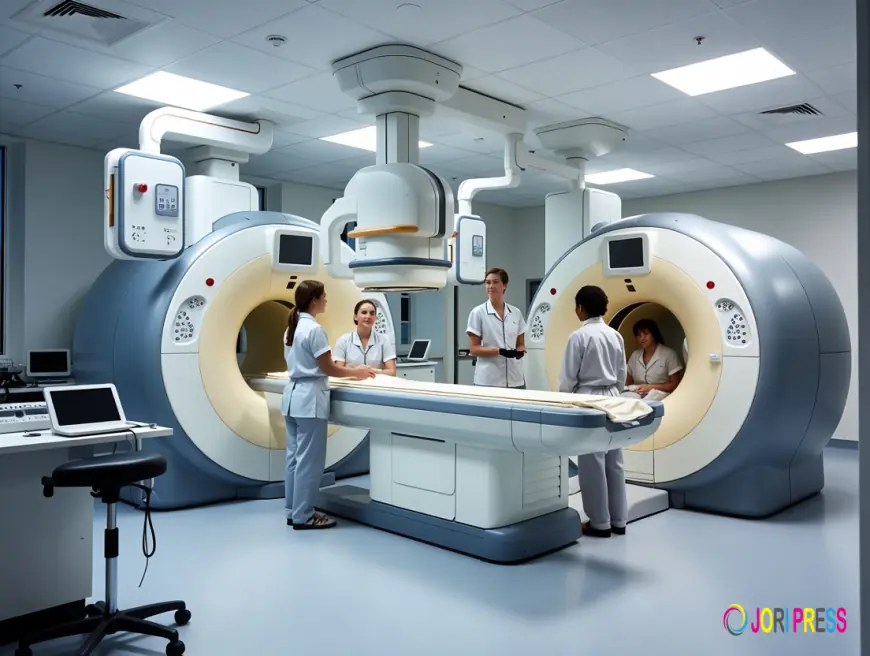
Radiology is a branch of medicine that uses imaging technology to diagnose and sometimes treat diseases within the body. It involves capturing images of internal organs, tissues, and bones using advanced tools such as X-rays, CT scans, MRI, and ultrasound.
A radiologist is a specialized doctor who interprets these images to help identify abnormalities, plan treatments, and monitor progress. Radiology bridges the gap between medical science and technology, providing a clear view of what’s happening inside your body.
In simple terms, radiology answers questions that can’t be solved by a physical exam alone.
2. Types of Radiology
Radiology is broadly divided into two main categories:
A. Diagnostic Radiology
This type focuses on identifying diseases and conditions. Common imaging techniques include:
-
X-rays: Used to examine bones, lungs, and dental structures.
-
CT (Computed Tomography) scans: Provide detailed 3D images of organs and soft tissues.
-
MRI (Magnetic Resonance Imaging): Excellent for imaging soft tissues like the brain, muscles, and joints.
-
Ultrasound: Commonly used during pregnancy and to assess abdominal organs.
-
Mammography: A specialized X-ray for detecting breast cancer early.
B. Interventional Radiology
This is a minimally invasive branch where imaging guidance is used for treatment. Examples include:
-
Angioplasty: Opening narrowed blood vessels.
-
Biopsies: Removing tissue samples for lab testing.
-
Tumor ablation: Using heat or cold to destroy tumors.
Interventional radiology often replaces the need for open surgery, leading to quicker recovery and less pain for patients.
3. How Radiology Works
Radiology relies on different technologies to create images of the body. Here’s a quick look at how some of them function:
-
X-rays: Use small doses of radiation to capture images of dense structures like bones.
-
CT scans: Combine multiple X-rays from different angles to produce detailed cross-sectional views.
-
MRI scans: Use magnetic fields and radio waves to create images without radiation.
-
Ultrasound: Employs sound waves to visualize organs and blood flow.
Each imaging method serves a unique purpose, helping doctors choose the right one depending on symptoms or suspected conditions.
4. The Role of Radiologists
Radiologists are medical doctors who specialize in interpreting medical images. They don’t just look at pictures — they analyze patterns, spot irregularities, and provide detailed reports that guide clinical decisions.
They collaborate closely with physicians from various fields — from gynecologists in Sharjah to cardiologists and orthopedic surgeons — to ensure accurate diagnosis and treatment planning.
For example, if a patient experiences pelvic pain, a radiologist might analyze an ultrasound or MRI scan to help a gynecologist identify possible causes such as fibroids or cysts.
This collaboration ensures patients receive precise, targeted, and effective care.
5. Why Radiology Is Important in Modern Medicine
Radiology is often called the “eyes of medicine” — and for good reason. It provides vital insights that can’t be achieved through physical examination or lab tests alone.
Here’s why it’s so crucial:
A. Early Disease Detection
Radiology enables the detection of diseases long before symptoms appear. Early diagnosis of conditions like cancer, heart disease, and neurological disorders significantly increases treatment success rates.
B. Accurate Diagnosis
Imaging helps confirm or rule out medical conditions with precision, minimizing guesswork. For example, an MRI can differentiate between tissue inflammation and a tumor — two conditions that require completely different treatments.
C. Monitoring Treatment Progress
Doctors use imaging to track how well treatments are working. Whether you’re undergoing chemotherapy, orthodontic treatment Sharjah, or heart medication, radiology can monitor changes and help adjust care plans effectively.
D. Guiding Procedures and Surgeries
In interventional radiology, imaging tools guide minimally invasive procedures, such as inserting stents or removing blockages. This reduces surgical risks and speeds up recovery time.
E. Reducing Healthcare Costs
Early detection and non-invasive treatments help prevent complications and reduce the need for expensive surgeries or long hospital stays.
6. Radiology Across Medical Specialties
Radiology isn’t limited to one type of medicine — it supports almost every healthcare specialty:
-
Cardiology: Imaging techniques like echocardiograms and CT angiography help cardiologists assess heart function and detect blockages. At a leading cardiology clinic Sharjah, radiology plays a crucial role in identifying early signs of heart disease and guiding interventions.
-
Gynecology: Ultrasound and MRI are essential tools for monitoring pregnancy, diagnosing pelvic conditions, and detecting reproductive health issues.
-
Orthopedics: X-rays and MRI scans help detect bone fractures, ligament injuries, and joint problems.
-
Dentistry: Radiographic imaging aids orthodontists in planning treatments and aligning teeth properly.
-
Neurology: Brain scans are vital for detecting strokes, tumors, and other neurological disorders.
The versatility of radiology makes it indispensable in nearly every branch of healthcare.
7. Advancements in Radiology Technology
Modern radiology continues to evolve with innovations that make imaging safer, faster, and more accurate.
Some of the latest advancements include:
-
3D and 4D imaging: Offers detailed views for better diagnosis and surgical planning.
-
AI-assisted radiology: Artificial intelligence helps radiologists detect patterns faster and with higher precision.
-
Low-dose radiation scanners: Minimize exposure without compromising image quality.
-
Portable imaging devices: Allow real-time diagnostics even in remote locations or emergency situations.
These advancements make radiology more accessible and effective, improving patient outcomes across all age groups.
8. Safety and Precautions in Radiology
While radiology often involves radiation, modern imaging techniques are designed to minimize exposure. Diagnostic tests like X-rays and CT scans use the lowest effective dose necessary.
Patients are always advised to inform their doctors if they are pregnant, breastfeeding, or have medical implants. For expectant mothers, ultrasound and MRI are preferred as they do not use ionizing radiation.
Your doctor and radiologist will ensure that every scan is justified, safe, and beneficial for your health.
9. The Future of Radiology
The future of radiology looks incredibly promising. With the integration of AI, robotics, and 3D imaging, the field is moving toward faster, more personalized healthcare.
Imagine a world where AI algorithms instantly flag abnormalities, or where 3D-printed models created from scans guide surgeons during complex procedures. These innovations are already becoming reality in many modern hospitals.
Radiology will continue to evolve, not just as a diagnostic tool but as a key player in preventive and personalized medicine.
10. When Should You Get a Radiology Test?
You may need a radiology test if you experience:
-
Persistent pain or swelling in any part of the body
-
Unexplained symptoms that don’t improve with medication
-
Injuries, fractures, or internal bleeding
-
Heart or lung-related symptoms such as chest pain or shortness of breath
-
Pregnancy or fertility-related monitoring
Always consult your doctor before scheduling any imaging test. They’ll determine which scan is necessary and guide you through the process.
Conclusion
Radiology has revolutionized modern healthcare by enabling doctors to detect, diagnose, and treat conditions with accuracy and precision. From simple X-rays to complex MRI scans, radiology helps save lives every single day.
Whether it’s identifying a fracture, detecting heart disease, or supporting a gynecologist in Sharjah with prenatal care, radiology plays a vital role in every patient’s journey. Its importance in medicine cannot be overstated—it’s the foundation of accurate diagnosis, safe treatment, and effective monitoring.
As technology continues to advance, radiology will remain at the forefront of medical innovation, helping doctors provide better, faster, and more personalized care for everyone.
What's Your Reaction?
 Like
0
Like
0
 Dislike
0
Dislike
0
 Love
0
Love
0
 Funny
0
Funny
0
 Angry
0
Angry
0
 Sad
0
Sad
0
 Wow
0
Wow
0