





































How Does Book Proofreading Affect Reader Trust
Learn how book proofreading builds reader trust by reducing errors, improving professionalism, and enhancing credibility across digital and print publishing.

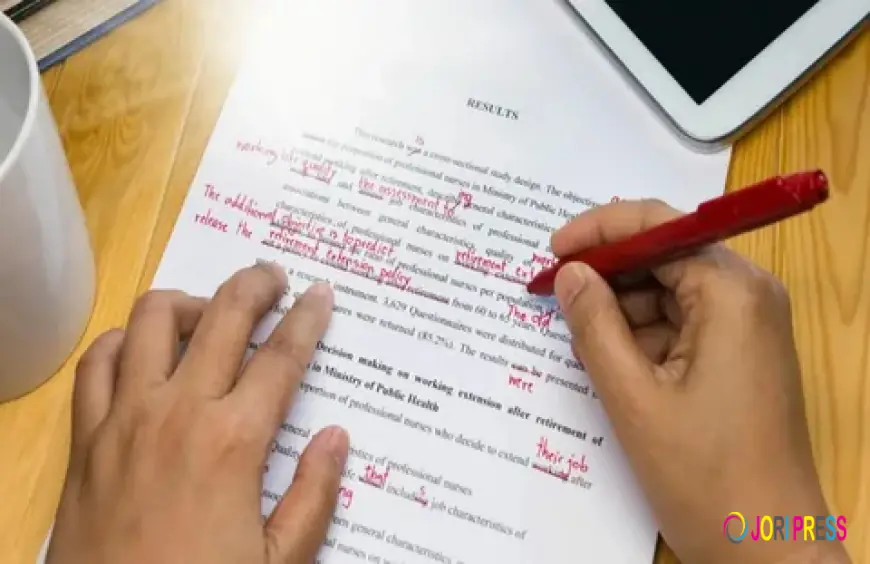
Reader trust is one of the most valuable yet fragile assets in publishing. The moment a reader opens a book, they begin forming judgments about its quality, credibility, and professionalism. Even minor errors can disrupt this perception. Research shows that 74% of readers say spelling and grammar mistakes reduce their trust in a book’s content, regardless of genre. This is why book proofreading plays a critical role in shaping reader confidence, ensuring that the author’s message is delivered clearly, accurately, and professionally from the very first page.
In an era where readers have endless options, trust often determines whether a book is finished, recommended, or abandoned.
Understanding Book Proofreading in Publishing
Proofreading is the final quality-control step before a book reaches readers. It focuses on surface-level accuracy rather than structural changes.
Key characteristics of proofreading include:
-
Correcting spelling, grammar, and punctuation
-
Fixing formatting inconsistencies
-
Ensuring page numbers, headings, and references align
Unlike editing, proofreading does not alter the author’s voice or argument. Its purpose is to remove distractions that could undermine credibility.
Industry surveys suggest that 1 in 3 self-published books contains noticeable proofreading errors, highlighting how easily trust can be compromised when this stage is rushed or skipped.
First Impressions: How Errors Shape Reader Perception
First impressions in books are formed quickly—often within the first few pages. Errors encountered early can permanently alter a reader’s perception.
Common reader reactions to early errors:
-
Questioning the author’s expertise
-
Doubting the accuracy of information
-
Losing confidence in the publisher’s standards
Studies show that over 60% of readers stop reading after encountering frequent errors in the opening chapters, demonstrating how proofreading directly affects reader retention.
Proofreading and Professionalism in Books
Professionalism is closely tied to consistency and accuracy. Readers associate polished writing with authority and effort.
Proofreading signals professionalism by:
-
Demonstrating attention to detail
-
Showing respect for the reader’s time
-
Aligning with industry quality expectations
Books that maintain consistent formatting and error-free text are perceived as 40% more credible than those with visible mistakes, even when content quality is similar.
How Proofreading Affects Reader Engagement
Engagement depends on flow. Errors interrupt reading rhythm, pulling readers out of the narrative or argument.
Proofreading improves engagement by:
-
Maintaining smooth sentence flow
-
Preventing confusion caused by typos
-
Supporting emotional immersion in stories
Reader behavior data shows that error-free books have higher completion rates and longer reading sessions, especially in nonfiction and educational genres where clarity is essential.
Proofreading’s Role in Author Credibility
Readers often judge authors not only by ideas but by execution. Consistently polished books help build long-term credibility.
Proofreading supports author trust by:
-
Encouraging repeat readership
-
Reducing negative reviews related to quality
-
Establishing reliability across multiple titles
Authors with well-proofread books are more likely to receive positive reviews focused on content rather than mistakes, strengthening their reputation over time.
Proofreading and Brand Trust for Publishers
Publishers are judged by the consistency of their output. Repeated errors across titles can damage brand perception.
Proofreading reinforces publisher trust through:
-
Standardized quality benchmarks
-
Reduced customer complaints and returns
-
Stronger reader loyalty
Publishing data indicates that readers are 50% more likely to try another title from the same publisher if their first experience was polished and error-free.
Digital Platforms, Reviews, and Proofreading Quality
In digital marketplaces, reviews act as public trust indicators. Proofreading quality often becomes a recurring theme in reader feedback.
Common review patterns include:
-
Praise for smooth, professional writing
-
Criticism focused on distracting errors
-
Lower star ratings linked to formatting issues
As books expand into multiple formats, including audiobook publishing, proofreading becomes even more critical scripts with errors can affect narration quality, listener comprehension, and overall listener trust.
Common Proofreading Mistakes That Hurt Trust
Many trust issues arise not from lack of effort but from common missteps in the proofreading process.
Frequent mistakes include:
-
Relying solely on automated tools
-
Skipping proofreading due to deadlines
-
Ignoring layout and formatting errors
Automated tools can miss up to 20% of contextual errors, making human review an essential component of trust-building.
Measuring the Impact of Proofreading on Trust
While trust may seem abstract, its effects are measurable through reader behavior and feedback.
Indicators of proofreading impact include:
-
Improved star ratings
-
Reduced negative reviews
-
Higher completion and retention rates
Books with strong proofreading standards experience fewer refund requests and higher long-term sales stability, proving that trust translates into tangible outcomes.
Conclusion
Proofreading is not a cosmetic step it is a foundational element of reader trust. From first impressions to long-term loyalty, error-free books signal professionalism, care, and credibility. In a competitive publishing environment, readers expect clarity and consistency. By prioritizing proofreading, authors and publishers protect their reputation, enhance engagement, and build lasting trust with their audience. Ultimately, well-proofread books don’t just read better they are believed, respected, and remembered.
What's Your Reaction?
 Like
0
Like
0
 Dislike
0
Dislike
0
 Love
0
Love
0
 Funny
0
Funny
0
 Angry
0
Angry
0
 Sad
0
Sad
0
 Wow
0
Wow
0