



































5C Emergency Collet – High-Precision Machinable Collet for CNC & Lathe
The 5C emergency collet is a high-precision, machinable workholding solution designed for CNC machines and manual lathes. Unlike standard collets, it features a blank or undersized bore that can be custom-machined to fit irregular, delicate, or non-standard workpieces with exceptional concentricity. This customization ensures superior gripping force, reduced part deformation, and improved machining accuracy. Widely used in precision manufacturing industries, the 5C emergency collet offers flexibility, cost efficiency, and faster setup times compared to custom fixtures. When compared with systems like the 173e collet, it provides greater versatility for turning operations while maintaining excellent precision. With proper machining and maintenance, it delivers long-term reliability, making it an essential tool for modern machining environments.
In modern machining, precision and adaptability are critical factors that define productivity and part quality. Among the many workholding solutions available today, the
Whether used in CNC machines or manual lathes, emergency collets play a vital role in achieving tight tolerances while minimizing setup time. This article explores the design, working principles, applications, benefits, and selection criteria of the 5C emergency collet, while also comparing it with other popular systems such as the
Understanding the 5C Collet System
The 5C system is one of the most widely used collet standards in the machining industry. Known for its simplicity and reliability, a 5C collet is commonly used for holding round, square, or hexagonal stock. It fits into collet chucks, closers, or fixtures and is actuated by a drawbar or lever mechanism.
A standard collet is manufactured with a fixed bore size. While this works well for regular production jobs, it can be limiting when parts fall outside standard dimensions. This is where the 5c emergency collet becomes indispensable.
What Is a 5C Emergency Collet?
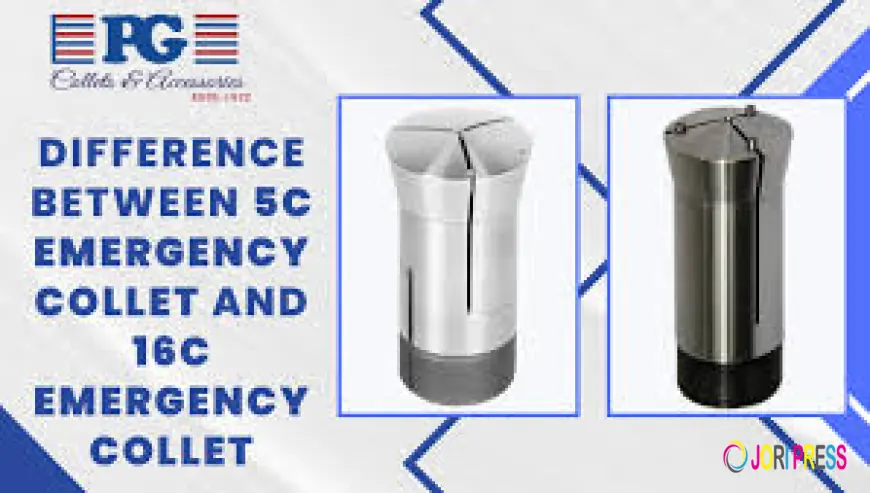
A 5c emergency collet is a soft or semi-hardened collet that is supplied with an undersized or blank bore. Unlike standard collets, it is designed to be machined by the user to match the exact shape and size of the workpiece. This customization enables maximum contact between the
Emergency collets are commonly made from mild steel or soft steel, allowing easy machining without specialized tooling. Once bored or shaped, the collet behaves like a dedicated custom fixture, but at a fraction of the cost and setup complexity.
Why Machinability Matters in Precision Workholding
Machinability is the defining feature of a 5c emergency collet. By machining the bore directly in the machine spindle, the collet achieves near-perfect concentricity with the spindle axis. This is particularly important for:
-
Thin-walled components
-
Fragile materials
-
Irregular or custom profiles
-
Short-run or prototype parts
Because the collet is machined in place, runout errors caused by tolerance stack-up are drastically reduced. This makes emergency collets ideal for high-precision turning, grinding, and secondary operations.
Key Advantages of Using a 5C Emergency Collet
1. Superior Accuracy
The in-place machining process ensures excellent concentricity. When precision matters, the 5c emergency collet delivers consistent results.
2. Custom Holding Capability
Unlike standard collets, emergency collets can be bored for odd diameters, steps, tapers, or even special shapes.
3. Reduced Part Deformation
Full-contact gripping distributes clamping pressure evenly, minimizing distortion—especially critical for soft or thin materials.
4. Cost-Effective Customization
Instead of investing in expensive custom fixtures, machinists can modify a single collet for multiple applications.
5. Faster Setup Times
Once machined, the collet can be reused for repeat jobs, reducing setup and changeover time.
Applications Across CNC and Manual Lathes
The 5c emergency collet is widely used across various machining environments, including:
-
CNC turning centers
-
Manual engine lathes
-
Toolroom lathes
-
Grinding machines
-
Secondary operation setups
It is especially popular in industries such as aerospace, automotive, medical devices, and precision engineering, where components often deviate from standard sizes.
Comparison: 5C Emergency Collet vs. Standard Collet
While a standard collet is ideal for holding common stock sizes, it lacks flexibility. A standard collet clamps at limited contact points and may struggle with irregular shapes.
In contrast, a 5c emergency collet provides full customization. By machining the bore to match the workpiece exactly, it ensures better grip, improved accuracy, and reduced vibration. This makes it the preferred choice for specialized or high-precision tasks.
How Does It Compare to a 173E Collet?
The 173e collet is another popular workholding solution, often used in grinding and high-precision applications. It is known for excellent concentricity and fine tolerance control. However, the 173E system typically requires dedicated equipment and can be more expensive.
A 5c emergency collet, on the other hand, offers greater flexibility for turning operations and custom work. While both systems are highly accurate, the 5C emergency option is often more practical for shops that need adaptable solutions without investing in specialized collet systems.
Materials Used in Emergency Collets
Most emergency collets are made from:
-
Mild steel
-
Soft steel
-
Semi-hardened steel
These materials strike a balance between strength and machinability. After machining, some users choose to case-harden or treat the bore for extended tool life, depending on the application.
Best Practices for Machining a 5C Emergency Collet
To get the best performance from a 5c emergency collet, follow these best practices:
-
Machine in the spindle – Always bore the collet while it is clamped in the machine for maximum concentricity.
-
Use sharp tooling – This ensures clean cuts and accurate dimensions.
-
Avoid over-clamping – Excessive force can distort the collet and reduce accuracy.
-
Label modified collets – Keep track of bore sizes for future reuse.
Maintenance and Longevity
With proper care, an emergency collet can last for years. Regular cleaning, avoiding chips in the slots, and storing collets properly will help maintain consistent performance. Even after multiple re-machining cycles, a 5c emergency collet remains a reliable workholding solution.
Choosing the Right Collet for Your Needs
When selecting a collet, consider the following:
-
Workpiece shape and material
-
Required tolerance
-
Machine type
-
Production volume
For high-mix, low-volume work or precision prototypes, emergency collets offer unmatched versatility. For repetitive, standard parts, a regular collet may be sufficient. In many shops, having both options available ensures maximum efficiency.
Conclusion
The 5c emergency collet is an indispensable tool for machinists who demand flexibility, precision, and efficiency. Its ability to be machined to exact specifications makes it ideal for custom, delicate, or irregular components across CNC and manual lathe operations. When compared with standard collets or alternatives like the 173e collet, it offers a unique balance of adaptability and accuracy.
For manufacturers seeking reliable, high-quality collet solutions that enhance productivity and precision, pg collets continues to be a trusted name in the industry, delivering performance-driven workholding solutions tailored to modern machining needs.
FAQs
1. What makes a 5C emergency collet different from a standard collet?
A 5c emergency collet is supplied with a blank or undersized bore that can be machined to fit custom workpieces, unlike standard collets with fixed sizes.
2. Can emergency collets be reused?
Yes. They can be re-machined multiple times, as long as sufficient material remains and accuracy requirements are met.
3. Are emergency collets suitable for CNC machines?
Absolutely. They are widely used in CNC lathes due to their precision, repeatability, and adaptability.
4. How does it compare with a 173e collet?
A 173e collet excels in grinding applications, while a 5c emergency collet is more versatile for turning and custom machining tasks.
5. What material is best for emergency collets?
Mild steel and soft steel are commonly used because they are easy to machine and provide adequate strength.
6. Can I use one collet for multiple shapes?
Yes, but only if the shapes are compatible. Otherwise, separate collets should be machined for each profile.
What's Your Reaction?
 Like
0
Like
0
 Dislike
0
Dislike
0
 Love
0
Love
0
 Funny
0
Funny
0
 Angry
0
Angry
0
 Sad
0
Sad
0
 Wow
0
Wow
0