




































Why Should Growing Companies Invest in SAP Bookkeeping Services?

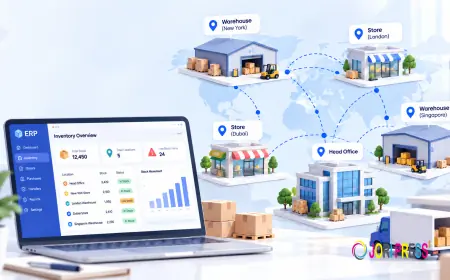
Managing finances for a single business unit is challenging enough, but as companies grow, they often operate across multiple subsidiaries, regions, or legal entities. Each entity may have its own currency, tax regulations, and reporting requirements. This complexity can overwhelm traditional bookkeeping systems, leading to errors, delayed reporting, and compliance risks.
This is where SAP bookkeeping services shine. With advanced capabilities built into platforms like SAP S/4HANA and SAP ERP, SAP enables businesses to manage multi-entity operations seamlessly. But how exactly does it handle this complexity effectively? Let’s explore.
Understanding Multi-Entity Operations
Multi-entity operations refer to companies that operate multiple legal or business units, often in different geographic locations. These entities may:
-
Operate under different currencies
-
Follow varying tax and regulatory requirements
-
Maintain separate books for legal or reporting purposes
-
Require consolidated financial reporting for the parent company
Managing this manually or through disconnected accounting systems can lead to:
-
Data inconsistencies
-
Increased risk of compliance violations
-
Inefficient reconciliation processes
-
Delayed insights for management
SAP bookkeeping services are designed to centralize these processes and reduce the operational burden on finance teams.
How SAP Bookkeeping Services Handle Multi-Entity Operations
1. Centralized Financial Management
SAP provides a centralized platform for all entities, allowing finance teams to manage multiple subsidiaries within a single system. This centralization ensures that:
-
Data is consistent across all entities
-
Reports can be generated in real-time
-
Intercompany transactions are automatically tracked
Instead of juggling multiple ledgers, finance teams can manage multi-entity operations efficiently from one dashboard.
2. Automated Intercompany Transactions
Intercompany transactions are a significant challenge for multi-entity businesses. Traditional systems often require manual reconciliations, increasing errors and consuming time. SAP bookkeeping automates this process:
-
Automatically posts intercompany invoices and payments
-
Tracks eliminations for consolidated financial statements
-
Ensures accurate reporting of profits and balances across entities
Automation reduces errors and ensures compliance with accounting standards like IFRS or GAAP.
3. Multi-Currency Support
Companies operating globally often face challenges in currency conversion, exchange rate fluctuations, and reporting. SAP handles multi-currency operations effectively by:
-
Maintaining separate ledgers for different currencies
-
Automatically calculating gains and losses due to currency fluctuations
-
Providing consolidated reports in a single reporting currency
This enables accurate financial visibility without manual calculations, which is essential for global decision-making.
4. Regulatory Compliance Across Regions
Each entity may operate under different local tax regulations, financial reporting standards, and legal requirements. SAP bookkeeping services help businesses stay compliant by:
-
Integrating local tax codes and reporting requirements into the system
-
Automating tax calculations and filing preparation
-
Providing audit-ready reports for each entity
This reduces compliance risks and ensures that multi-entity operations adhere to local laws and global standards.
5. Consolidated Reporting and Analytics
For parent companies, understanding the overall financial health across multiple entities is critical. SAP bookkeeping services provide:
-
Consolidated financial statements
-
Real-time dashboards showing entity-level and company-wide metrics
-
Analytical tools for forecasting, budgeting, and performance tracking
These insights allow management to make informed strategic decisions and respond quickly to business changes.
6. Seamless Integration with Other Business Functions
Finance does not operate in isolation. Multi-entity businesses often have complex interactions between sales, procurement, inventory, HR, and operations. SAP bookkeeping integrates these functions, ensuring:
-
Sales invoices automatically reflect in accounts receivable
-
Procurement activities update accounts payable
-
Inventory movements are captured in financial statements
This integration eliminates data silos and ensures accurate, real-time financial information across all entities.
Benefits of Using SAP Bookkeeping for Multi-Entity Operations
-
Efficiency: Automates repetitive tasks like intercompany reconciliations, journal postings, and currency conversions.
-
Accuracy: Reduces errors by centralizing data and automating processes.
-
Scalability: Can handle an increasing number of entities as businesses grow.
-
Compliance: Ensures adherence to local regulations and global accounting standards.
-
Visibility: Provides real-time reporting and analytics across all business units.
-
Cost Savings: Reduces the need for manual intervention and external auditing support.
Outsourcing SAP Bookkeeping Services for Multi-Entity Operations
Many businesses choose to outsource SAP bookkeeping services to certified professionals who specialize in multi-entity management. Outsourcing offers several advantages:
-
Access to experts familiar with SAP best practices
-
Reduced internal staffing costs
-
Faster setup and integration for multi-entity processes
-
Scalable support as the company grows
By outsourcing, businesses can leverage the full capabilities of SAP without investing heavily in in-house expertise.
Real-World Applications
Consider a multinational company with subsidiaries in the US, Germany, and India. Each entity uses a different currency and follows local tax laws. SAP bookkeeping services allow:
-
Automated currency conversions
-
Intercompany transaction tracking
-
Local compliance reporting for each region
-
Consolidated reporting for the parent company
This not only saves time and reduces errors but also provides executives with a unified view of the company’s financial health.
Conclusion
Multi-entity operations introduce significant complexity to finance management. Without the right tools, companies risk errors, compliance issues, and delayed reporting. SAP bookkeeping services address these challenges effectively by offering centralized management, automation, multi-currency support, regulatory compliance, and real-time reporting.
Whether managed in-house or through outsourced experts, SAP bookkeeping enables businesses to scale finance operations confidently while maintaining accuracy and compliance. For any company operating across multiple entities, leveraging SAP bookkeeping is not just a smart choice — it is essential for sustainable growth and strategic financial management.
Managing finances for a single business unit is challenging enough, but as companies grow, they often operate across multiple subsidiaries, regions, or legal entities. Each entity may have its own currency, tax regulations, and reporting requirements. This complexity can overwhelm traditional bookkeeping systems, leading to errors, delayed reporting, and compliance risks.
This is where SAP bookkeeping services shine. With advanced capabilities built into platforms like SAP S/4HANA and SAP ERP, SAP enables businesses to manage multi-entity operations seamlessly. But how exactly does it handle this complexity effectively? Let’s explore.
Understanding Multi-Entity Operations
Multi-entity operations refer to companies that operate multiple legal or business units, often in different geographic locations. These entities may:
-
Operate under different currencies
-
Follow varying tax and regulatory requirements
-
Maintain separate books for legal or reporting purposes
-
Require consolidated financial reporting for the parent company
Managing this manually or through disconnected accounting systems can lead to:
-
Data inconsistencies
-
Increased risk of compliance violations
-
Inefficient reconciliation processes
-
Delayed insights for management
SAP bookkeeping services are designed to centralize these processes and reduce the operational burden on finance teams.
How SAP Bookkeeping Services Handle Multi-Entity Operations
1. Centralized Financial Management
SAP provides a centralized platform for all entities, allowing finance teams to manage multiple subsidiaries within a single system. This centralization ensures that:
-
Data is consistent across all entities
-
Reports can be generated in real-time
-
Intercompany transactions are automatically tracked
Instead of juggling multiple ledgers, finance teams can manage multi-entity operations efficiently from one dashboard.
2. Automated Intercompany Transactions
Intercompany transactions are a significant challenge for multi-entity businesses. Traditional systems often require manual reconciliations, increasing errors and consuming time. SAP bookkeeping automates this process:
-
Automatically posts intercompany invoices and payments
-
Tracks eliminations for consolidated financial statements
-
Ensures accurate reporting of profits and balances across entities
Automation reduces errors and ensures compliance with accounting standards like IFRS or GAAP.
3. Multi-Currency Support
Companies operating globally often face challenges in currency conversion, exchange rate fluctuations, and reporting. SAP handles multi-currency operations effectively by:
-
Maintaining separate ledgers for different currencies
-
Automatically calculating gains and losses due to currency fluctuations
-
Providing consolidated reports in a single reporting currency
This enables accurate financial visibility without manual calculations, which is essential for global decision-making.
4. Regulatory Compliance Across Regions
Each entity may operate under different local tax regulations, financial reporting standards, and legal requirements. SAP bookkeeping services help businesses stay compliant by:
-
Integrating local tax codes and reporting requirements into the system
-
Automating tax calculations and filing preparation
-
Providing audit-ready reports for each entity
This reduces compliance risks and ensures that multi-entity operations adhere to local laws and global standards.
5. Consolidated Reporting and Analytics
For parent companies, understanding the overall financial health across multiple entities is critical. SAP bookkeeping services provide:
-
Consolidated financial statements
-
Real-time dashboards showing entity-level and company-wide metrics
-
Analytical tools for forecasting, budgeting, and performance tracking
These insights allow management to make informed strategic decisions and respond quickly to business changes.
6. Seamless Integration with Other Business Functions
Finance does not operate in isolation. Multi-entity businesses often have complex interactions between sales, procurement, inventory, HR, and operations. SAP bookkeeping integrates these functions, ensuring:
-
Sales invoices automatically reflect in accounts receivable
-
Procurement activities update accounts payable
-
Inventory movements are captured in financial statements
This integration eliminates data silos and ensures accurate, real-time financial information across all entities.
Benefits of Using SAP Bookkeeping for Multi-Entity Operations
-
Efficiency: Automates repetitive tasks like intercompany reconciliations, journal postings, and currency conversions.
-
Accuracy: Reduces errors by centralizing data and automating processes.
-
Scalability: Can handle an increasing number of entities as businesses grow.
-
Compliance: Ensures adherence to local regulations and global accounting standards.
-
Visibility: Provides real-time reporting and analytics across all business units.
-
Cost Savings: Reduces the need for manual intervention and external auditing support.
Outsourcing SAP Bookkeeping Services for Multi-Entity Operations
Many businesses choose to outsource SAP bookkeeping services to certified professionals who specialize in multi-entity management. Outsourcing offers several advantages:
-
Access to experts familiar with SAP best practices
-
Reduced internal staffing costs
-
Faster setup and integration for multi-entity processes
-
Scalable support as the company grows
By outsourcing, businesses can leverage the full capabilities of SAP without investing heavily in in-house expertise.
Real-World Applications
Consider a multinational company with subsidiaries in the US, Germany, and India. Each entity uses a different currency and follows local tax laws. SAP bookkeeping services allow:
-
Automated currency conversions
-
Intercompany transaction tracking
-
Local compliance reporting for each region
-
Consolidated reporting for the parent company
This not only saves time and reduces errors but also provides executives with a unified view of the company’s financial health.
Conclusion
Multi-entity operations introduce significant complexity to finance management. Without the right tools, companies risk errors, compliance issues, and delayed reporting. SAP bookkeeping services address these challenges effectively by offering centralized management, automation, multi-currency support, regulatory compliance, and real-time reporting.
Whether managed in-house or through outsourced experts, SAP bookkeeping enables businesses to scale finance operations confidently while maintaining accuracy and compliance. For any company operating across multiple entities, leveraging SAP bookkeeping is not just a smart choice — it is essential for sustainable growth and strategic financial management.
What's Your Reaction?
 Like
0
Like
0
 Dislike
0
Dislike
0
 Love
0
Love
0
 Funny
0
Funny
0
 Angry
0
Angry
0
 Sad
0
Sad
0
 Wow
0
Wow
0