






































Silent Heart Attack in Women: Why Symptoms Differ and What You Need to Know
When we think of a heart attack, the mind often jumps to the "Hollywood version": a man clutching his chest in sudden, crushing pain before collapsing. While this certainly happens, it represents only one facet of cardiovascular emergencies. For women, the reality is often much quieter, more subtle, and far more dangerous.
The "silent" heart attack—clinically known as a Silent Myocardial Infarction (SMI)—is an event that occurs with minimal or unrecognized symptoms. Because these symptoms frequently mimic common ailments like indigestion or fatigue, women are statistically more likely to ignore the warning signs or be misdiagnosed in emergency rooms.
Understanding why symptoms differ in women and how to identify
The Biology of Difference: Small Vessels vs. Big Blockages
To understand why women experience heart attacks differently, we have to look at the plumbing. Men are more prone to "macrovascular" disease—major blockages in the large arteries leading to the heart. When these arteries clog, the heart screams for oxygen, resulting in that classic, localized chest pain.
Women, however, are more likely to suffer from Microvascular Dysfunction. This involves the tiny "twigs" of the arterial tree rather than the main trunk. When these smaller vessels fail, the symptoms are more diffuse. Instead of a sharp "elephant on the chest" sensation, a woman might feel a generalized pressure, a sense of "fullness," or even just a deep, inexplicable discomfort.
Recognizing the Subtle Red Flags
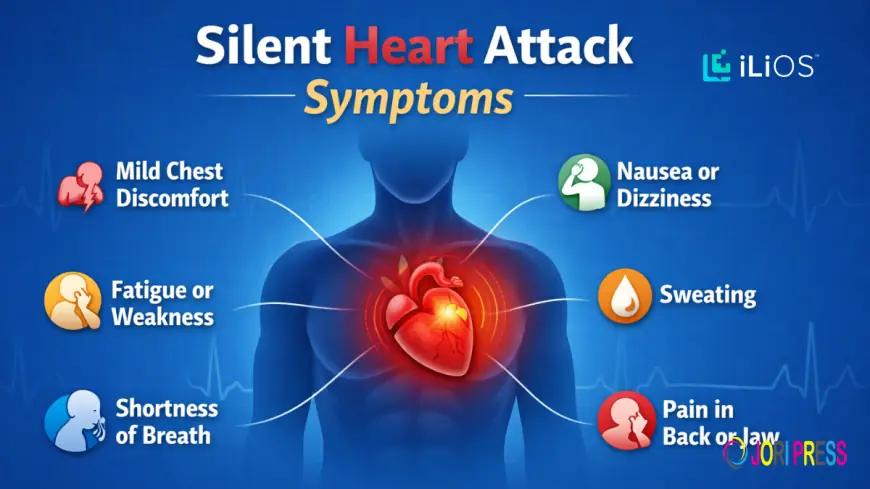
Because the pain isn't always centralized in the chest, women must be vigilant about "atypical" presentations. Here are the most common ways a silent heart attack manifests in the female body:
-
Unusual Fatigue: We aren't talking about the tiredness that follows a long day. This is a sudden, crushing exhaustion that makes simple tasks, like making the bed or walking to the car, feel like a marathon.
-
Shortness of Breath: If you find yourself gasping for air while sitting still or performing light activity, it could be a sign that your heart isn't pumping effectively.
-
Pain in the Jaw, Neck, or Back: Pain from the heart can "radiate." For many women, this manifests as a dull ache in the lower jaw or a sharp pain between the shoulder blades that is often mistaken for a pulled muscle.
-
Nausea and "Indigestion": Many women dismiss a silent heart attack as acid reflux or a bout of the flu. If you have cold sweats accompanied by stomach upset that doesn't resolve with antacids, it warrants immediate attention.
-
A Sense of Impending Doom: Doctors often note that women report a "gut feeling" that something is deeply wrong, even if they can't pinpoint a specific pain.
The Danger of the "Wait and See" Approach
The greatest risk of a silent heart attack isn't the event itself, but the delay in treatment. Every minute that the heart muscle is deprived of oxygenated blood, tissue begins to die. Because women’s symptoms are less dramatic, they often wait hours or even days longer than men to seek medical help.
Furthermore, medical bias remains a hurdle. Historically, heart disease research focused primarily on men, leading to a standard of care that sometimes overlooks female-specific presentations. This is why being your own advocate is vital. If you feel that something is wrong, do not let it be dismissed as "stress" or "anxiety."
Why a Second Opinion Matters
In the world of cardiology, nuances are everything. If you have experienced a cardiac event, have a family history of heart disease, or have been told your symptoms are non-cardiac despite feeling unwell, seeking an
A second opinion allows a sub-specialized cardiologist to review your EKG, blood work (specifically troponin levels), and imaging through a fresh lens. Specialists at Ilios Health can help determine if those "silent" symptoms were actually markers of underlying ischemia. With the rise of digital health, you can now consult with board-certified experts globally to ensure your diagnosis is accurate and your treatment plan is optimized for your specific physiology.
Reducing the Risk: Prevention and Proactivity
While symptoms differ, the risk factors for heart disease are largely shared, though some affect women more intensely. High blood pressure, high cholesterol, and smoking are universal triggers. However, diabetes and mental stress play a disproportionately larger role in increasing heart attack risks for women.
Steps to take today:
-
Know Your Numbers: Keep a close eye on your blood pressure and glucose levels.
-
Listen to the "Quiet": If you experience any of the
Silent Heart Attack Symptoms -
Ask for Specific Tests: If you are at the doctor, ask for a high-sensitivity C-reactive protein (hs-CRP) test or a cardiac calcium score if you have concerns about your risk profile.
Final Thoughts
Heart disease remains the leading killer of women worldwide, yet it is often the most misunderstood. By shifting the narrative away from the "chest-clutching" stereotype and acknowledging the subtle, silent ways the heart communicates distress, we can bridge the gap in female cardiac care.
Your heart speaks a unique language. If you feel it’s trying to tell you something, it’s time to listen—and to ensure you have the best medical experts listening along with you.
What's Your Reaction?
 Like
0
Like
0
 Dislike
0
Dislike
0
 Love
0
Love
0
 Funny
0
Funny
0
 Angry
0
Angry
0
 Sad
0
Sad
0
 Wow
0
Wow
0