





































Medical Honey Oil for Anxiety Disorders: Risks, Benefits, and Dosing Considerations
Medical honey oil is explored as a potential natural aid for anxiety, offering possible neurochemical and anti-inflammatory benefits. However, limited research, dosing uncertainty, product variability, and potential drug interactions require cautious use and medical guidance.

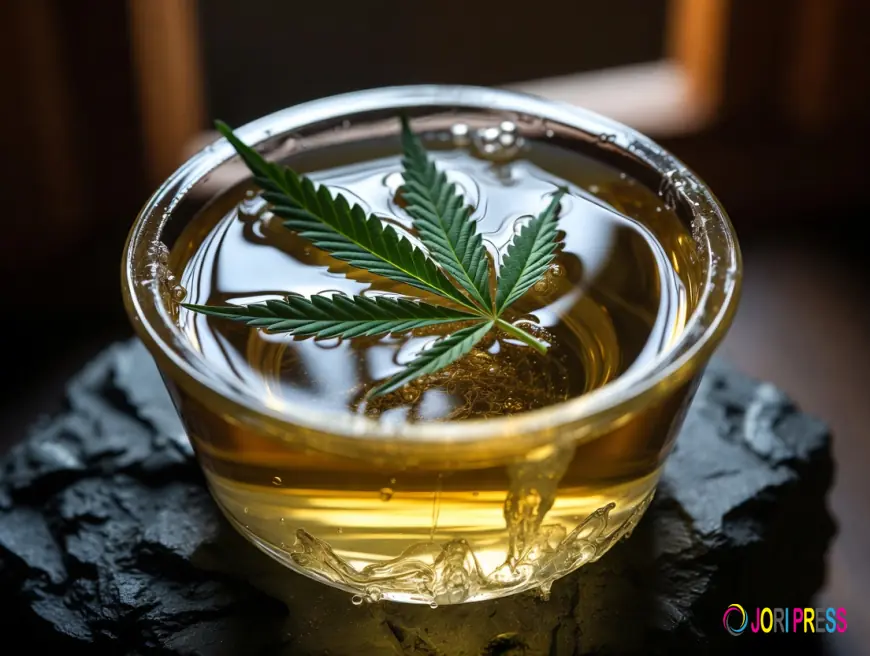
In recent years, alternative and integrative therapies have grown in popularity among those seeking holistic ways to manage anxiety. One such option that has captured attention is medical honey oil—a concentrated extract derived from certain plants and enriched with bioactive compounds. While promising, it’s essential to understand what medical honey oil is, how it may impact anxiety disorders, and what risks or dosing considerations should guide its use.
What is Medical Honey Oil?
Medical honey oil refers to a potent, resinous extract often infused with therapeutic botanicals. Depending on the source plant, it may contain compounds that interact with the body’s neurological and metabolic systems. Traditionally used in various cultures for calming effects, modern extracts aim to harness these properties more consistently.
Unlike standard edible honey, medical honey oil is formulated to deliver higher concentrations of active ingredients, which may include cannabinoids, terpenes, or adaptogenic plant compounds depending on the botanical source. Because of this, its effects can be markedly different from regular honey.
Potential Benefits for Anxiety
Anxiety disorders—ranging from generalized anxiety to panic disorder and social anxiety—are rooted in complex neurochemical, psychological, and environmental factors. Emerging research suggests that certain compounds found in medical honey oil might offer relief through a few mechanisms:
-
Neurochemical Modulation: Some extracts contain bioactive compounds that may interact with neurotransmitters like serotonin and GABA, which play a role in mood regulation and anxiety. For some users, this interaction can reduce feelings of tension and worry.
-
Anti-Inflammatory Effects: Chronic inflammation has been linked with anxiety symptoms. Certain plant-derived components in medical honey oil have anti-inflammatory properties that may improve overall brain health, indirectly supporting emotional regulation.
-
Enhanced Relaxation: Traditional use and anecdotal reports suggest that medical honey oil may promote a relaxed mental state, improved sleep quality, and reduced stress perception—factors that can significantly benefit those with anxiety.
While early findings and firsthand reports are encouraging, it’s important to emphasize that evidence remains limited and clinical trials specifically examining medical honey oil for anxiety are scarce.
Risks and Side Effects
As with any potent botanical extract, medical honey oil carries potential risks:
-
Interactions with Medications: If you’re taking prescription anti-anxiety medications, antidepressants, or sedatives, medical honey oil could interact in unpredictable ways. These interactions might diminish medication effectiveness or amplify side effects.
-
Variability in Potency: Unlike regulated pharmaceuticals, many herbal extracts vary widely in concentration and purity. Without standardization, dosing becomes inconsistent, increasing the risk of unwanted effects.
-
Systemic Effects: Some individuals may experience dizziness, fatigue, gastrointestinal discomfort, or changes in blood pressure when using concentrated extracts.
-
Allergic Reactions: People with sensitivities to specific plant materials should approach medical honey oil with caution.
For individuals with underlying medical conditions—especially cardiovascular issues or hormone-sensitive disorders—consultation with a healthcare provider is essential before use.
Dosing Considerations
Because research on medical honey oil for anxiety is still emerging, there are no universally accepted dosing guidelines. However, here are some practical considerations:
-
Start Low, Go Slow: Begin with the lowest possible dose and monitor your response over several days.
-
Consistency Matters: Take the extract at the same time daily if using regularly. Track changes in mood, sleep, and anxiety symptoms to assess effectiveness.
-
Professional Guidance: A clinician trained in integrative medicine can help tailor the dose based on your health history, current medications, and symptom severity.
-
Formulation Awareness: Pay attention to product quality, extraction method, and ingredient list. Choose products from reputable sources that provide third-party testing results.
Conclusion
Medical honey oil holds intriguing potential as an adjunctive approach to anxiety support. While certain bioactive compounds may help promote relaxation and influence mood-related pathways, the science is early and individualized responses vary. Most importantly, informed use—guided by professional consultation, awareness of risks, and careful dosing—ensures that those exploring this option do so safely and effectively.
What's Your Reaction?
 Like
0
Like
0
 Dislike
0
Dislike
0
 Love
0
Love
0
 Funny
0
Funny
0
 Angry
0
Angry
0
 Sad
0
Sad
0
 Wow
0
Wow
0