




































How a Product Design Agency Supports Innovation
A Product Design Agency helps turn ideas into practical, manufacturable products through research, engineering, prototyping and user-centred design.
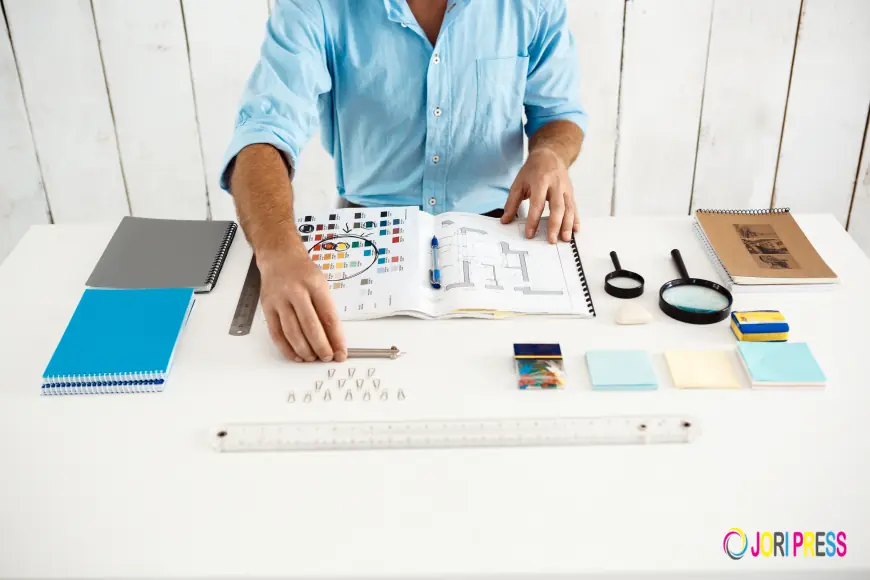
Turning an idea into a successful product involves far more than creativity alone. Businesses must balance aesthetics with engineering, usability with compliance, and innovation with cost control. This complex process often requires specialist expertise, structured methodologies and cross-disciplinary collaboration. That is where a Product Design Agency becomes invaluable.
A Product Design Agency works with organisations to transform concepts into functional, manufacturable and commercially viable products. From early-stage research to engineering development and production planning, these agencies provide the expertise needed to guide projects through every stage of the product lifecycle. This article explores the role of a Product Design Agency, how it operates, and why it is essential in today’s competitive market.
What Is a Product Design Agency
A Product Design Agency is a specialist consultancy that supports businesses in developing physical or connected products. Unlike an internal design team focused solely on one company’s portfolio, an agency typically works across multiple sectors and industries, offering a broad range of skills.
Its responsibilities often include:
- Market and user research
- Concept development and visual design
- 3D CAD modelling and engineering
- Prototyping and product testing
- Design for manufacture and assembly
- Compliance and regulatory considerations
- Collaboration with suppliers and manufacturers
The goal is not simply to design attractive products, but to ensure they perform effectively, can be manufactured efficiently and meet user expectations.
Why Businesses Work with a Product Design Agency
Access to Specialist Skills
Product development requires knowledge in areas such as materials science, mechanical engineering, ergonomics, manufacturing processes and digital modelling. Many organisations do not have all these capabilities in-house.
A Product Design Agency brings together industrial designers, engineers and technical specialists who collaborate to solve complex challenges. This multidisciplinary approach improves decision-making and reduces development risk.
Structured Development Process
A clear and structured process is essential to avoid delays and cost overruns. Agencies often use defined development pathways that guide projects from feasibility to production readiness.
This structured approach ensures:
- Early validation of ideas
- Controlled budgets
- Transparent milestones
- Reduced technical risk
Such clarity is particularly important for startups and growing businesses.
Fresh Perspective
An external agency can challenge assumptions and offer new ideas. This independent viewpoint encourages innovation and prevents internal bias from limiting creative solutions.
The Product Development Journey
A Product Design Agency typically follows a series of defined stages. While specific terminology may vary, the overall framework remains consistent.
Discovery and Research
The first stage involves understanding the problem the product aims to solve. This includes:
- Analysing the target audience
- Studying competitors
- Identifying technical constraints
- Exploring regulatory requirements
- Clarifying commercial objectives
User research is particularly important. Observing how people interact with existing products reveals insights that guide more effective design decisions.
Concept Generation
Once research is complete, designers explore multiple solutions. Sketching, brainstorming sessions and digital visualisations allow teams to examine different directions before selecting the most promising concept.
Concepts are evaluated against criteria such as:
- User benefit
- Technical feasibility
- Cost implications
- Sustainability
- Brand alignment
This stage balances creativity with practical thinking.
Engineering Development
After selecting a concept, engineers refine it using detailed 3D CAD modelling. Every component is analysed to ensure durability, safety and compatibility with manufacturing processes.
Key considerations include:
- Structural integrity
- Material selection
- Tolerances and assembly
- Component sourcing
- Cost modelling
Engineering development transforms an idea into a technically robust product.
Prototyping and Testing
Prototypes are essential for validating design decisions. Modern techniques such as additive manufacturing and CNC machining allow rapid creation of functional models.
Testing may involve:
- Ergonomic assessments
- Performance trials
- Stress and durability tests
- User feedback sessions
Iterative testing ensures the final product meets real-world expectations.
Preparing for Manufacture
Before full-scale production, the design must be optimised for manufacturing efficiency. This includes refining tooling, assembly methods and quality control processes.
Design for manufacture helps:
- Reduce waste
- Improve reliability
- Control production costs
- Ensure consistent quality
At this stage, collaboration with manufacturers becomes particularly important.
The Importance of User Centred Design
A key principle within any Product Design Agency is user-centred design. This approach focuses on understanding how people interact with products and designing solutions that meet genuine needs.
User-centred design considers:
- Ease of use
- Accessibility
- Safety
- Emotional appeal
- Practical functionality
By prioritising real-world behaviour rather than assumptions, agencies create products that integrate smoothly into daily life or professional environments.
Supporting Different Industries
A Product Design Agency may work across a range of sectors, each with its own challenges.
Healthcare and Medical Devices
Medical products must comply with strict regulatory standards. Agencies support risk management, usability engineering and documentation processes to ensure safety and compliance.
Consumer Products
Consumer goods require a balance of aesthetic appeal, durability and affordability. Agencies focus on design detail, materials and cost efficiency.
Industrial Equipment
Industrial tools demand robustness, ergonomics and reliability. Long-term durability and safety are central design priorities.
Smart and Connected Devices
Connected products combine hardware and software. Agencies often collaborate with software developers to integrate electronics, sensors and user interfaces seamlessly.
Sustainability and Responsible Design
Sustainability has become an essential aspect of modern product development. A Product Design Agency may contribute by:
- Selecting environmentally responsible materials
- Designing for recyclability
- Reducing material usage
- Improving energy efficiency
- Considering product lifespan and repairability
Sustainable design not only benefits the environment but can also reduce long-term costs and enhance brand credibility.
The Role of Advanced Technology
Technology has transformed the way products are designed and developed.
Digital Modelling and Simulation
Advanced CAD software allows engineers to simulate stress, heat transfer and motion before physical prototypes are built. This reduces errors and shortens development timelines.
Additive Manufacturing
3D printing enables rapid prototyping and complex geometries that traditional manufacturing methods may struggle to achieve.
Collaborative Digital Tools
Cloud-based platforms allow designers, engineers and manufacturers to collaborate efficiently, even when working remotely.
These technologies increase accuracy and efficiency throughout the design process.
Managing Risk in Product Development
Every product development project carries risk. Technical challenges, cost overruns and regulatory hurdles can delay or derail progress.
A Product Design Agency helps manage risk by:
- Conducting early feasibility assessments
- Using iterative testing
- Maintaining clear documentation
- Planning realistic timelines
- Aligning design decisions with manufacturing constraints
Structured risk management reduces uncertainty and protects investment.
Intellectual Property Awareness
Protecting innovation is an important consideration during product development. While legal specialists handle formal registrations, agencies often collaborate with intellectual property professionals to ensure designs are documented appropriately and do not infringe on existing patents.
Early awareness of intellectual property considerations strengthens commercial positioning.
Benefits for Startups and Established Businesses
Startups
For startups, working with a Product Design Agency can provide:
- Access to high-level expertise without permanent hires
- A structured pathway to market
- Credibility when seeking investment
- Reduced technical uncertainty
Established Organisations
For larger businesses, agencies can:
- Support innovation projects
- Provide additional capacity
- Offer fresh creative thinking
- Deliver specialist knowledge
In both cases, agencies function as collaborative partners rather than simply service providers.
Choosing the Right Product Design Agency
When selecting a Product Design Agency, consider:
- Sector experience
- Technical capabilities
- Portfolio evidence
- Communication style
- Transparency in processes
Clear alignment of expectations and objectives is essential for a successful partnership.
Conclusion
A Product Design Agency plays a vital role in turning ideas into practical, manufacturable and user-focused products. Through research, concept development, engineering refinement and production planning, agencies guide businesses through the complexities of product development.
In a competitive marketplace, success depends on more than innovation alone. It requires careful planning, technical rigour, sustainability awareness and a strong understanding of user needs. By combining these elements, a Product Design Agency helps organisations bring thoughtful, reliable and commercially viable products to market.
For businesses seeking to innovate responsibly and efficiently, the expertise of a Product Design Agency provides both structure and creative insight, ensuring that ideas move beyond sketches and become real-world solutions.
What's Your Reaction?
 Like
1
Like
1
 Dislike
0
Dislike
0
 Love
0
Love
0
 Funny
0
Funny
0
 Angry
0
Angry
0
 Sad
0
Sad
0
 Wow
0
Wow
0