





































Exploring the Wide Range of Fastener Types in Modern Manufacturing
Modern manufacturing depends on precision, efficiency, and durability. While advanced machinery and innovative materials often receive the spotlight, one essential component

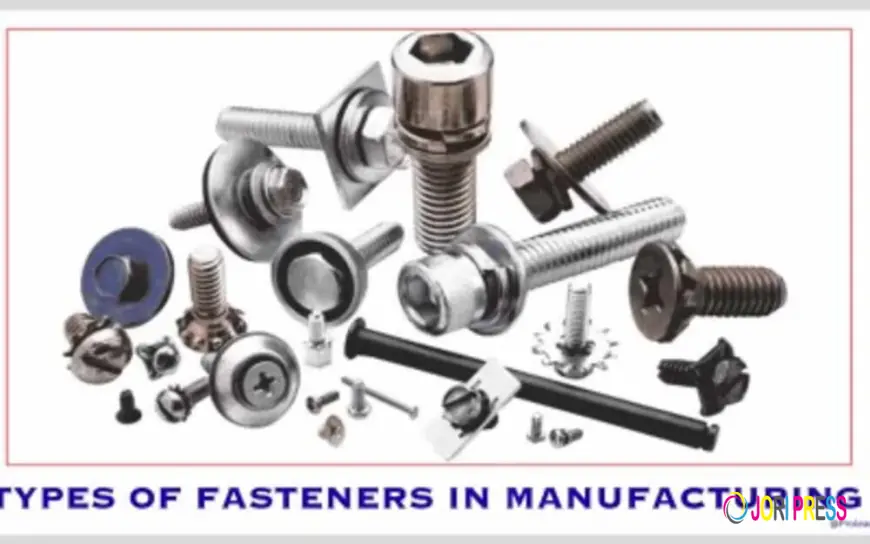
Modern manufacturing depends on precision, efficiency, and durability. While advanced machinery and innovative materials often receive the spotlight, one essential component quietly holds everything together: fasteners. From assembling automobiles and aircraft to constructing buildings and manufacturing consumer electronics, fasteners play a critical role in creating secure, long-lasting connections.
With countless designs, materials, and performance grades available, selecting the right fastener is more important than ever. Understanding the wide range of fastener types can help manufacturers improve product quality, increase operational efficiency, and reduce maintenance costs.
What Are Fasteners?
Fasteners are mechanical devices used to join two or more components together. Unlike welding or adhesives, many fasteners allow for disassembly without damaging the connected parts, making repairs, upgrades, and maintenance much easier.
Modern fasteners are engineered to withstand various environmental conditions, including high temperatures, heavy loads, corrosion, and constant vibration. They are commonly manufactured from materials such as carbon steel, stainless steel, brass, aluminum, titanium, and specialized alloys.
Why Fasteners Matter in Manufacturing
Every manufacturing project requires reliable connections. Even the most advanced equipment can fail if the wrong fastener is selected.
Proper fastener selection provides several important benefits:
- Improved structural integrity
- Enhanced safety and reliability
- Easier maintenance and replacement
- Better resistance to environmental conditions
- Reduced downtime and repair costs
- Longer service life for assembled products
Choosing the correct fastener also helps manufacturers comply with industry standards and quality requirements.
Common Types of Fasteners
1. Bolts
Bolts/ are among the strongest and most widely used fasteners in industrial manufacturing. They typically work together with nuts to create secure joints capable of handling significant loads.
Common bolt varieties include:
* Hex bolts
* Carriage bolts
* Flange bolts
* Anchor bolts
* Eye bolts
* Structural bolts
Bolts are commonly found in steel structures, machinery, bridges, heavy equipment, and industrial facilities.
2. Screws
Unlike bolts, screws usually create their own threads or engage directly with threaded holes. They are ideal for applications requiring quick installation and reliable holding power.
Popular screw types include:
* Wood screws
* Machine screws
* Self-tapping screws
* Drywall screws
* Sheet metal screws
* Concrete screws
Screws are used extensively in construction, furniture manufacturing, electronics, HVAC systems, and automotive assembly.
3. Nuts
Nuts are internally threaded fasteners that work with bolts to produce secure mechanical joints.
Some common nut designs include:
* Hex nuts
* Lock nuts
* Wing nuts
* Cap nuts
* Coupling nuts
* Flange nuts
Locking nuts are particularly valuable in machinery exposed to vibration because they reduce the risk of loosening during operation.
4. Washers
Although often overlooked, washers play an important role in improving joint performance.
Washers help:
* Distribute clamping force
* Prevent surface damage
* Reduce loosening caused by vibration
* Improve sealing performance
* Protect painted or coated surfaces
Common washer styles include flat washers, lock washers, spring washers, and sealing washers.
5. Rivets
Rivets create permanent mechanical joints that cannot easily be removed without destroying the fastener.
Common rivet types include:
* Solid rivets
* Blind rivets
* Tubular rivets
* Structural rivets
Because of their strength and vibration resistance, rivets remain popular in aerospace, transportation, shipbuilding, and metal fabrication.
6. Pins
Pins are specialized fasteners used for alignment, positioning, or retaining machine components.
Examples include:
* Dowel pins
* Cotter pins
* Clevis pins
* Spring pins
* Taper pins
These fasteners are frequently used in precision machinery and industrial equipment.
Specialty Fasteners for Modern Industries
As manufacturing technologies advance, specialized fasteners continue to evolve for demanding applications.
Threaded Inserts
Threaded inserts create durable internal threads in softer materials such as aluminum, plastic, or composite materials.
Captive Fasteners
Captive fasteners remain attached to equipment even after loosening, reducing the risk of lost hardware during maintenance.
U-Bolts
Designed to secure pipes and tubing, U-bolts are widely used in plumbing, automotive suspension systems, and industrial piping.
Studs
Studs provide threaded connections without traditional bolt heads, making them ideal for engine assemblies, flanges, and pressure vessels.
Choosing the Right Fastener Material
Material selection greatly influences fastener performance.
Carbon Steel
Carbon steel offers excellent strength at an economical cost, making it suitable for general industrial applications.
Stainless Steel
Stainless steel provides exceptional corrosion resistance, making it ideal for marine environments, food processing facilities, laboratories, and outdoor installations.
Brass
Brass fasteners offer excellent corrosion resistance and attractive appearance while remaining non-magnetic.
Aluminum
Lightweight aluminum fasteners are commonly used in aerospace and transportation industries where weight reduction is important.
Titanium
Titanium combines outstanding strength with extremely low weight and excellent corrosion resistance, making it suitable for aerospace, medical devices, and high-performance engineering.
Factors to Consider When Selecting Fasteners
Choosing the proper fastener involves much more than selecting the correct size.
Important considerations include:
Load Requirements
Determine whether the joint will experience tensile, shear, or dynamic loading.
Environmental Conditions
Exposure to moisture, chemicals, UV radiation, or saltwater may require corrosion-resistant materials.
Temperature
High-temperature applications often require specialized alloys capable of maintaining strength under extreme heat.
Vibration
Machinery subjected to constant movement benefits from locking fasteners or vibration-resistant designs.
Installation Method
Some applications require permanent fastening, while others demand repeated disassembly for maintenance.
Fastener Coatings and Surface Treatments
Protective coatings improve both appearance and durability.
Popular finishes include:
* Zinc plating
* Hot-dip galvanizing
* Black oxide
* Nickel plating
* Chrome plating
* Phosphate coating
Proper coatings significantly extend fastener life, especially in harsh industrial environments.
The Future of Fasteners in Manufacturing
Manufacturing continues to embrace automation, robotics, and smart production systems. Fastener technology is evolving alongside these advancements.
Today's innovations include lightweight aerospace fasteners, corrosion-resistant composite fasteners, precision-engineered locking systems, and high-performance coatings that increase durability while reducing maintenance requirements.
Sustainability is also driving the industry toward recyclable materials, environmentally friendly coatings, and manufacturing processes that minimize waste without compromising performance.
Conclusion
Fasteners are fundamental components that support virtually every modern manufacturing process. From simple screws and bolts to advanced specialty fasteners, each type serves a unique purpose in creating safe, durable, and efficient assemblies.
Understanding the characteristics, materials, and applications of different fastener types allows engineers, manufacturers, and maintenance professionals to make informed decisions that improve product quality and operational reliability. As industries continue to innovate, fastener technology will remain an essential part of building stronger, safer, and more efficient products for the future.
What's Your Reaction?
 Like
0
Like
0
 Dislike
0
Dislike
0
 Love
0
Love
0
 Funny
0
Funny
0
 Angry
0
Angry
0
 Sad
0
Sad
0
 Wow
0
Wow
0