






































Bombay High Court Tells Salman Khan's Neighbour to Delete Posts: What the Panvel Farmhouse Case Is Really About
Bombay High Court Tells Salman Khan's Neighbour to Delete Posts: What the Panvel Farmhouse Case Is Really About

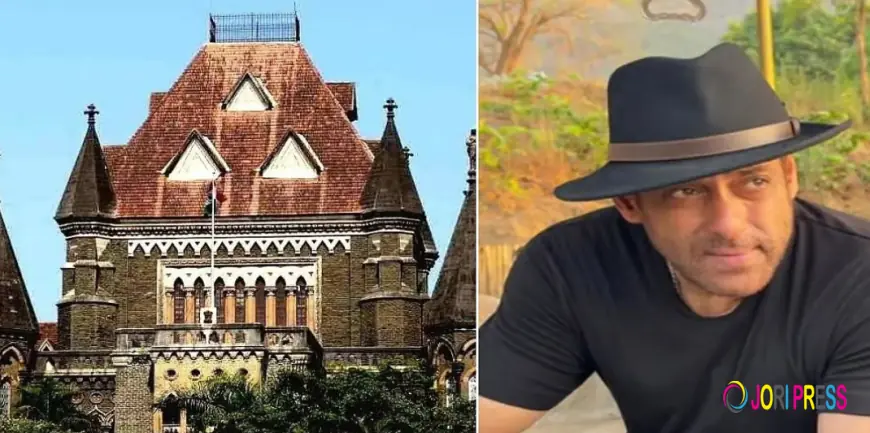
A property dispute between two neighbours sounds ordinary enough until one of them is Salman Khan, the other is a retired NRI living in the United States, and the fight has spilled across YouTube, Twitter, and the Indian court system for years.
The short answer: not as much as most people assume.
What the Salman Khan Panvel Property Dispute Is Actually About
The roots of this case go back decades. Ketan Kakkad has claimed that in or around 1995, he and his wife acquired a plot of land near Salman Khan's farmhouse for constructing a house and ashram. Kakkad also claimed that the plot of land allotted to him was allegedly cancelled by the Maharashtra forest department at the behest and in collusion with Salman, and that entry and exit to his plot of land were illegally acquired and blocked by constructing a gate.
That is his side. Salman Khan's side is different. Khan says Kakkad's social media posts are defamatory and hurt his reputation. He also says some content is communally provocative.
Kakkad alleged that Khan violated environmental norms and blocked access to his property. Kakkad says he approached authorities on this issue and that no action was taken despite this. He subsequently posted tweets and participated in YouTube interviews to talk about the dispute.
What Happened in Court This Week
A single-judge bench of Justice Sharmila Deshmukh was hearing an appeal filed by Khan against a civil court order refusing to grant him interim relief in a defamation suit he filed against his neighbour Ketan Kakkad over tweets and YouTube videos concerning the property dispute.
The civil court had refused to grant Salman Khan the relief he asked for. He then moved the Bombay High Court. This is now the appeal stage.
Justice Deshmukh questioned the need to upload such content online and asked why people avoid approaching proper authorities. Her questions were aimed at both sides. Justice Deshmukh said that having social media access is not enough reason to upload videos about any person. She stressed this applies to common citizens and celebrities alike.
The judge indicated that parties should refrain from litigating their disputes on social media and instead pursue remedies before appropriate legal forums. She also suggested that Kakkad consider deleting tweets and videos relating to the dispute. The bench expressed disapproval of the continued circulation of such content and underscored that judicial time ought not to be spent on examining whether such videos should remain online
Why This Case Matters Beyond Bollywood
This is where hings get genuinely important for anyone who has ever posted about a personal dispute on the internet, which is a lot of people.
The Bombay High Court social media defamation observation is not a new legal principle. But it is a clear, recent restatement from a sitting judge of what Indian law has long held: that the right to post online is not the right to defame. The platform does not change the liability.
Khan had dragged in Google, YouTube, Facebook, Twitter, and other social platform content creators as parties in his defamation suit, also seeking a gag order to restrain his neighbour from posting objectionable statements till the outcome of the suit. The fact that tech platforms are named as parties signals how seriously Indian courts are treating the distribution infrastructure, not just the person who originally posted the content.
The court was also informed that the content in question had garnered significant viewership. That reach is part of why Salman Khan says the damage to his reputation is real and ongoing
The Legal Timeline That Led Here
The case has a layered history. A Mumbai city civil court first refused to grant the requested interim relief. Khan moved the Sessions Court, which also refused to pass a restraining order. He then filed an appeal in the Bombay High Court against the Sessions Court's earlier order. The High Court has now heard the matter and suggested the posts be deleted while the matter continues.
Sessions Court had previously noted that Kakkad had placed on record evidence including complaints and show-cause notices to Salman about alleged encroachments in his Panvel property, in the public interest as a whistleblower. That whistleblower framing is why this case is not simple, and why courts at multiple levels have declined to simply hand Salman Khan what he asked for.
The tension here is legitimate. Environmental violations, if real, are matters of genuine public interest. But the court's point stands: the appropriate forum for such claims is a regulatory body or a court, not a social media feed.
What's Your Reaction?
 Like
0
Like
0
 Dislike
0
Dislike
0
 Love
0
Love
0
 Funny
0
Funny
0
 Angry
0
Angry
0
 Sad
0
Sad
0
 Wow
0
Wow
0